F1 Pit Stop Betting: Markets Around Strategy Calls and Tyre Windows
 Available in US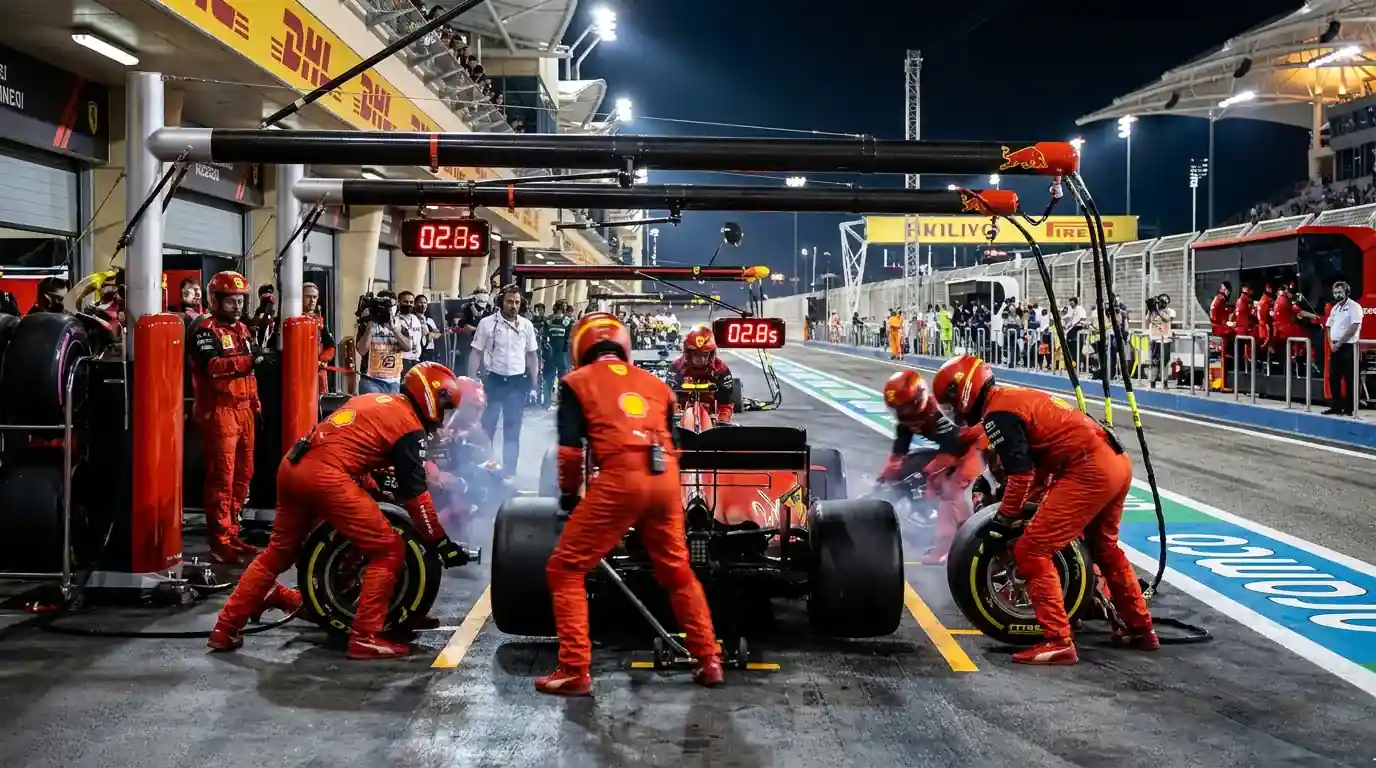
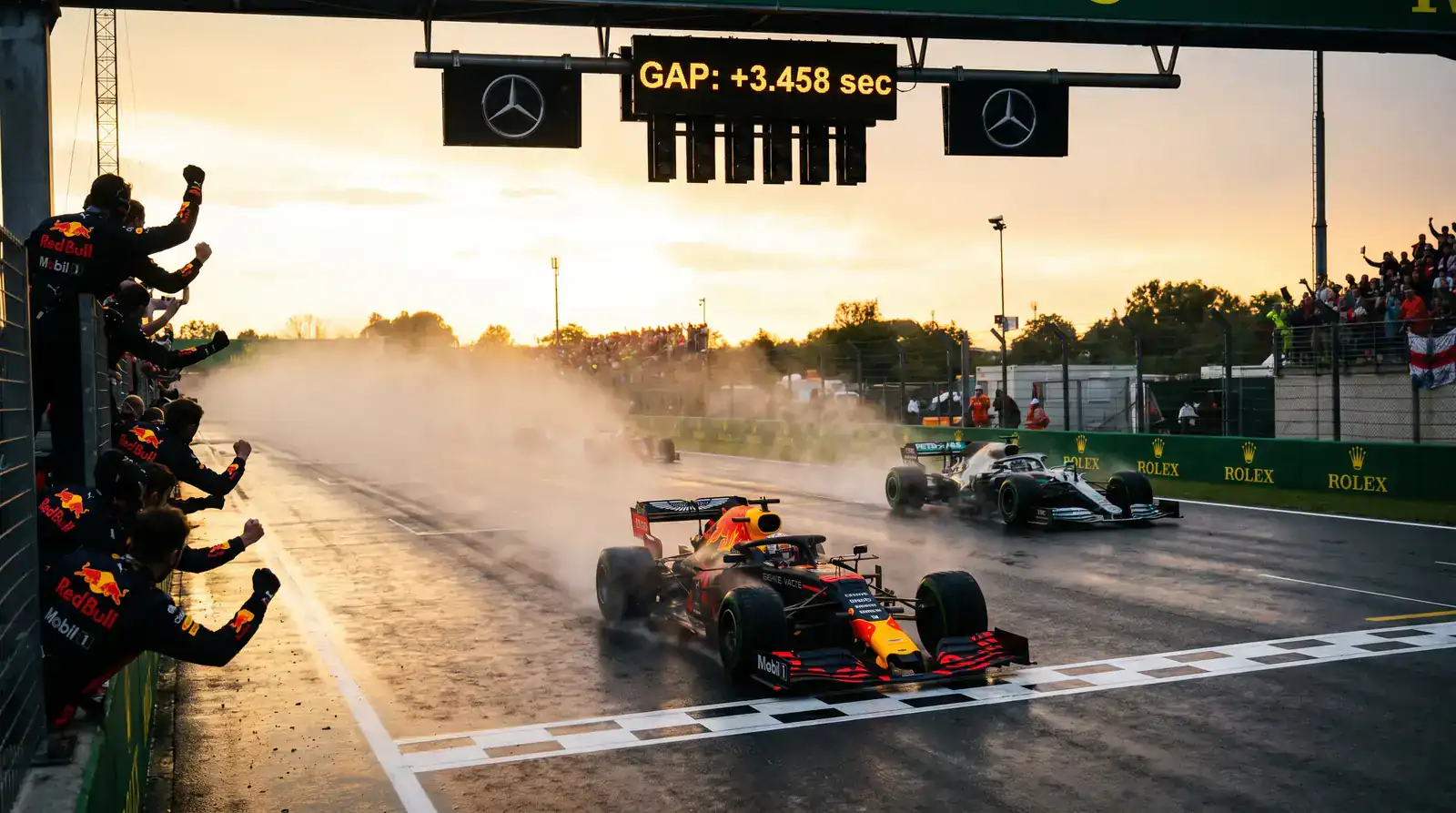
Hungary 2019. Mercedes pitted Lewis Hamilton twice in a race where every pre-race model said one stop was optimal. The second stop worked – he won the race on fresher tyres. I’d placed a bet on a one-stop race for Hamilton and lost, but I gained something more valuable: the understanding that pit stop betting rewards those who can think beyond the obvious strategy and anticipate the aggressive calls that teams make when the data doesn’t fit the template.
Pit stop betting covers a small but growing set of markets centred on the strategic decisions teams make during a Grand Prix. The standard offerings include first driver to pit, total number of pit stops per driver or per race, and fastest pit stop of the race. These markets are deeply tied to tyre strategy, which is itself a product of the real-time data flowing from each car – roughly 700 data points per second per car that inform the split-second decisions engineers make about when and whether to bring their driver in.
Available Pit Stop Markets: First-to-Pit, Total Stops, Fastest Pit
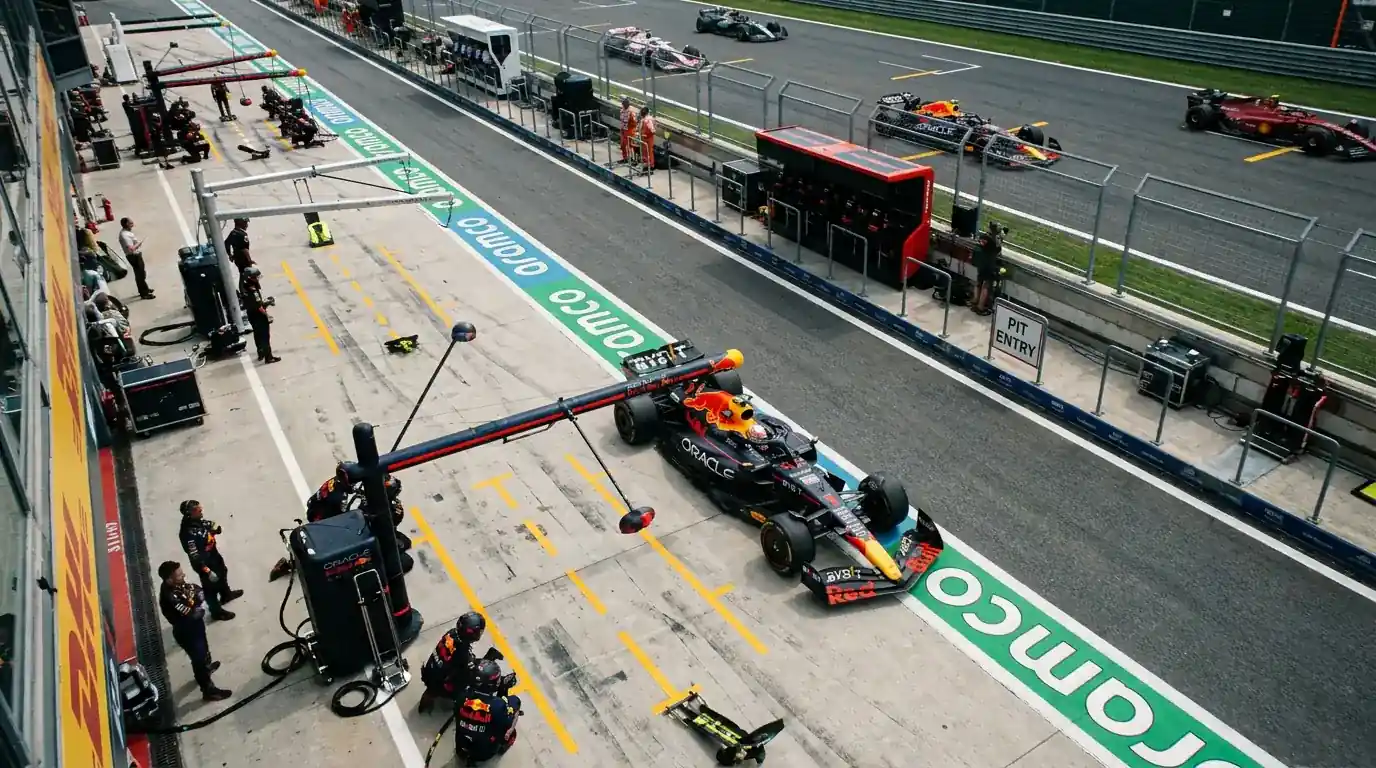
The first-to-pit market is the most widely offered pit stop bet at UK bookmakers. You’re backing which driver will make the first scheduled pit stop of the race. This market excludes first-lap incidents or immediate mechanical issues that force a driver into the pits before the strategic window opens. Settlement is based on the first driver to enter the pit lane for a planned tyre change, which usually occurs between laps 12 and 20 at most circuits.
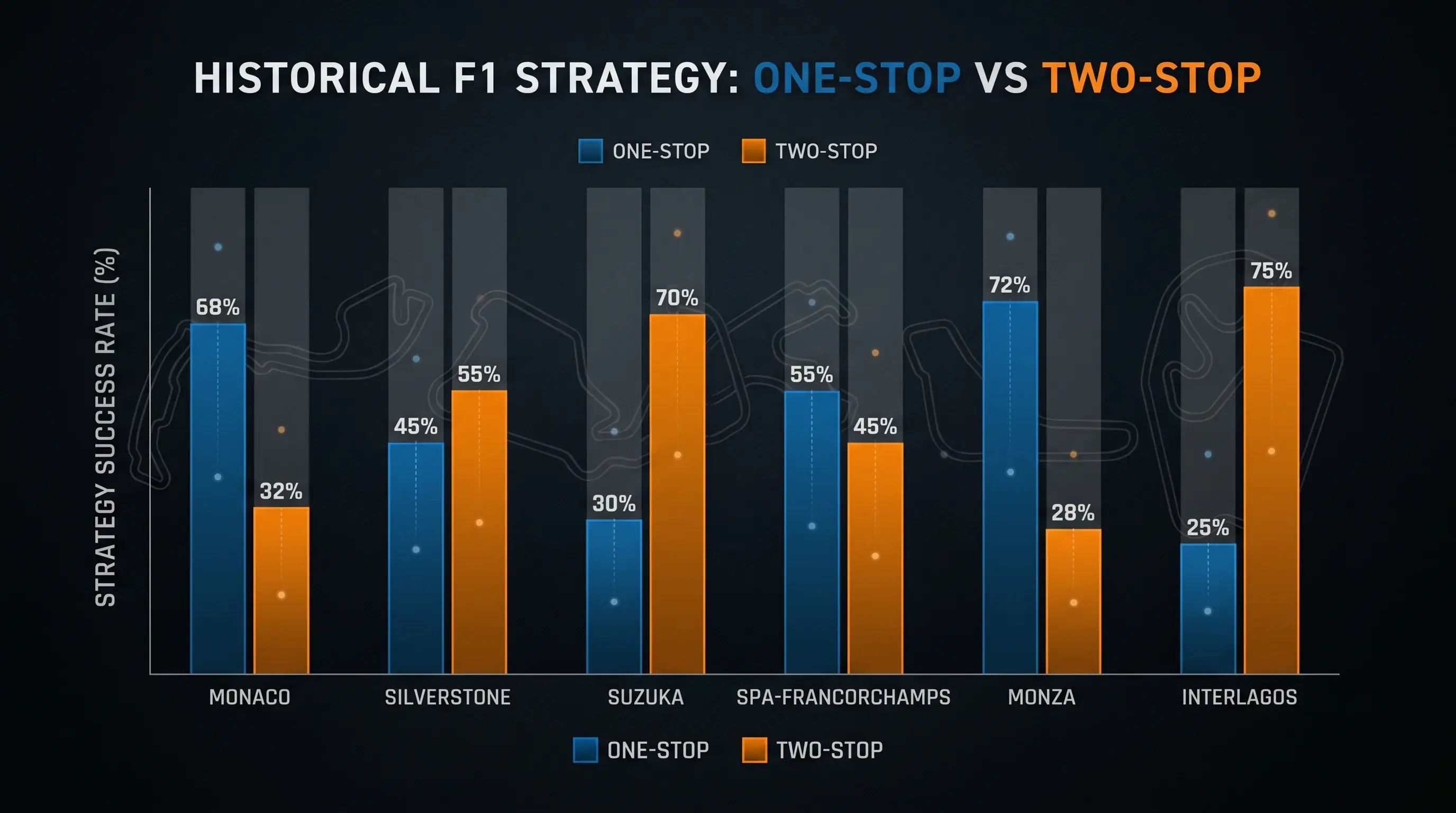
Total stops markets – over/under on the number of pit stops for a named driver or for the field – require understanding of the tyre degradation characteristics at each circuit. Some tracks are notorious one-stop races: circuits with low tyre stress, mild temperatures, and a high time loss in the pit lane (long pit lane entries and exits) incentivise teams to nurse their tyres and stop once. Others almost mandate two stops because the tyre degradation is too severe to sustain pace over half the race distance. I track the historical one-stop vs two-stop percentage at each circuit and compare it against the bookmaker’s over/under line to identify value.
Fastest pit stop markets are a pure mechanical execution bet. F1 pit stops are now routinely completed in under two seconds – the world record sits at 1.80 seconds – and the margins between teams are measured in hundredths of a second. The fastest pit stop is determined by the stationary time (from wheels stopping to wheels moving) and is a function of crew skill and equipment rather than driver or car performance. I back teams with consistently fast pit stop records rather than trying to predict which specific stop will be fastest. Historically, Red Bull and McLaren have dominated the fastest pit stop awards, but crew turnover and equipment changes mean the hierarchy shifts between seasons.
Reading Tyre Degradation and Strategy Calls to Predict Pit Timing
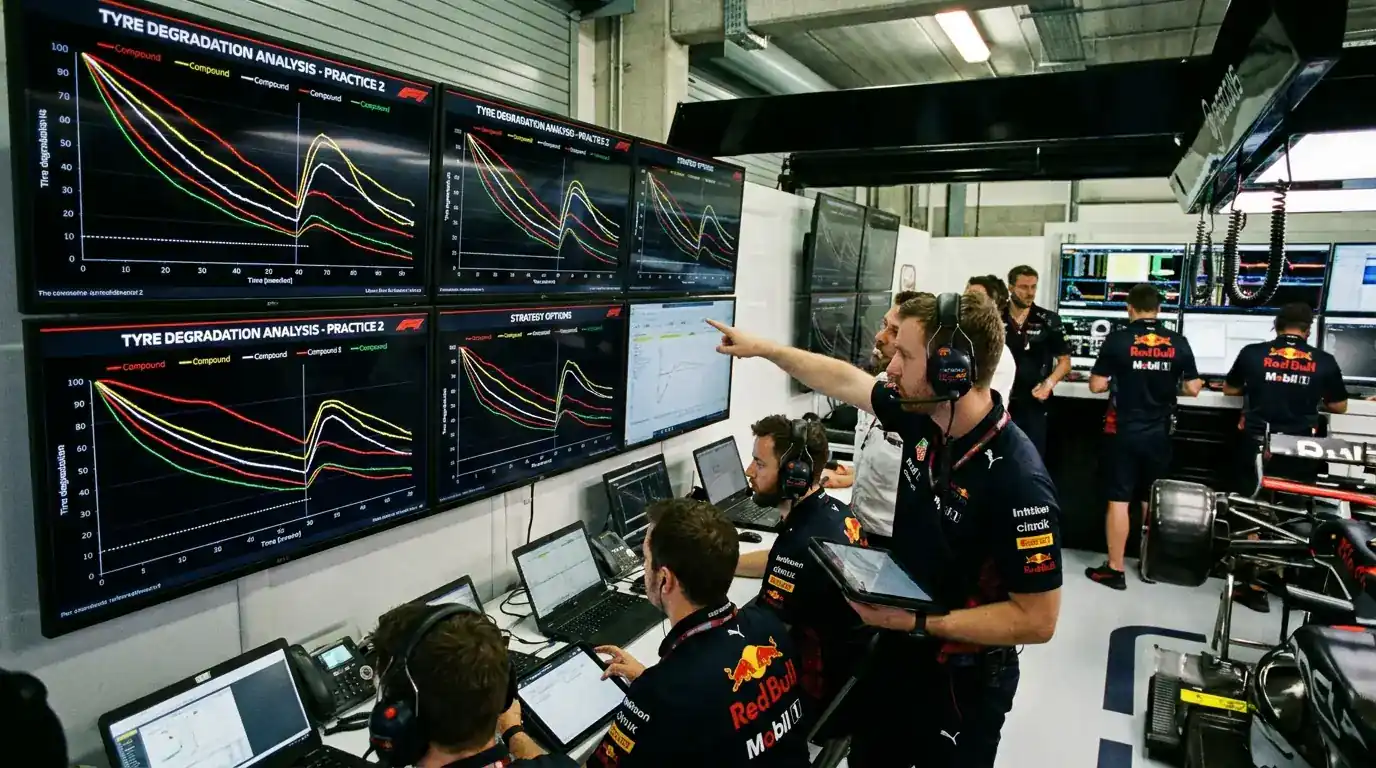
The live audiences for F1 practice sessions grew by 24.9% year-on-year in 2025, and that’s no coincidence – practice data is where the pit strategy picture forms. Friday’s FP2 session typically includes long-run stints that simulate race conditions: drivers run consecutive laps on the same tyre compound to measure how quickly the lap times degrade. The rate of degradation – expressed as seconds per lap lost – is the single most important input for predicting pit timing and stop count.
A high-degradation circuit (above 0.1 seconds per lap lost on the medium compound) pushes teams toward two-stop strategies. A low-degradation circuit (below 0.05 seconds per lap) makes one-stop the default. These thresholds are well known within the sport, and the pre-race strategy projections published by data providers like those partnering with F1 give a baseline expectation. Where I find value is in the gap between the Friday degradation data and the bookmaker’s Saturday pricing: if Friday data shows high degradation but the bookmaker’s over/under on stops still reflects a one-stop expectation (perhaps anchored to historical patterns at that circuit), the “over” on total stops can carry significant value.
Temperature is a confounding variable. Track surface temperatures above 45 degrees Celsius accelerate tyre degradation beyond what Friday practice data might suggest if the race takes place at a different time of day. I check the forecast race-time temperature and compare it to the FP2 conditions. If Sunday is expected to be ten degrees hotter than Friday afternoon, the degradation will be worse, and stop counts will likely increase.
How Pit Stops Move In-Play Odds in Real Time
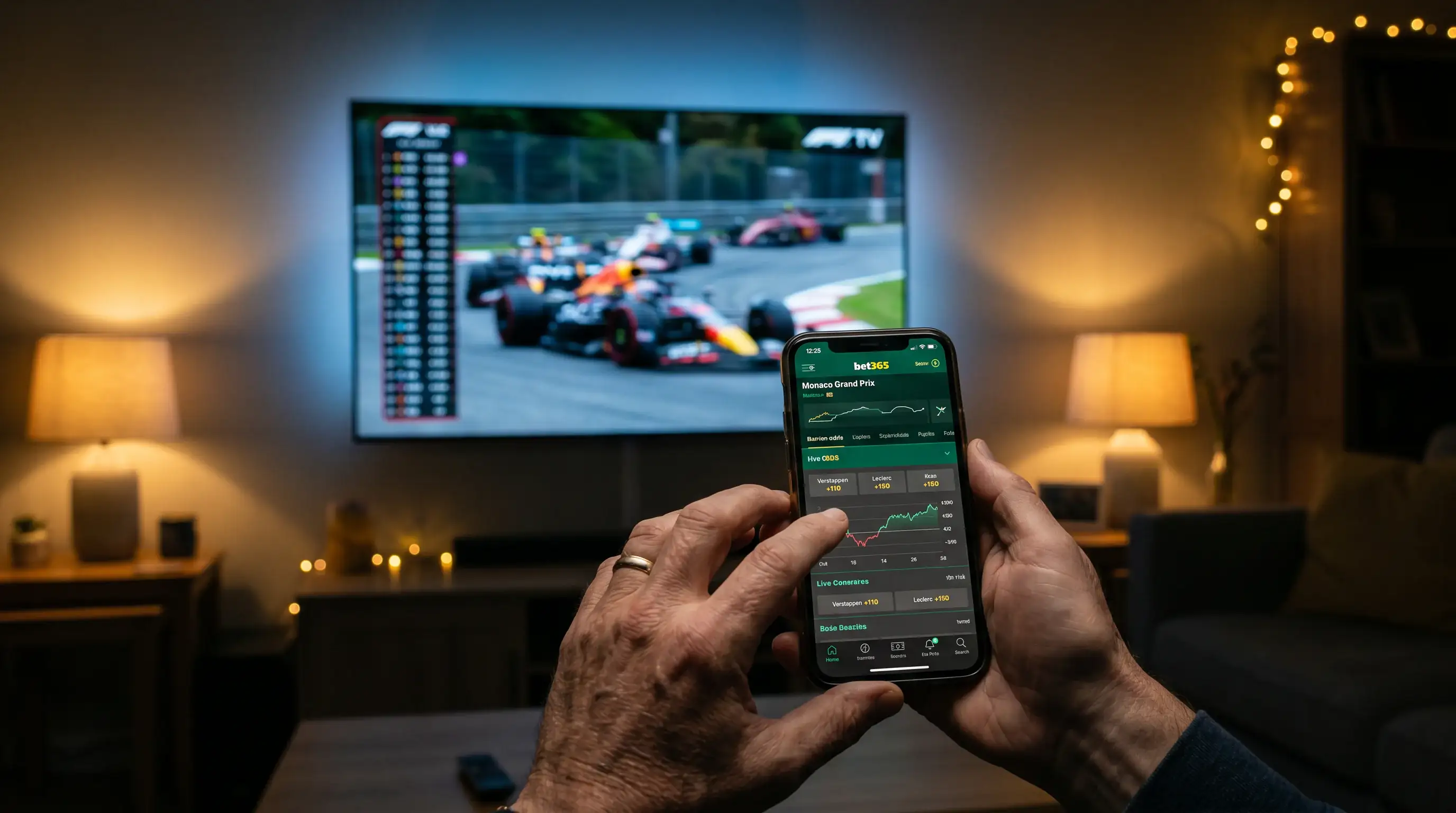
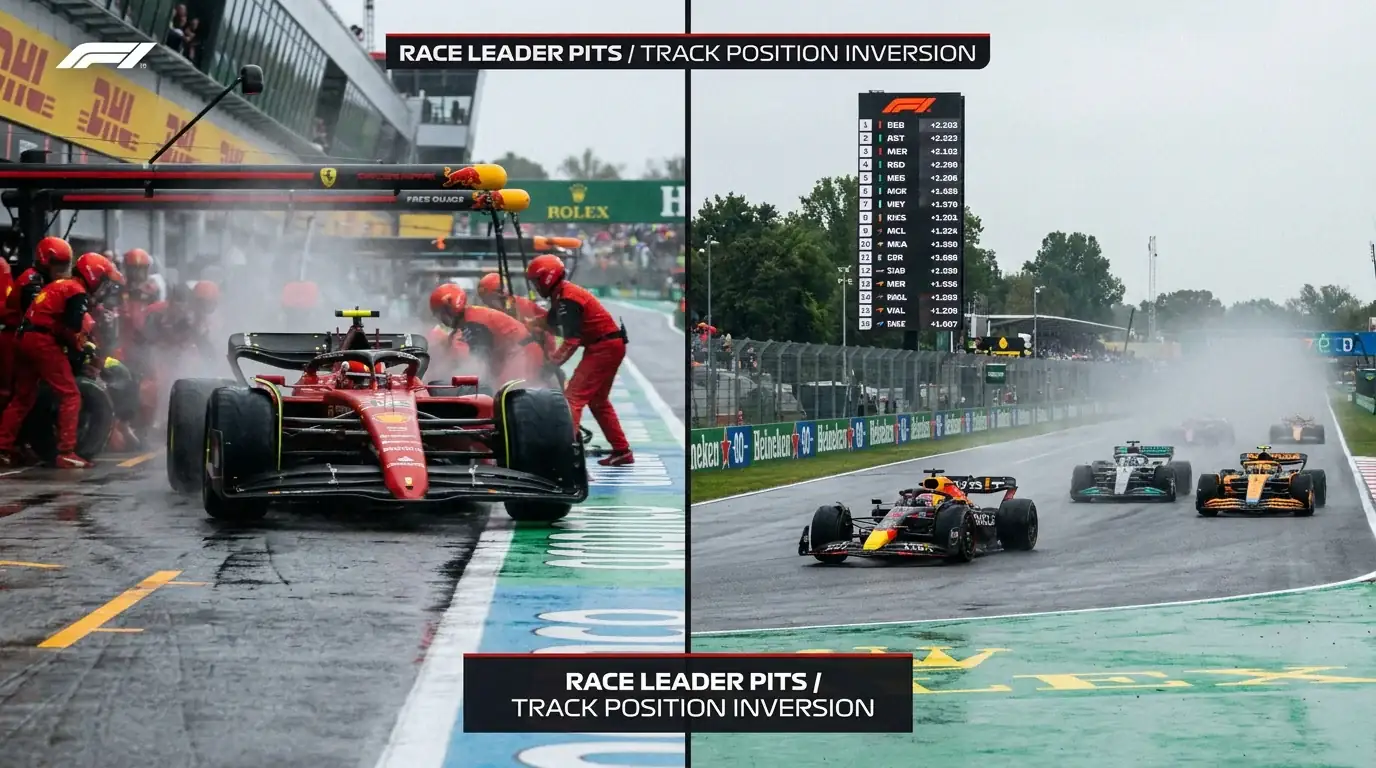
The moment a leading driver dives into the pit lane during a race, the in-play odds across every market recalculate instantly. A race leader’s pit stop creates a temporary inversion of track position – the leader drops to mid-pack or lower while the car that inherits the lead (the driver who hasn’t pitted yet) suddenly shows as the in-play favourite, even though they’ll pit later and lose that advantage. This produces brief windows where the in-play odds on the original leader drift to prices that don’t reflect their true winning probability.
I call these “pit stop drift windows” and they’re some of the most consistent value opportunities in F1 live betting. The pattern is predictable: leader pits, their in-play odds lengthen by 15-25% for 30-60 seconds, then snap back once the bookmaker’s algorithm recalculates based on the undercut or overcut outcome. If you believe the leader’s pit stop was strategically sound and they’ll emerge in a competitive position, backing them during that 30-second drift window captures value that the market surrenders through latency.
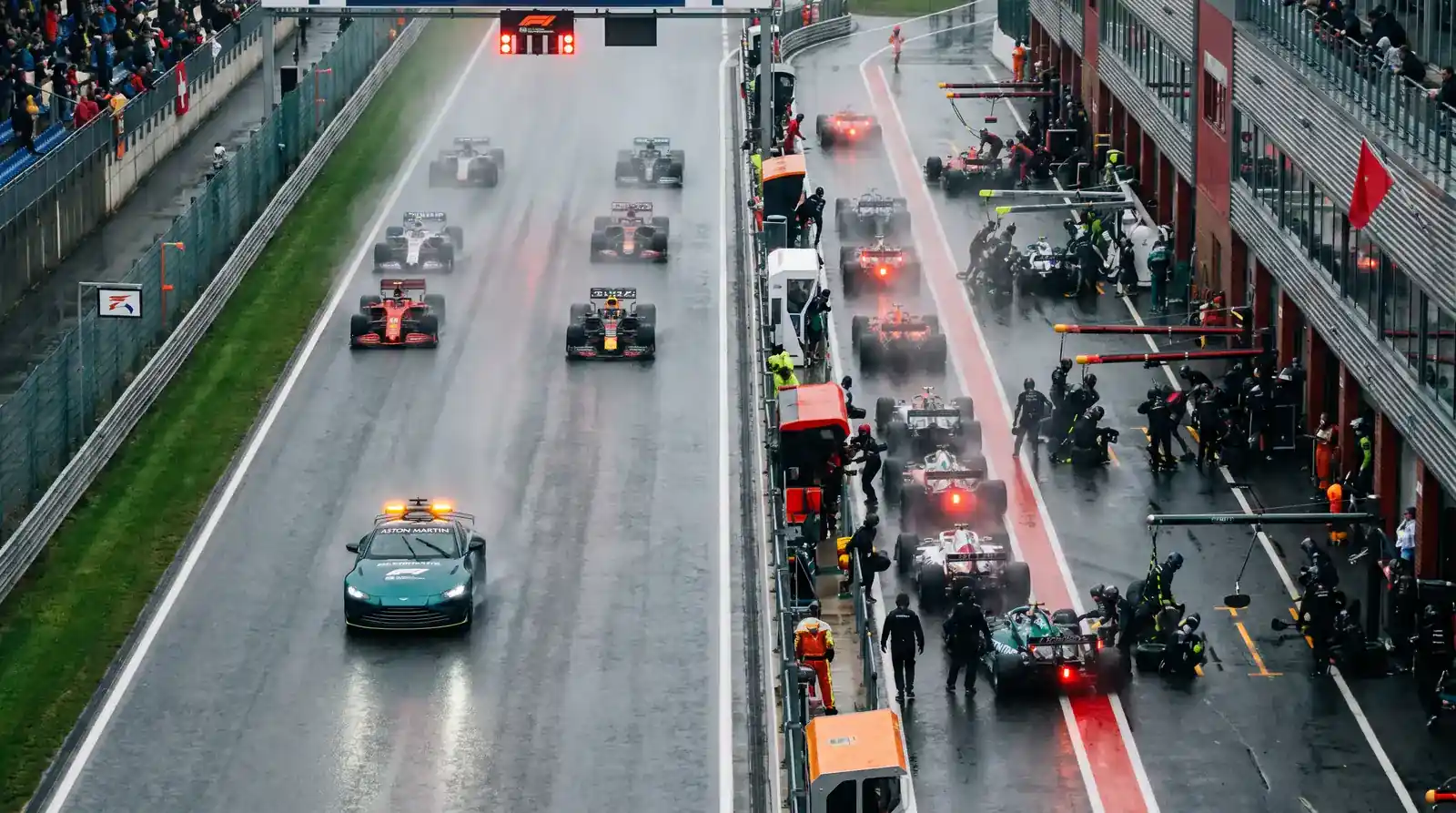
Safety car periods interact with pit stop strategy in ways that create cascading in-play odds movements. A safety car deployment offers a “free” pit stop – the time lost in the pit lane is greatly reduced because the field is running slowly. Teams rush to pit under the safety car, which changes the strategic picture for everyone. The live betting dynamics during these moments are chaotic, with odds swinging wildly as the market digests who pitted, who didn’t, and what the implications are for the remaining race distance. Punters who understand the strategic implications of a safety car pit stop have a window of one to two minutes where their analysis advantage is largest, because the bookmaker’s algorithm is processing the same information but without the contextual understanding of which strategic outcome favours which driver.
Can I bet on which driver pits first in an F1 race?
Yes. The first-to-pit market is available at most major UK bookmakers for F1 races. Settlement is based on the first planned pit stop for a tyre change, excluding any unscheduled stops caused by first-lap incidents or immediate mechanical issues.
How is the fastest pit stop measured for betting settlement?
Fastest pit stop is measured by stationary time – the interval from the car stopping in the pit box to the car being released. This is recorded by the FIA’s official timing system. Settlement is based on the fastest stationary time across all pit stops during the race, regardless of which lap or which strategic phase the stop occurred in.
Do virtual safety car periods change pit stop betting odds?
Yes. A virtual safety car reduces the time penalty for making a pit stop, making it more likely that drivers will pit during the VSC period. This increases the total number of stops in the race and shifts the timing of the first stop. In-play odds for pit stop markets adjust rapidly when a VSC is deployed.
Created by the ”f1 Betting” editorial team.