F1 Constructors’ Championship Betting: Team Odds and the Two-Driver Dynamic
 Available in US
In 2021, Mercedes won the Constructors’ Championship while Max Verstappen took the Drivers’ title in a Red Bull. That single season should have shattered the assumption that constructors’ betting is just a mirror of the drivers’ market – but most punters still treat them as interchangeable. They aren’t. The constructors’ championship is a fundamentally different proposition because it depends on two drivers, not one, and the interaction between a team’s driver pairing creates dynamics that the drivers’ market doesn’t capture.
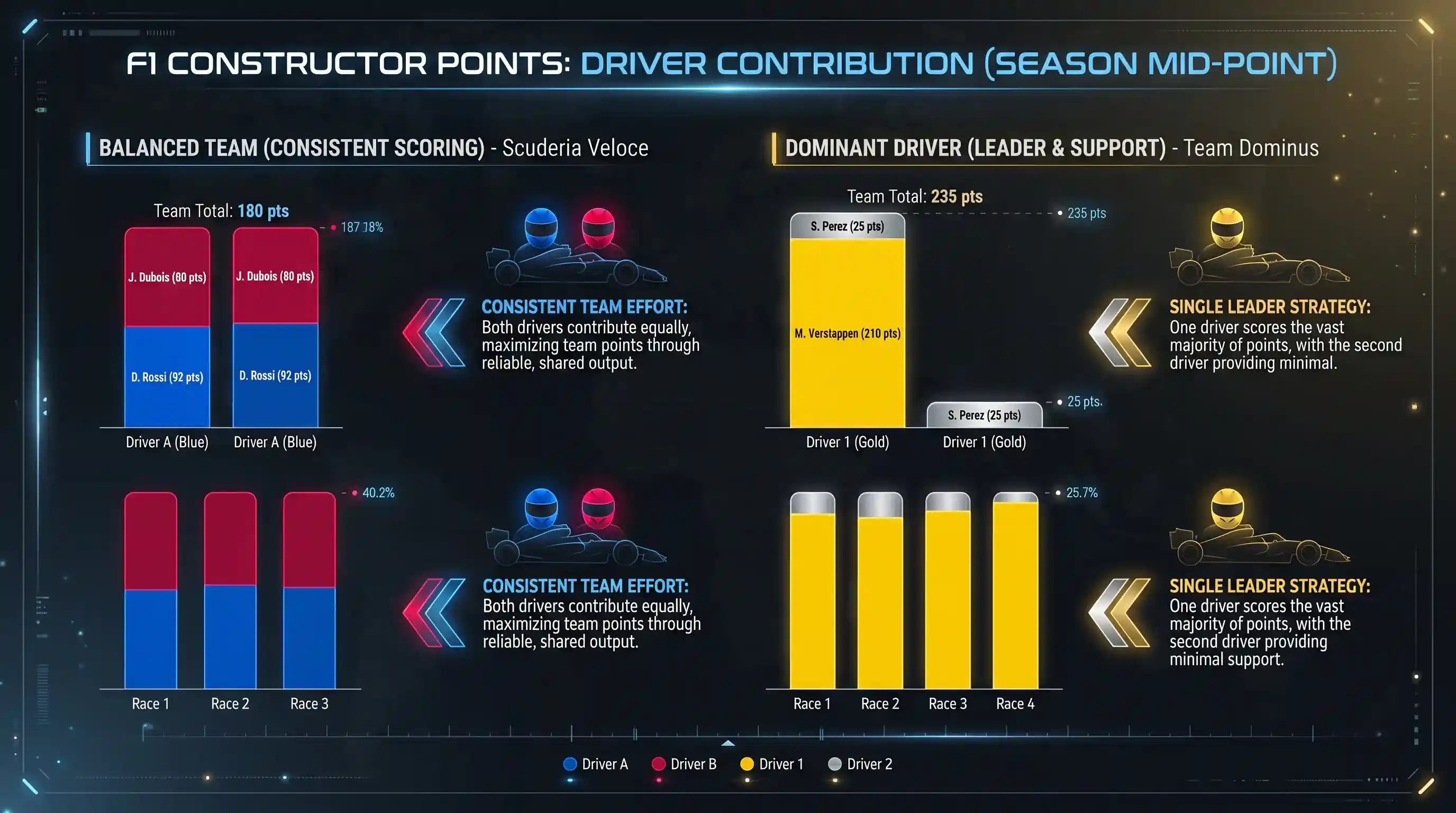
The constructors’ championship awards the title to the team that accumulates the most combined points from both drivers across the season. Every race is worth double the opportunity: if both drivers score heavily, the points pile up fast. If one driver consistently underperforms or retires, the team’s championship position suffers regardless of how dominant their lead driver might be. This two-driver dynamic is the core analytical challenge – and the core value opportunity – in constructors’ betting.

Why Constructors’ Odds Are Not Just Doubled Drivers’ Odds
The global F1 fanbase reached 827 million in 2025, and most of those fans follow individual drivers more closely than teams. That driver-centric attention means the constructors’ market attracts less betting volume and less analytical scrutiny, which translates into less efficient pricing. The constructors’ outright market is one of the most underbet and underanalysed markets in F1.
Here’s the mathematical reality. If a team’s lead driver has a 40% chance of winning the drivers’ title, that doesn’t mean the team has a 40% chance of winning the constructors’. The constructors’ probability depends on the combined output of both drivers relative to rival teams’ combined output. A team with two consistently strong drivers – both finishing in the top five most weekends – can have a higher constructors’ probability than a team with one dominant driver and one who struggles to score points, even if the dominant driver has the higher individual championship probability.
The pricing gap appears when one team has a clear number-one driver who attracts most of the betting volume in the drivers’ market, inflating their team’s perceived strength. Meanwhile, a rival team with two evenly-matched drivers – both finishing fourth to sixth every weekend – accumulates more constructors’ points but less media attention. I look for teams where the “second driver contribution” is systematically undervalued by the market. The delta between a team’s constructors’ price and what the combined finishing positions of both drivers would mathematically justify is often the widest edge available in outright F1 betting.
Development Upgrades and How They Shift Constructor Markets Mid-Season
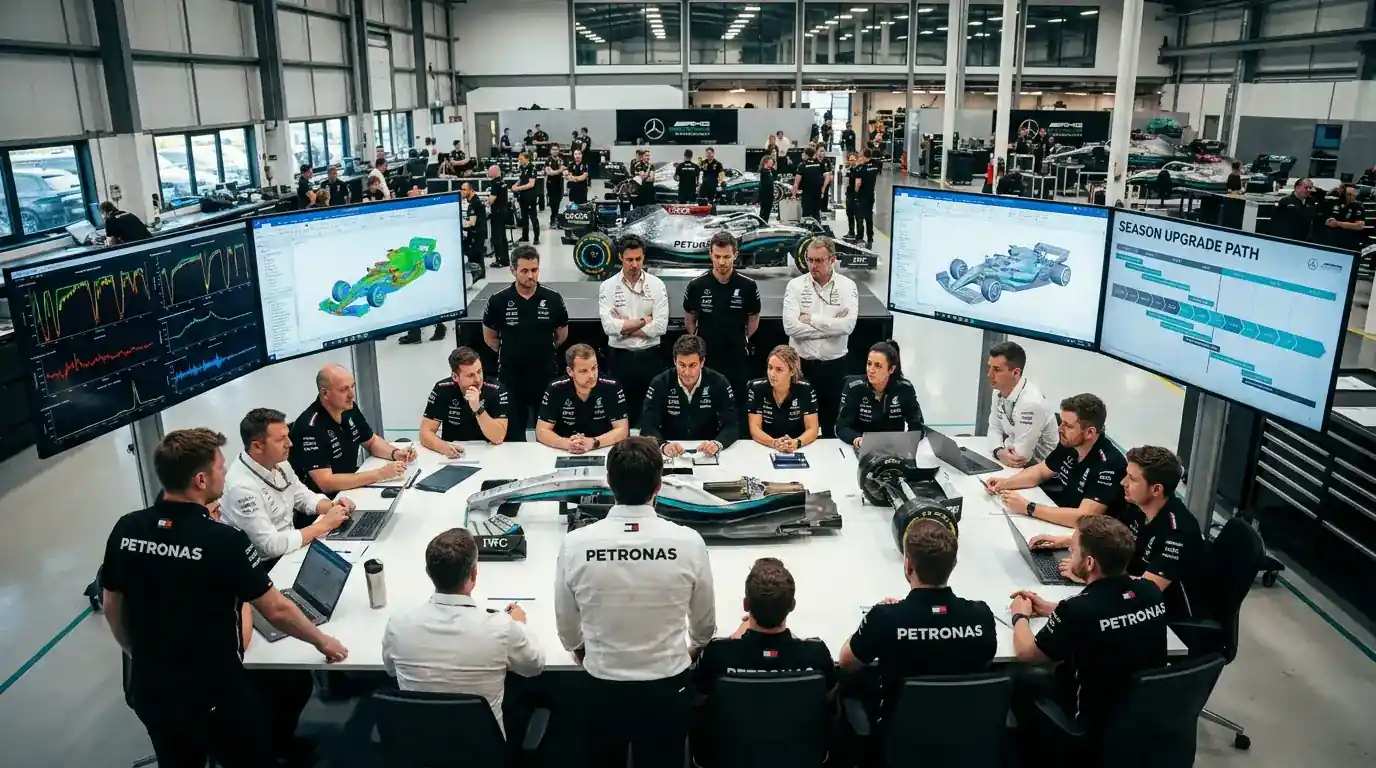
F1 teams operate under a budget cap and allocate their development resources across the season. The timing and effectiveness of upgrades – new aerodynamic packages, revised floors, updated suspension components – can shift a team’s competitiveness by two or three tenths of a second per lap. In a season where the top four teams are separated by half a second, that upgrade swing is enough to change the constructors’ championship outcome.
I track upgrade deployment through the official FIA technical delegate reports published before each race. These reports list every new component each team introduces, and the effect on lap time is usually visible in the practice data on the Friday of the race where the upgrade debuts. A team that introduces a major aerodynamic package mid-season and gains three tenths is a different constructors’ championship contender from the team they were two rounds earlier – but the constructors’ outright odds often take two or three races to fully adjust.

The value window opens between the upgrade’s debut and the market’s full adjustment. If I see a team gain three tenths in FP1 at the upgrade’s first outing, and the constructors’ odds haven’t moved, I assess whether the gain is sustainable (genuine aerodynamic improvement) or circuit-specific (the upgrade suits this track layout but may not translate to the next). Sustainable gains justify backing the team’s constructors’ price before the market catches up. Circuit-specific gains don’t.
Cost cap dynamics add a strategic layer. Teams that front-load their development spending – bringing most upgrades in the first half of the season – often stagnate in the second half as their budget allocation runs thin. Teams that spread their development more evenly show consistent improvement through the year. The constructors’ market tends to overweight the team leading at mid-season, which creates value on the team with a more balanced development strategy if they’re within striking distance.
The Gambling-Sponsor Connection: Do Team Partnerships Signal Form?
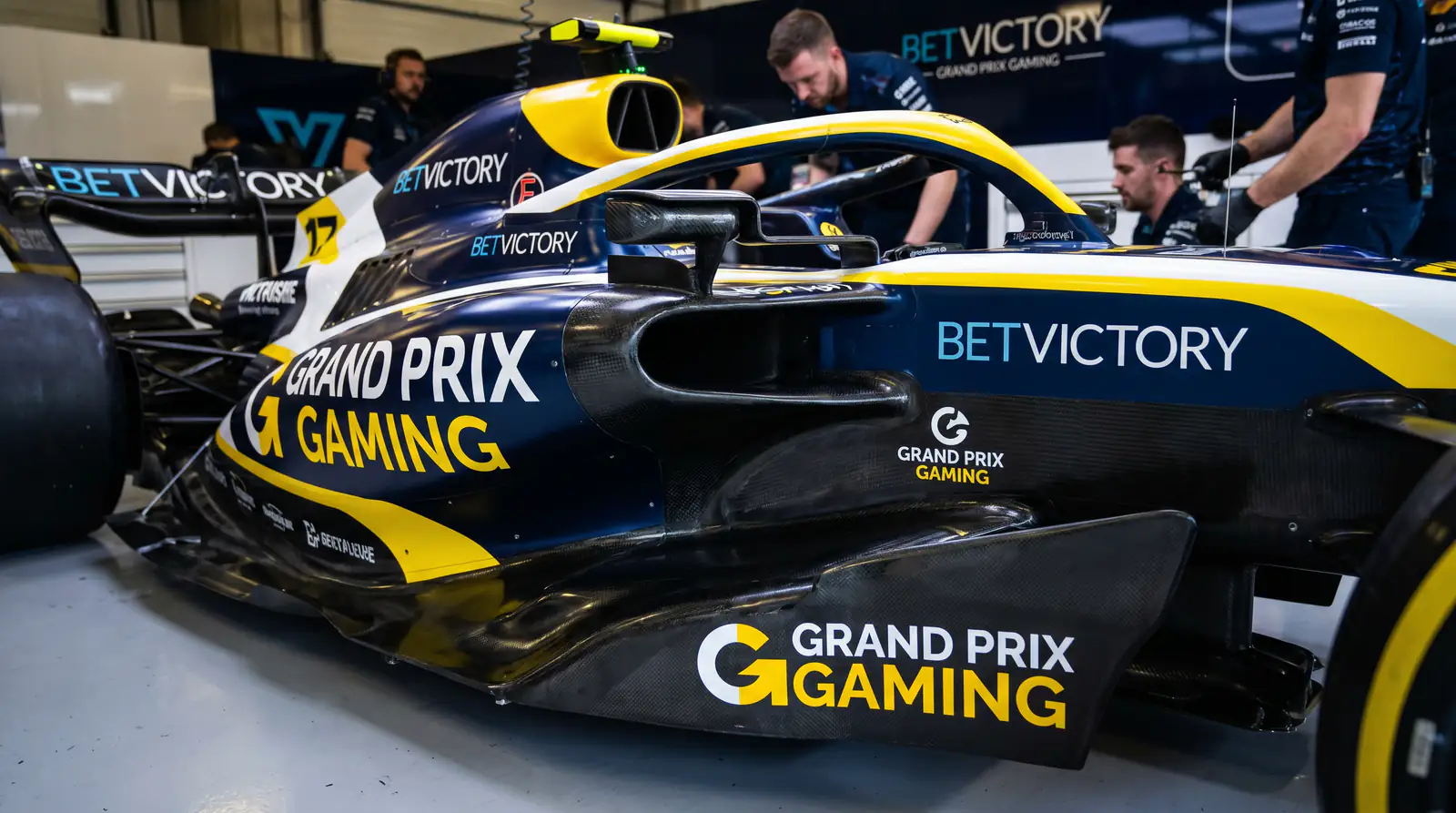
Roughly 70% of F1 teams had some form of gambling sponsorship by 2025, and the financial commitment from the industry is substantial – estimated at around 100 million dollars annually across the grid in 2022, with projections suggesting that figure has doubled by 2026. The question punters sometimes ask is whether a team’s gambling sponsorship says anything about their competitive prospects.
The honest answer: not directly. Gambling sponsors choose teams based on marketing reach, fan demographics, and brand alignment rather than competitive performance. A midfield team with a large social media following and a driver popular with the 18-34 demographic might attract bigger gambling sponsorship than a frontrunning team with a smaller marketing footprint. The sponsorship reflects the commercial value of the team’s audience, not their constructors’ championship potential.
Where the connection becomes relevant is in the financial stability it provides. Teams with strong sponsorship revenue have more budget to allocate toward car development within the cost cap framework. They can attract better engineering talent, invest in better facilities, and sustain their competitive effort through the season without financial constraints forcing cutbacks. Over a multi-season horizon, well-funded teams trend upward in the constructors’ standings – not because the gambling money directly improves the car, but because financial health enables consistent investment in performance. The outright betting timing strategies that work for the drivers’ championship apply to constructors’ markets too, but with an additional variable: tracking each team’s development trajectory through their upgrade schedule and financial position.
How is the F1 Constructors’ Championship decided and how does that affect betting?
The Constructors’ Championship is awarded to the team with the most combined points from both drivers across all races in the season. Both drivers’ points count equally. For betting, this means a team’s championship probability depends on both drivers’ expected performance, not just the lead driver’s. Settlement is based on the official FIA constructors’ standings after the final race.
What happens to a constructors’ outright bet if a team is disqualified from a race?
If a team’s car is disqualified from a race, any points scored by the disqualified entry are removed from the constructors’ standings. Outright bets are settled on the final official FIA constructors’ standings, which include all post-race penalties and disqualifications applied throughout the season.
Do both drivers’ points count equally in constructors’ championship betting?
Yes. Every point scored by either of a team’s drivers contributes equally to the constructors’ total. There is no weighting or hierarchy – a point scored by the team’s second driver is worth exactly the same as one scored by the lead driver. This is why balanced driver pairings can outperform teams with one dominant driver in the constructors’ standings.
Created by the ”f1 Betting” editorial team.