How to Bet on F1 in the UK: A Step-by-Step Walkthrough for First-Time Punters
 Available in US
My first F1 bet was a disaster – not because I lost, but because I spent twenty minutes fumbling through an unfamiliar interface, accidentally placed a double instead of a single, and then couldn’t find the cash-out button when I wanted to close the position early. The bet actually won, but the experience was so frustrating that I nearly gave up on F1 betting entirely. Seven years later, I wish someone had walked me through the process before I clicked anything. This is that walkthrough.
Betting on Formula 1 in the UK is legal, regulated, and straightforward once you understand the steps. About 10% of the UK adult population places online sports bets, and the process is the same whether you’re betting on F1, football, or horse racing. What differs is the market structure – F1 has its own terminology, its own timing rhythms, and its own quirks that first-time punters need to understand before placing their first wager.
Choosing a Bookmaker and Setting Up a Verified Account
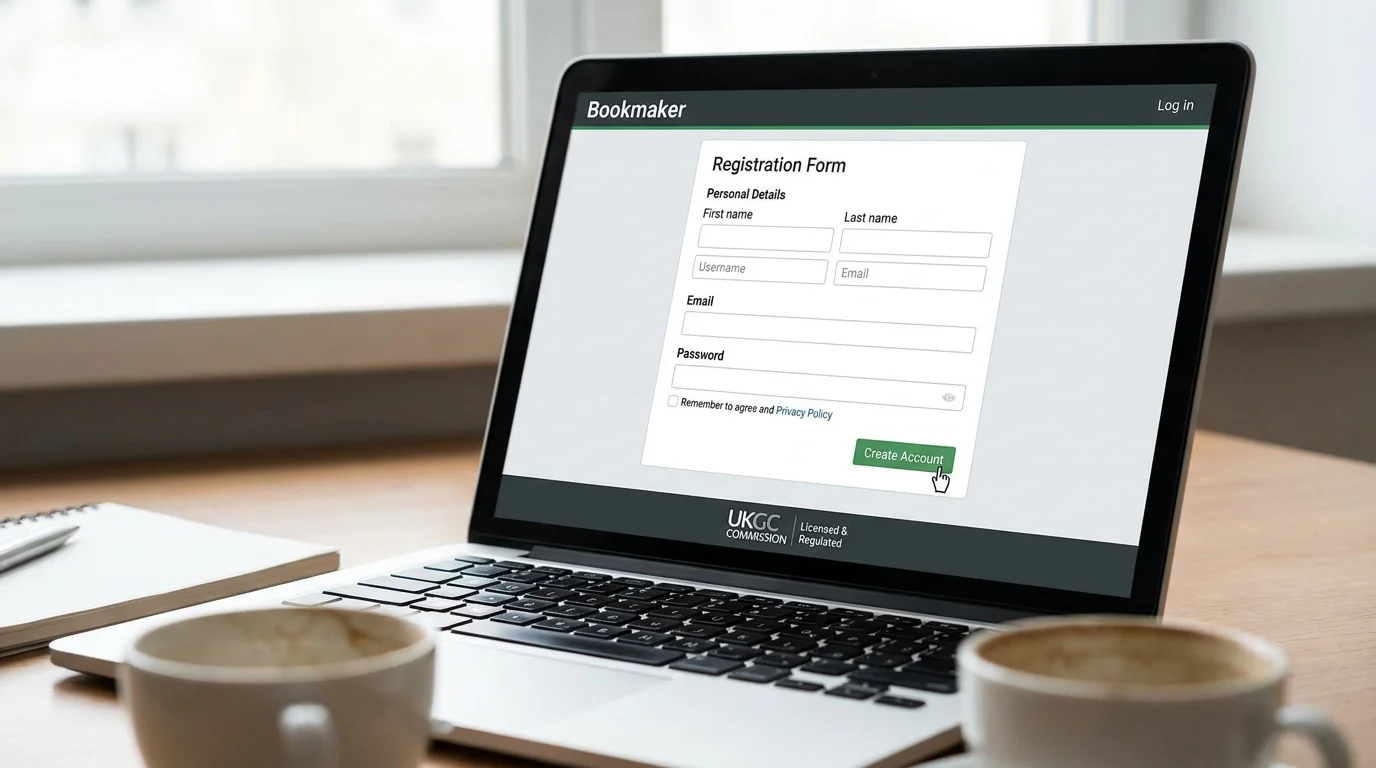
Before you bet a single pound, you need an account with a UKGC-licensed bookmaker. The UK Gambling Commission licence is non-negotiable – it’s the only legal framework under which an operator can offer betting services to UK residents. The total remote gambling sector generated GGY of 7.8 billion pounds in the year to March 2025, and every penny of that flowed through licensed operators. Using an unlicensed site means no regulatory protection, no dispute resolution, and no guarantees on the security of your funds.
Setting up an account takes five to ten minutes. You’ll provide your name, date of birth, address, email, and a username and password. Most operators will ask you to verify your identity before you can deposit – this is a legal requirement under anti-money-laundering regulations, not an optional step. Verification typically involves uploading a photo of a government-issued ID (passport or driving licence) and a proof of address (utility bill or bank statement). Some operators complete this within minutes using automated checks; others take 24-48 hours for manual review.
I recommend setting up accounts at two or three operators rather than committing to one. Different bookmakers offer different odds on the same F1 market, and having multiple accounts lets you place each bet at the best available price. This is standard practice – known as line shopping – and it makes a measurable difference to your returns over the course of a season.
Depositing Funds and Setting Your First Spending Limit
Once verified, you deposit funds using a payment method linked to your account. Most UK bookmakers accept debit cards (Visa, Mastercard), bank transfers, and e-wallets like PayPal, Skrill, or Neteller. Credit card deposits have been banned for gambling in the UK since April 2020, so don’t expect that option. The minimum deposit is typically five or ten pounds depending on the operator and the payment method.
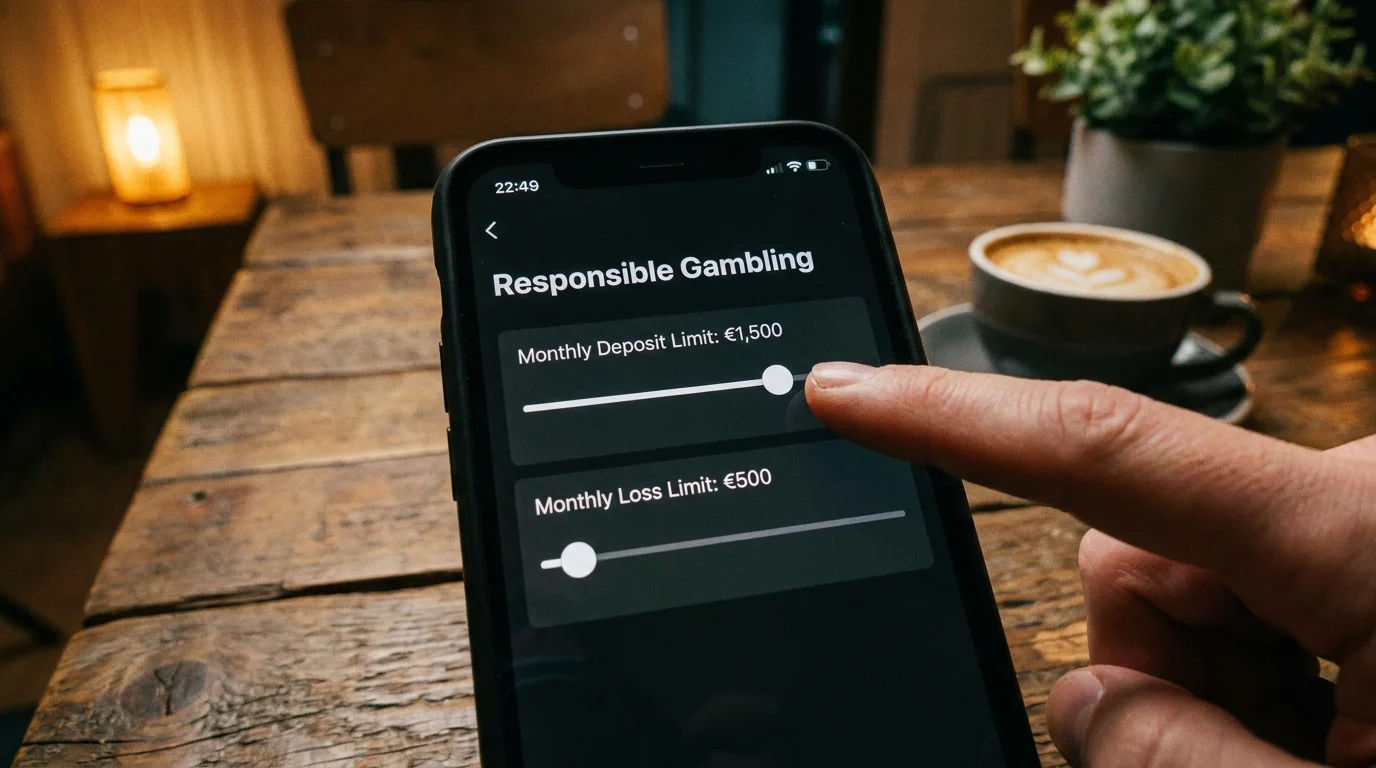
Here’s the step most first-time punters skip, and the one I wish I’d taken seriously from day one: set a deposit limit before you place your first bet. Every UKGC-licensed bookmaker is required to offer deposit limit tools that let you cap the amount you can add to your account per day, week, or month. Setting this limit up front isn’t a sign of weakness – it’s basic bankroll discipline. I set a weekly deposit limit that equals my intended weekly betting budget, and I’ve never regretted it. The limit prevents impulse top-ups after a losing race weekend, which is the single most common way new punters burn through their bank faster than they planned.
Loss limits and session time limits are also available at most operators. I’d set at least a deposit limit and a loss limit before placing your first bet. You can adjust these limits later – increasing a limit typically requires a cooling-off period, while decreasing takes effect immediately.
Selecting a Market, Reading the Slip and Placing Your Bet
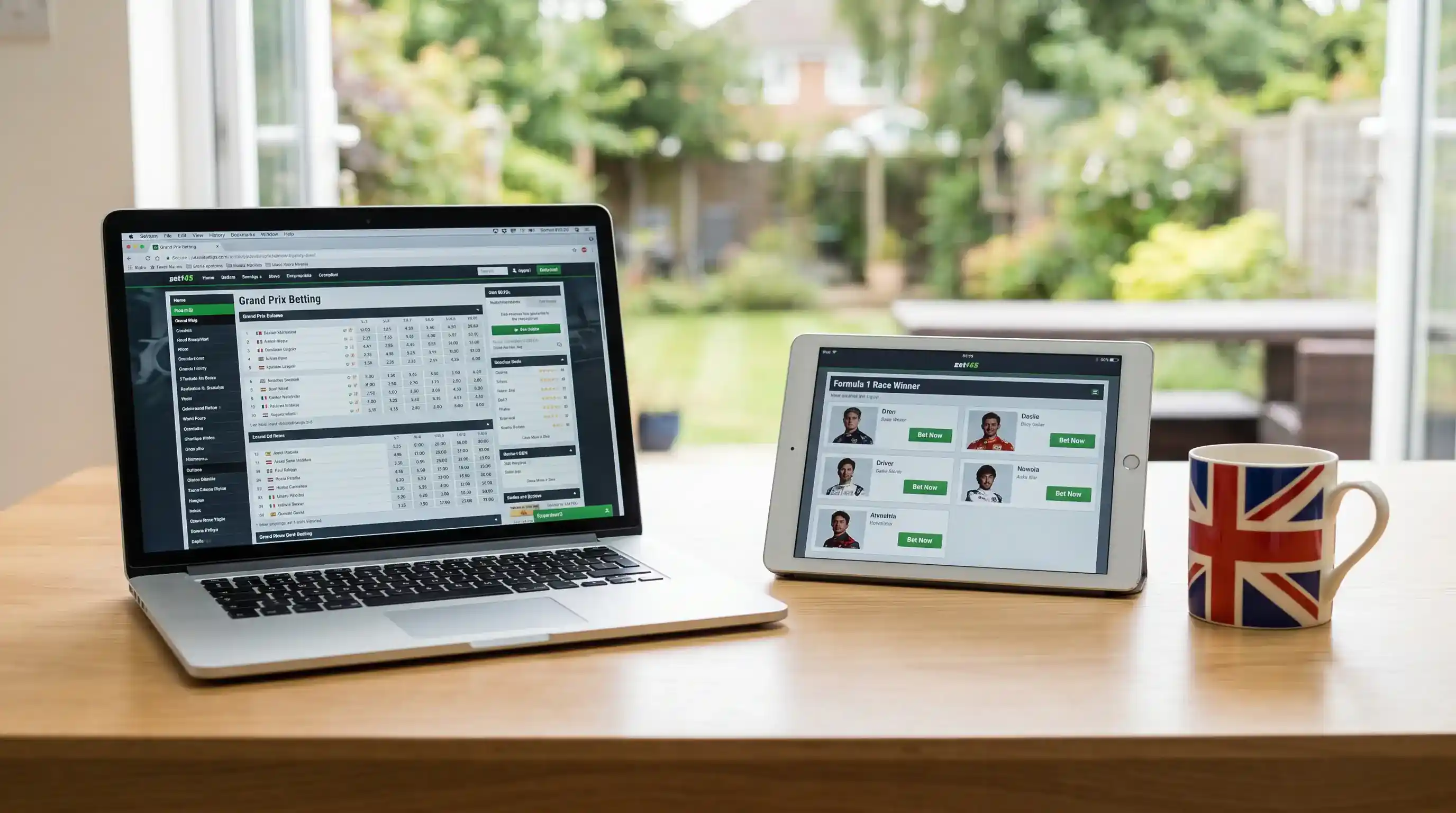
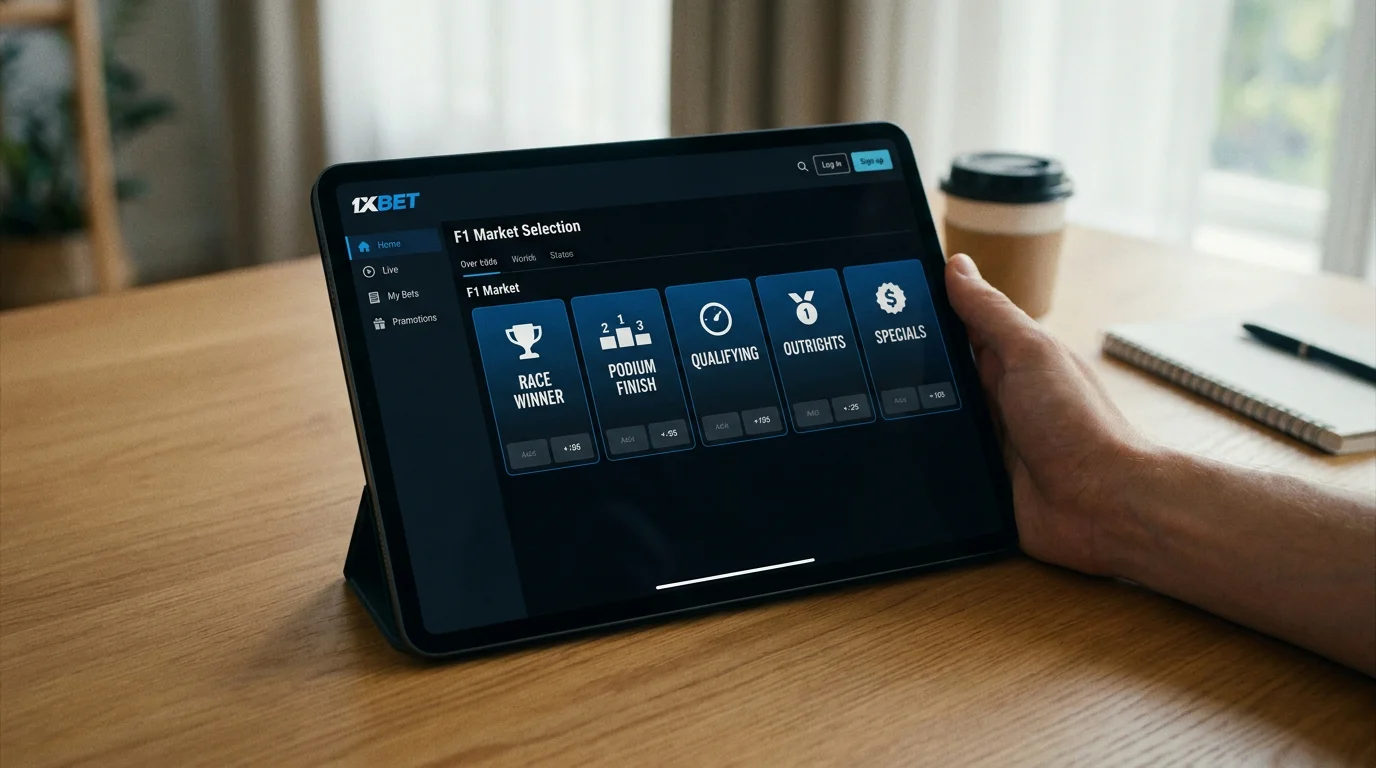
Navigate to the motorsport or Formula 1 section of your bookmaker’s site or app. You’ll see the upcoming race weekend listed, with markets grouped by type: race winner, podium finish, qualifying, outrights, specials. Each market lists the available selections (drivers or outcomes) with their corresponding odds.
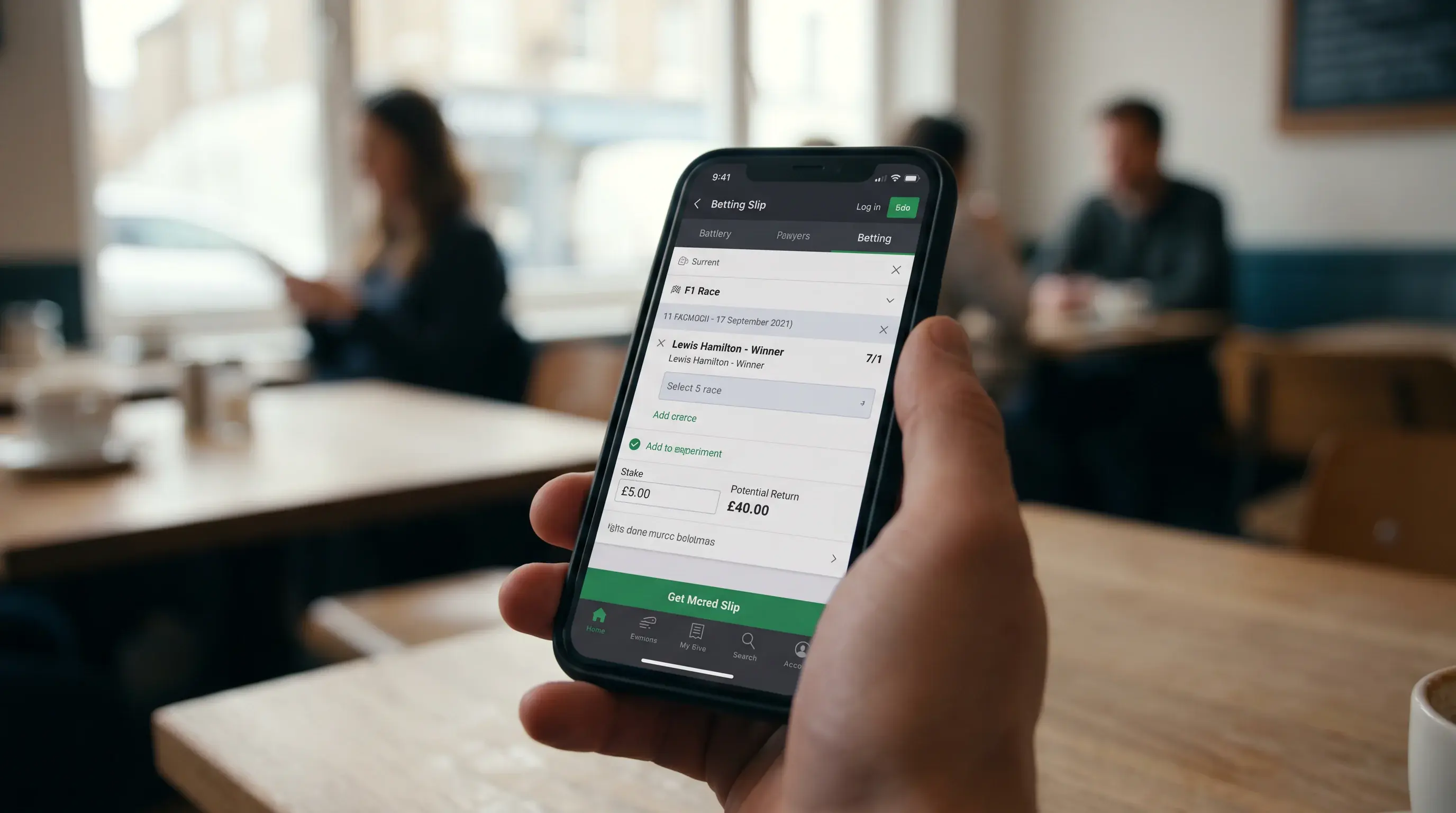
Tap or click on the selection you want to bet on. This adds it to your bet slip – a sidebar or bottom-sheet that shows your pending selections. On the bet slip, you’ll see the selection name, the odds, and a field where you enter your stake (the amount you want to wager). The slip will calculate your potential return: stake multiplied by the decimal equivalent of the odds, or the fractional payout formula if your bookmaker displays fractional odds.
Before confirming, check three things. First, the selection is correct – I once accidentally backed the wrong driver because two names were adjacent on a crowded mobile screen. Second, the stake is what you intended – fat-finger errors happen, especially on mobile. Third, the bet type is correct – “single” means one selection, “double” means two combined, “treble” means three. If you only want to bet on one outcome, make sure the slip shows a single bet, not an accumulator.
Hit “place bet” and the wager is confirmed. Most bookmakers display a confirmation screen with a reference number. I screenshot this for my records. The bet is now live, and the outcome will be determined by the official result of the market you’ve selected.
After You Bet: Tracking, Cash Out and Settlement
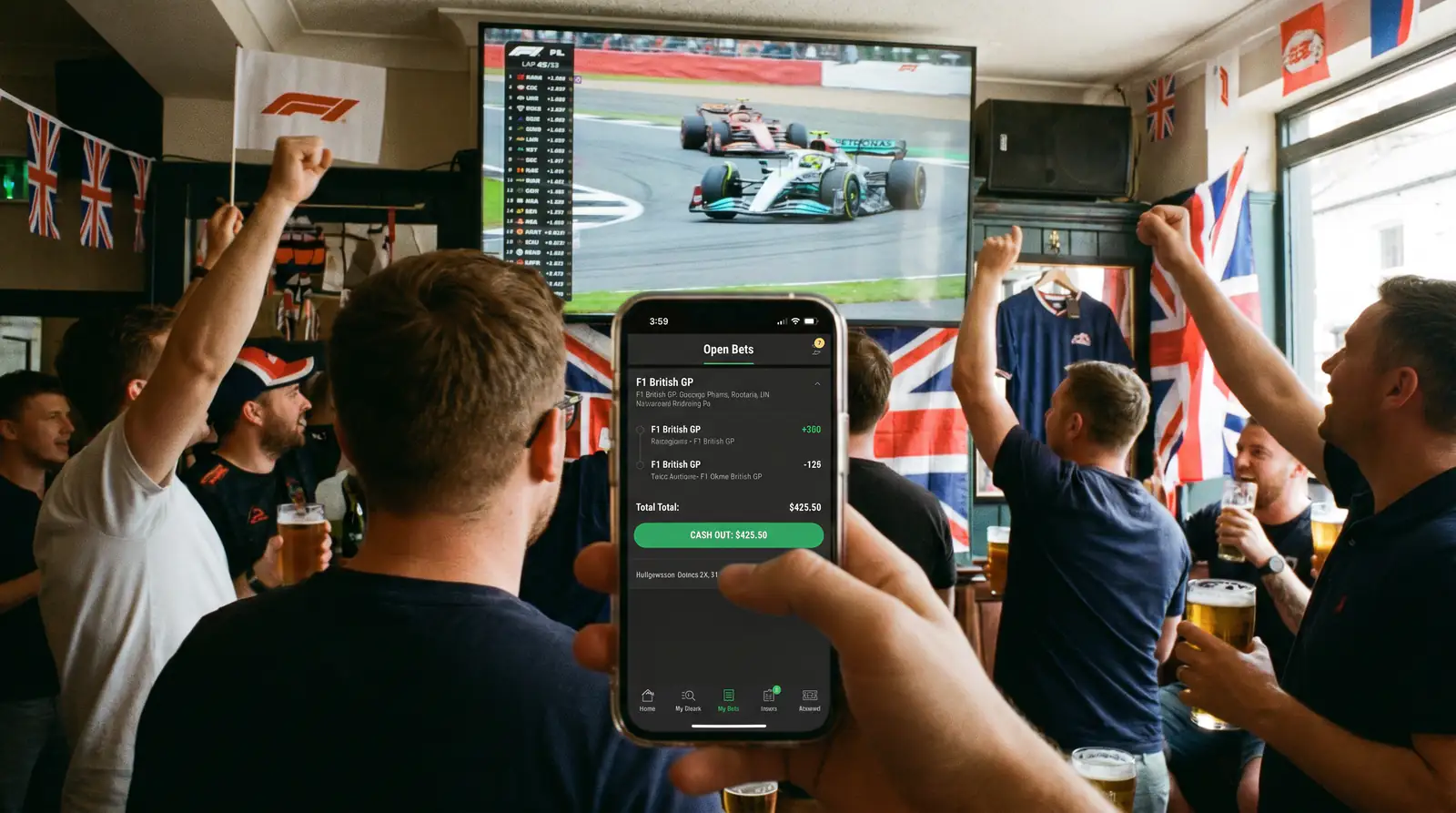
Your open bets appear in the “my bets” or “open bets” section of your account. You can track the status of each wager in real time during the race. Most operators also display a live odds indicator that shows how your bet’s value is changing as the race unfolds.
Cash out lets you close your bet before the market settles, locking in a profit or cutting a loss at the current in-play valuation. If you backed a driver at 8/1 and they’re running third with ten laps remaining, the cash-out value will reflect their current probability of finishing on the podium – typically less than the full potential payout but more than your original stake. I use cash out sparingly and only when the live situation has changed fundamentally from my pre-race assessment. Routine cash-outs erode your edge over time because the bookmaker applies a margin to every cash-out offer.
Settlement happens after the official result is confirmed. For most race-day markets, this is within minutes of the FIA declaring the official classification. Outright championship markets settle after the final race of the season. Qualifying bets settle shortly after the qualifying session ends. Once settled, any winnings are added to your account balance and can be withdrawn via your registered payment method. Withdrawal times vary: e-wallets are usually same-day, debit cards take one to three business days, and bank transfers can take up to five days. The mechanics of F1 odds become second nature after your first few bets, but understanding the reading of a bet slip is the essential foundation.
What is the minimum bet amount for F1 at UK bookmakers?
Most UK bookmakers set a minimum stake between ten pence and one pound for F1 markets. The exact minimum varies by operator and sometimes by market type. Check the specific bookmaker’s terms for their minimum stake requirement.
How long does it take for an F1 bet to be settled after the race?
Most race-day bets are settled within minutes of the official FIA classification being published, which typically happens shortly after the podium ceremony. Post-race investigations or protests can delay settlement if the result is under review. Outright championship bets are settled after the final race of the season.
Do I need to verify my identity before placing an F1 bet in the UK?
Yes. All UKGC-licensed bookmakers are legally required to verify your identity before you can deposit funds and place bets. This involves providing government-issued photo ID and proof of address. Some operators complete verification instantly through automated checks, while others require manual review that can take up to 48 hours.
Written by the editors at f1 Betting.