F1 Tyre Strategy Betting: How Compound Choices Create Opportunities
 Available in US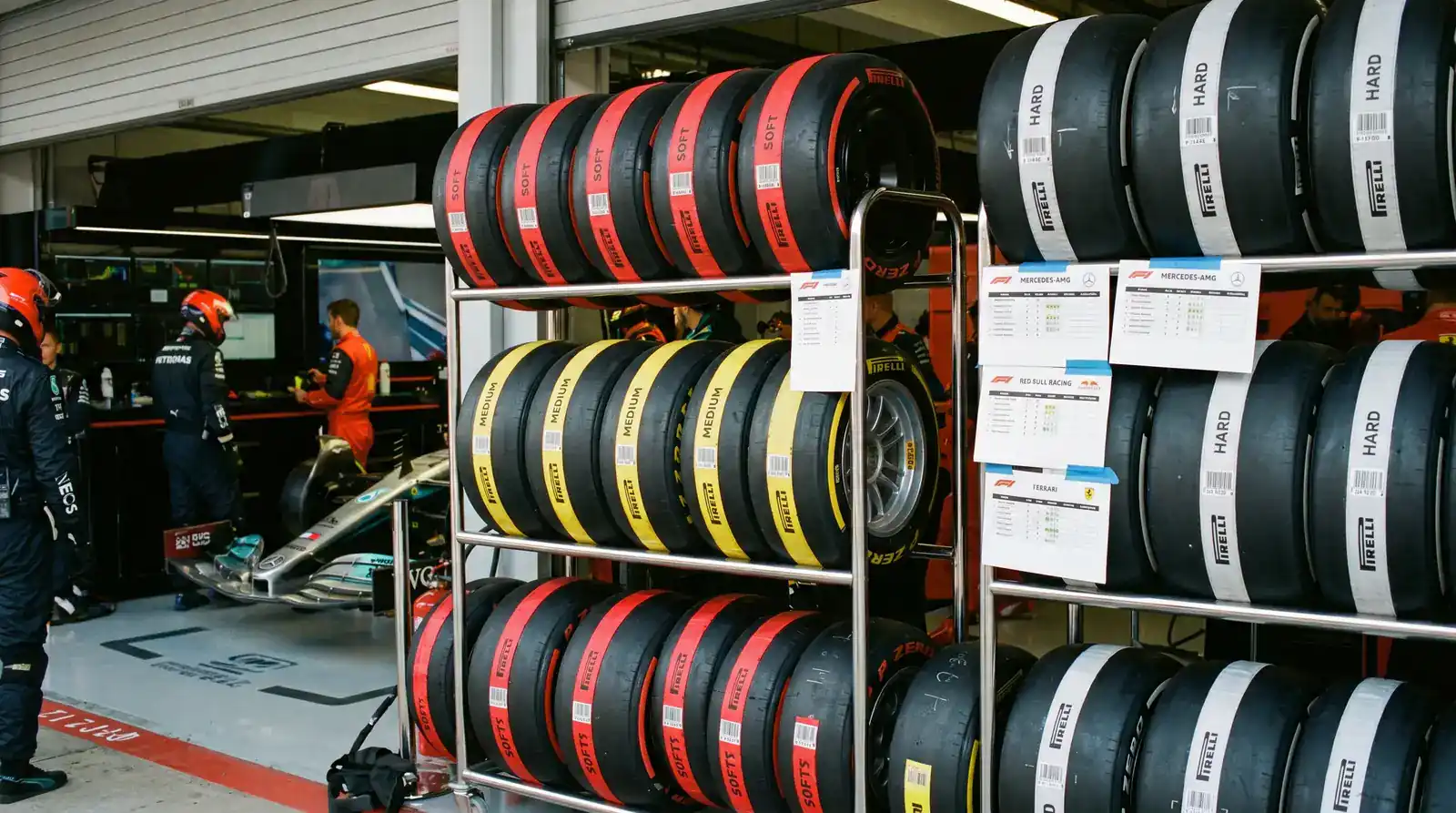
Hungary 2019 remains one of my favourite betting memories. Hamilton was on a one-stop strategy, but Mercedes called him in for a second stop with twenty laps to go. The market hadn’t anticipated the switch – it went from a comfortable Verstappen win to a Hamilton undercut. I’d placed a live bet on Hamilton the moment I saw the team radio message on the broadcast, and the odds hadn’t caught up with what the strategy change meant. Tyre strategy is the invisible engine behind half of all F1 race outcomes, and bettors who ignore it are flying blind.
Every F1 race is won or lost on tyre management and pit stop timing. The compound selection – soft, medium, or hard – determines how long a driver can stay out before their lap times degrade, and the pit stop window determines their track position relative to rivals. These decisions are made in real time by teams using data from over 700 sensor readings per second per car. Punters can’t match that data volume, but you don’t need to. Understanding the strategic principles gives you enough to identify when the market is mispricing a live outcome.
Reading Tyre Compounds Before the Race
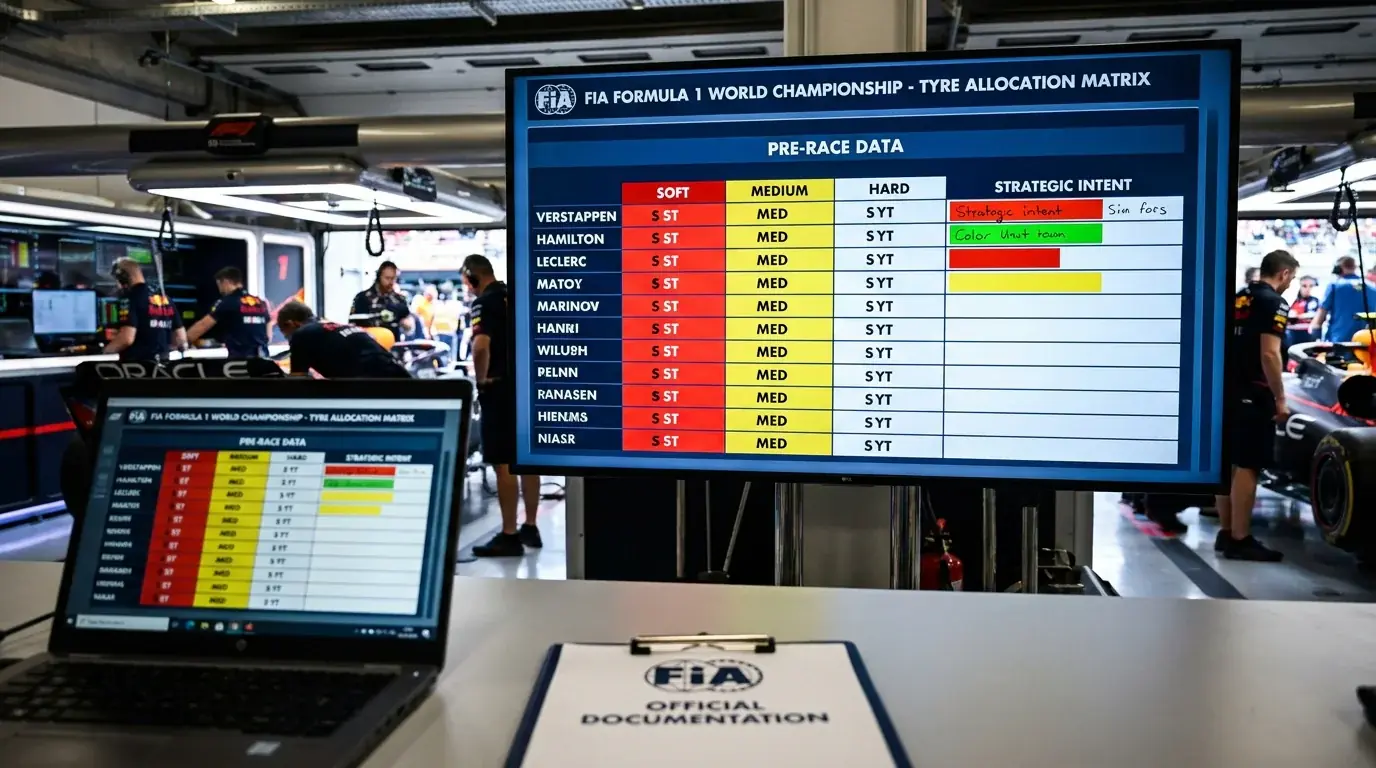
Mark Wrigley, F1’s Head of Betting, has described the sport’s betting product as one built on engagement and knowledge – and tyre strategy is where that knowledge converts directly into betting edge. Before every race, the FIA publishes each driver’s tyre allocation for the weekend: thirteen sets of tyres across the three compounds. After qualifying, the teams’ remaining sets – and crucially, which compounds they’ve used and saved – become public information.
This information is gold. A driver who has two fresh sets of mediums and one fresh set of hards available for the race has different strategic options from a driver with one set of each. The driver with two fresh medium sets can run a medium-medium strategy, staying on the faster compound for both stints. The driver limited to one set of mediums might be forced onto a medium-hard strategy, which is typically slower overall but can work at circuits with high tyre degradation.
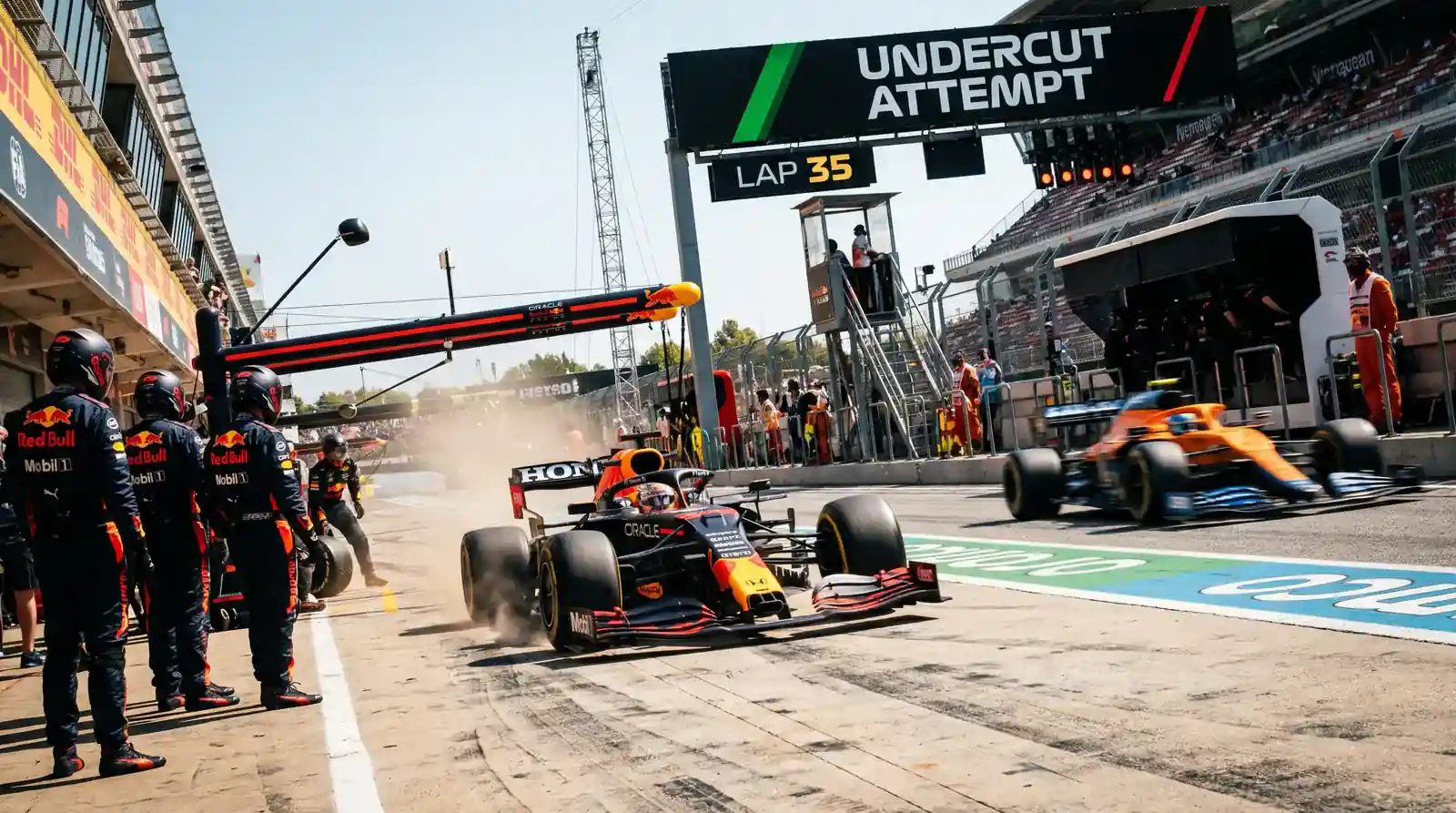
I compare each driver’s remaining tyre sets against the predicted optimal strategy published by Pirelli in their pre-race briefing. When a driver’s available tyres align with the optimal strategy, they’re at no disadvantage. When they don’t – because they burned extra sets in practice or qualifying – they’re locked into a suboptimal plan. That constraint rarely shows up in the pre-race odds, which tend to weight qualifying position far more heavily than tyre availability.
One Stop vs. Two: Where the Value Diverges
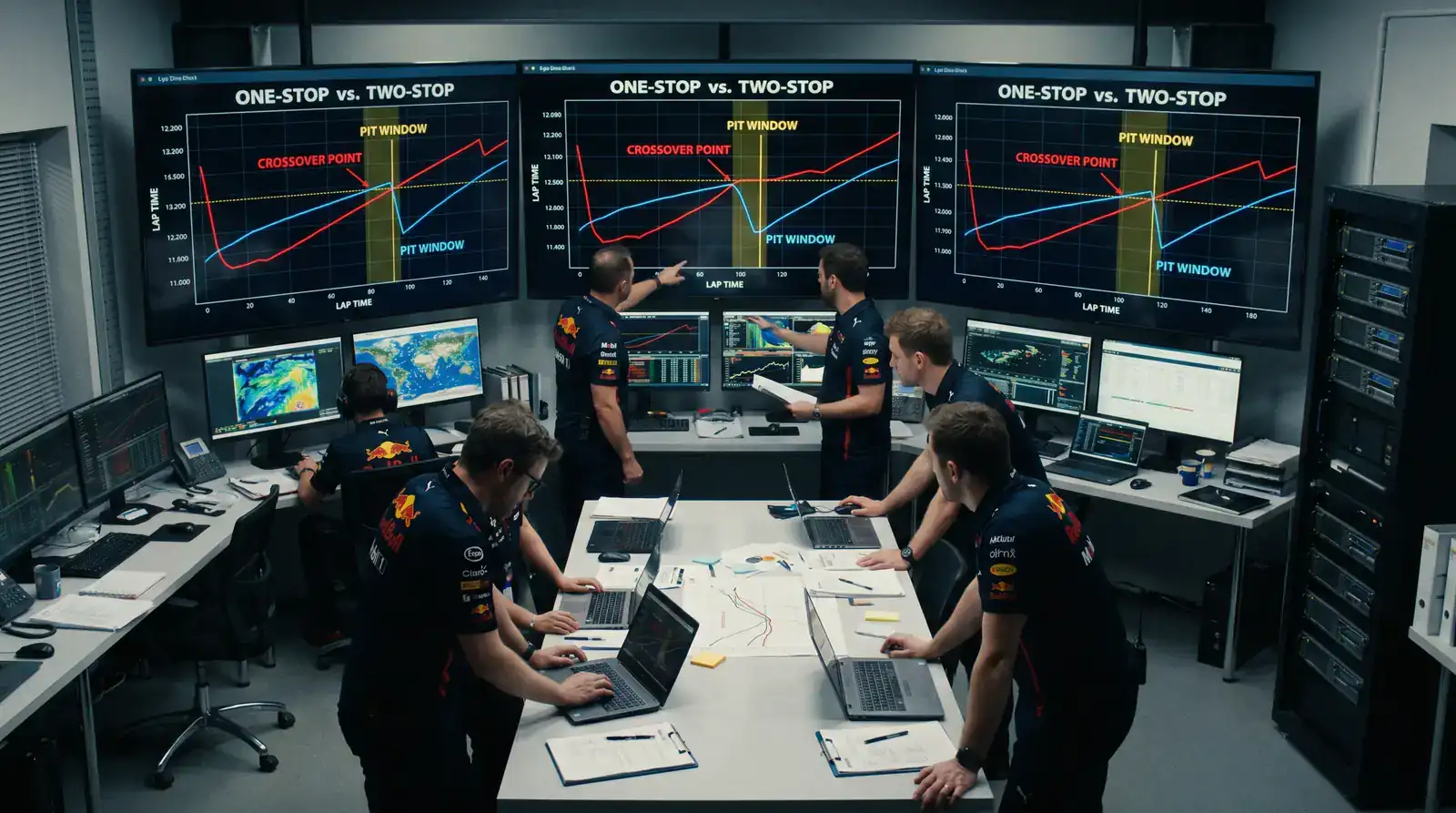
I made a tracking spreadsheet in 2023 that logs every race’s optimal stop count against the actual stop count for each driver. The pattern is clear: at most circuits, the optimal strategy is one stop, but 30-40% of the field ends up making two stops due to safety car timing, tyre degradation exceeding predictions, or strategic responses to rivals. That gap between planned and actual strategy creates in-play value.
The one-stop strategy favours track position. The driver pits once, stays out on older tyres toward the end of the stint, and relies on the time gained by not making a second pit stop to offset the pace loss from degraded rubber. The two-stop strategy favours pure lap time. The driver pits twice, runs on fresher tyres throughout, but loses roughly twenty-three seconds per stop (pit lane transit plus stationary time). The crossover point – where two stops become faster than one – depends on the degradation rate, which varies by circuit, temperature, and car setup.
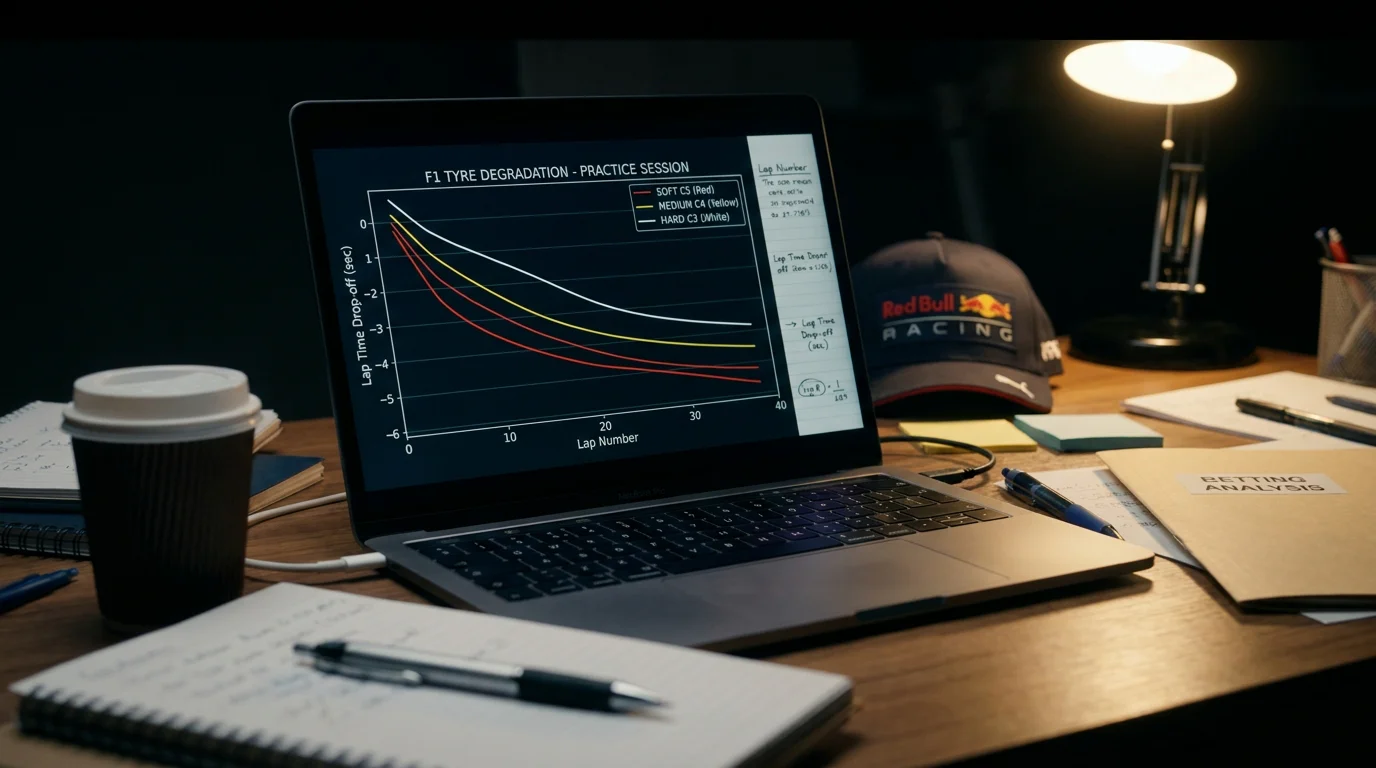
For live betting, the critical moment is when a team commits to a two-stop strategy unexpectedly. If the leader pits for a second time, the driver running second on a one-stop strategy suddenly has track position but older tyres. The in-play odds on the second driver shorten dramatically, often faster than warranted if the tyre degradation data suggests the one-stop driver will struggle in the final laps. Conversely, the two-stopper’s odds lengthen, sometimes beyond fair value if the pace advantage on fresh rubber is significant. Watching the pit stop timing and execution gives you a real-time read on which strategy is working.
Undercuts and Overcuts in Live Markets
The undercut – pitting before your rival to gain a track position advantage through fresher tyres on an empty track – has become the dominant strategic weapon in modern F1. When I see a driver pit earlier than expected, the first thing I check is the gap to the car ahead. If the gap is within the undercut window (typically 1.5 to 3.0 seconds depending on the circuit), an early pit stop is almost certainly an undercut attempt.
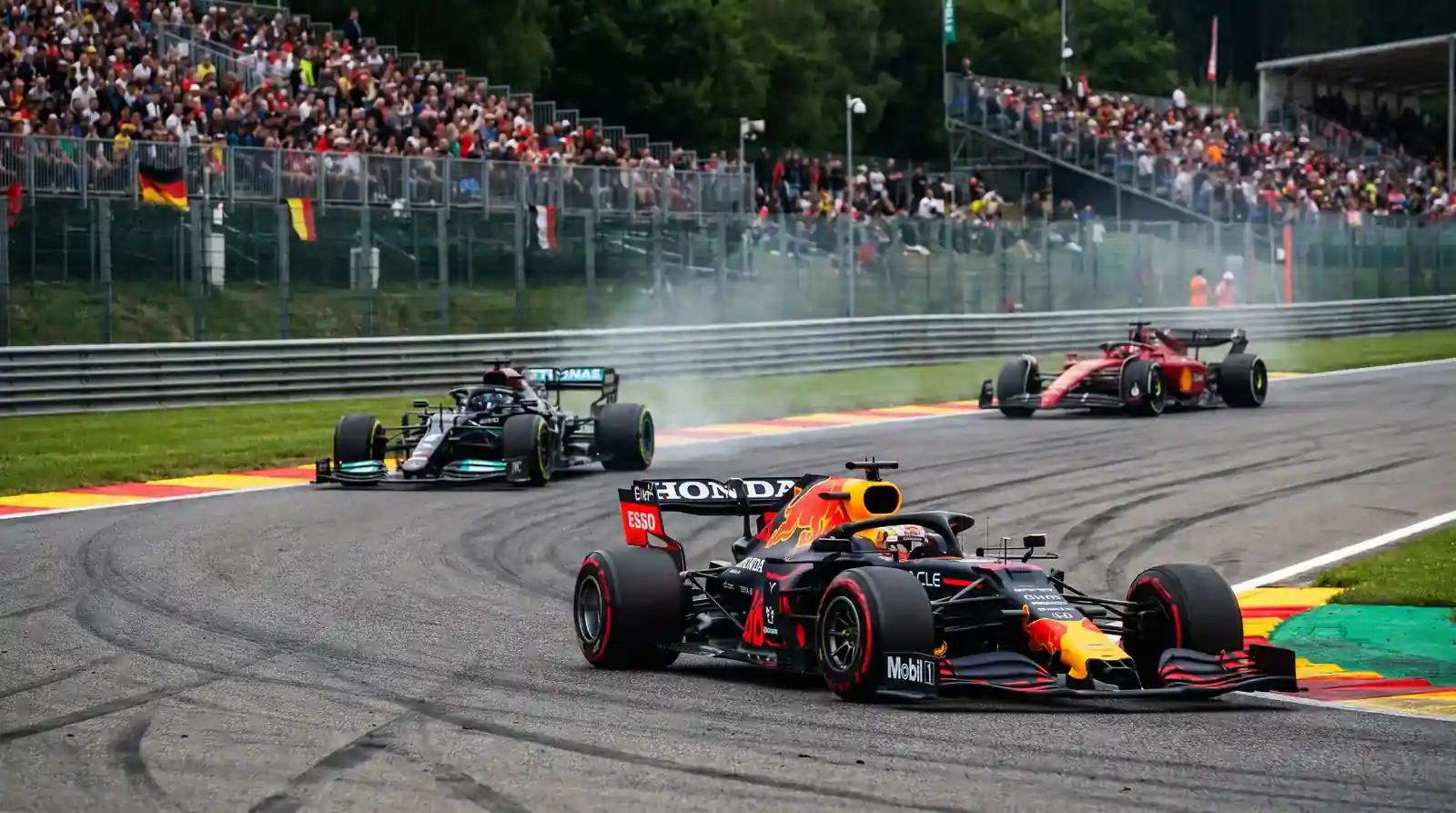
The live market response to an undercut attempt is consistently slow. It takes the market sixty to ninety seconds to fully reprice the affected drivers, by which time the undercut has either succeeded or failed. If you can read the undercut attempt in real time – from watching the pit entry camera or the team radio feeds – you have a window to act before the market adjusts. A successful undercut transforms the race order, and a bet placed in the seconds before the market reprices is where strategy knowledge converts directly into profit.
Overcuts – staying out while your rival pits, banking fast laps on an empty track, then pitting later and emerging ahead – are rarer but equally impactful. They work when the in-lap and out-lap tyre performance is strong enough to compensate for the pit stop time loss. Overcuts are harder to read live because the driver staying out doesn’t make an obvious move; they simply continue running. The tell is the team radio – if the engineer confirms “good pace, stay out,” the overcut attempt is underway.
Why Tyre Data Gives You an Edge Over the Market
The 28% of F1 fans who bet online have access to the same tyre data the teams publish. The difference is how few punters actually use it. Pre-race, the mandatory tyre compounds and remaining sets are posted by the FIA. During the race, the broadcast shows real-time tyre life through graphics and commentary. After practice sessions, Pirelli publishes degradation estimates that are usually accurate within 10-15%.
The market is priced primarily by algorithms that weight qualifying position, historical driver performance, and broad circuit characteristics. Those algorithms are slower to incorporate specific tyre data – especially mid-weekend changes like unexpected degradation in practice or a team switching their planned strategy after finding unexpected graining. Punters who follow the technical briefings, the tyre allocation lists, and the practice session long-run data have a structural information advantage over the pricing model. It’s not an enormous advantage, but across twenty-four races, it compounds into meaningful returns.
How can I find out which tyres each F1 driver has available for the race?
The FIA publishes each team’s tyre allocation before every race weekend, and the remaining sets after qualifying are listed in the official documentation. Pirelli also posts this information on their social media channels. Compare the available sets against the predicted optimal strategy to identify drivers with a strategic disadvantage.
Does tyre strategy affect pre-race or live betting odds more?
Tyre strategy has a larger impact on live odds. Pre-race markets are dominated by qualifying position and historical form. Once the race starts, tyre choices and pit stop timing directly influence track position and pace, causing significant in-play odds movements that are often slower to adjust than warranted.
Published by the f1 Betting team.