F1 Betting Apps in the UK: What to Look for in a Mobile Race-Day Experience
 Available in US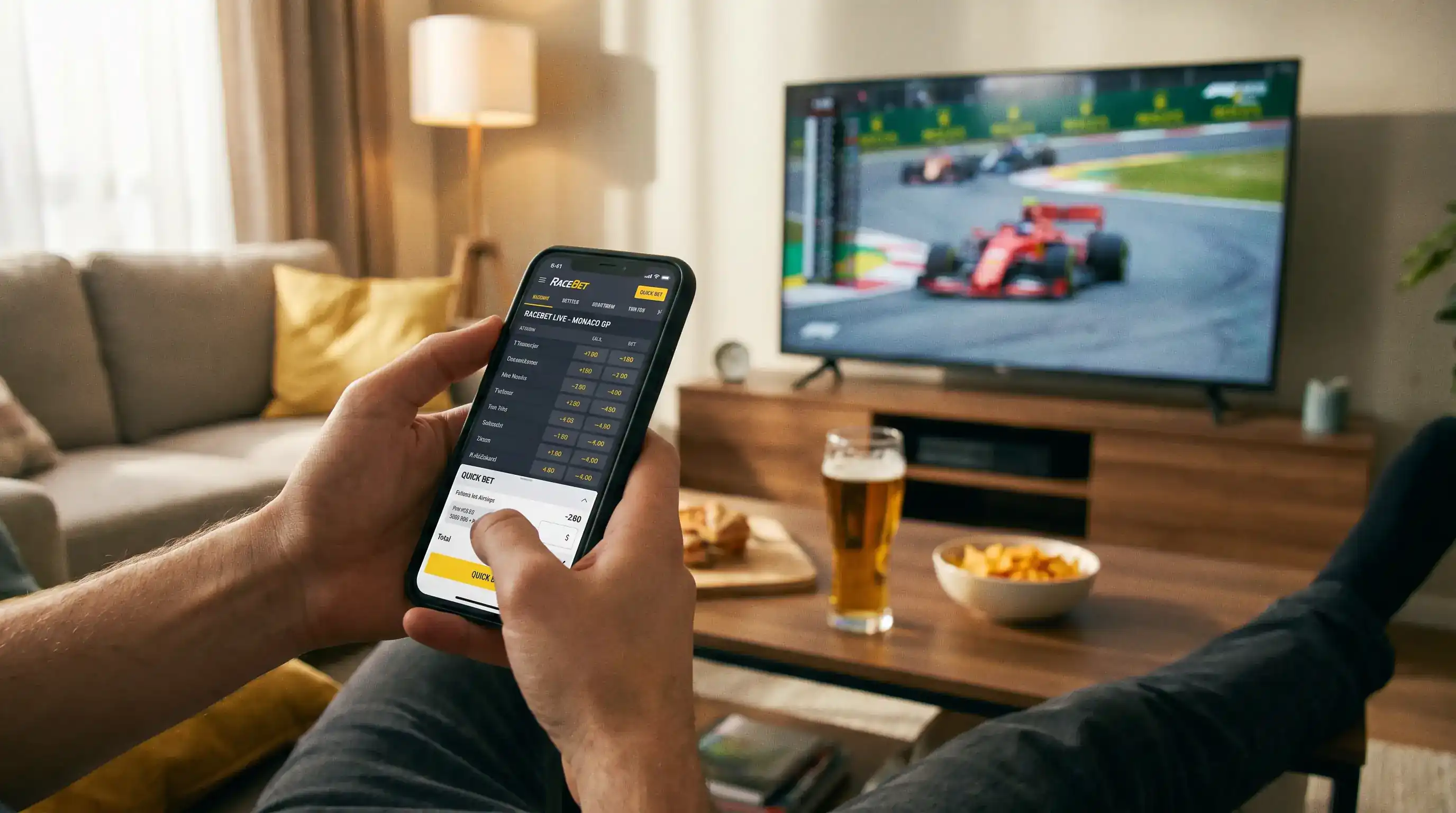
I watched the 2023 Las Vegas Grand Prix at 6 AM from my sofa, phone in one hand, remote in the other. The in-play odds shifted when Verstappen pitted on lap 16, and I had about twenty seconds to place a live bet on Leclerc at a drifted price before the algorithm corrected. My desktop was upstairs. The app was in my hand. That bet landed, and it wouldn’t have existed without a mobile experience fast enough to keep up with the race.
F1 betting on mobile isn’t a nice-to-have – it’s the primary interface for race-day punting. The majority of F1 race weekends play out during time slots that put punters on sofas, at circuits, or travelling, not sitting at a desk. Fifty-eight percent of people who bet on motorsport are between 18 and 34 years old, a demographic that defaults to mobile for almost every digital interaction. The app experience determines whether you can act on a live opportunity or watch it evaporate while the interface loads.
Key Features to Evaluate in an F1 Betting App
The total number of online bets placed on real events in the UK runs at approximately 290 million per month, and a growing share of that volume flows through mobile apps. For F1, the features that matter most are speed, market depth, and notification capability – in that order.
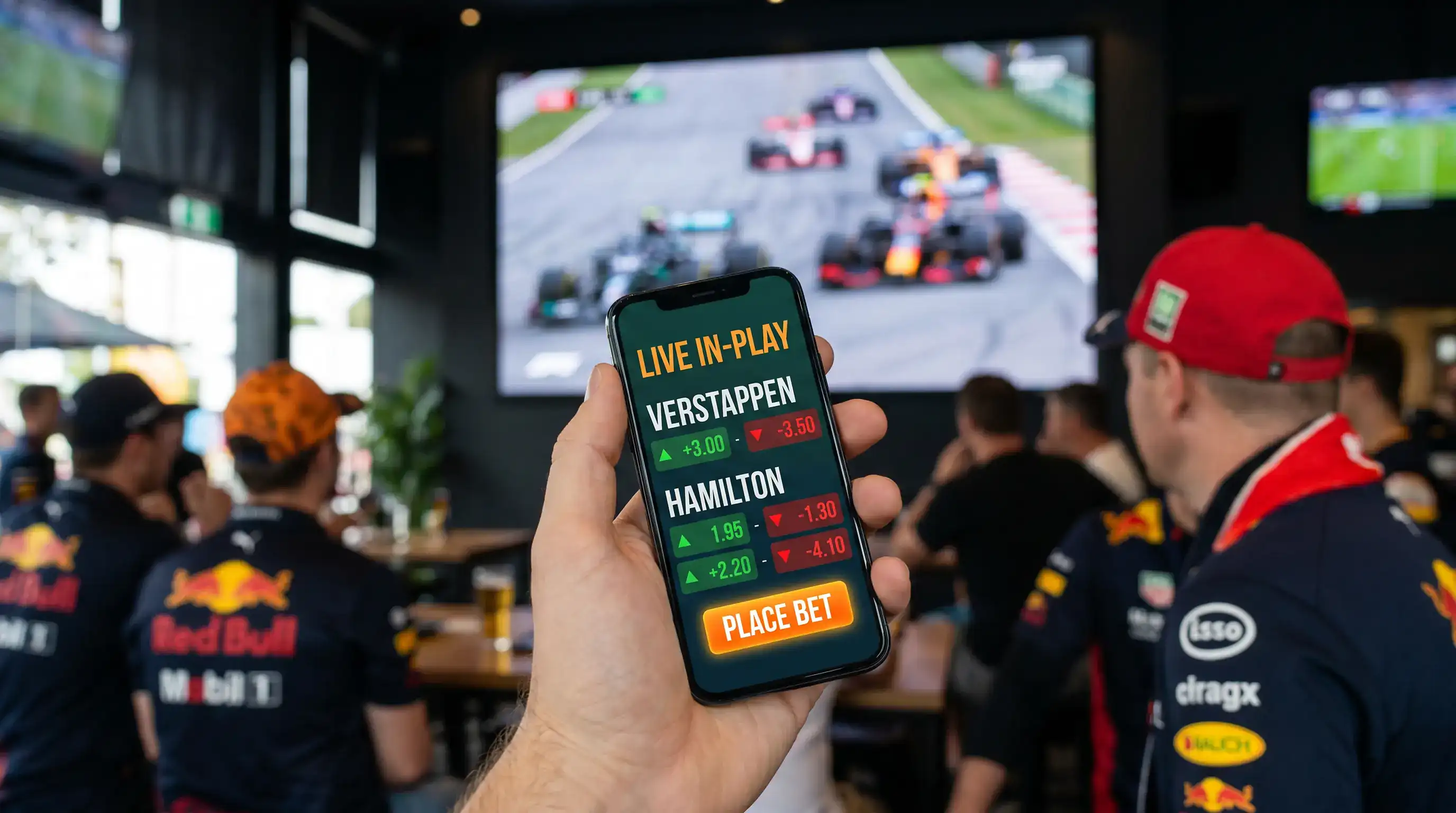
Speed means how quickly the app loads markets, accepts bets, and updates in-play odds. During a live F1 race, the odds can shift meaningfully within seconds of a safety car deployment, a pit stop, or a position change. An app that takes three seconds to load the in-play market is three seconds too slow when the window for a value bet is ten seconds wide. I test app speed by timing how long it takes to navigate from the home screen to a placed in-play bet during a live event. Anything over five seconds total is a competitive disadvantage.
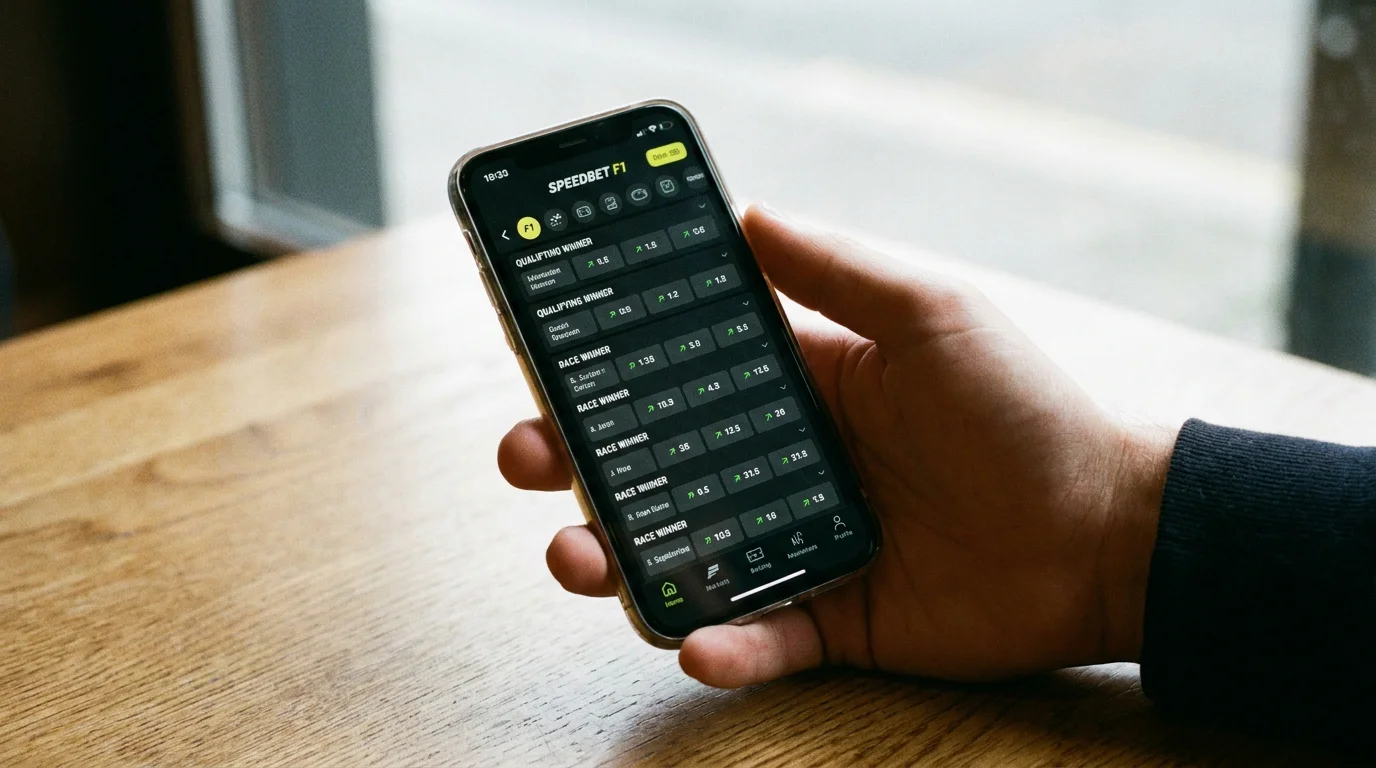
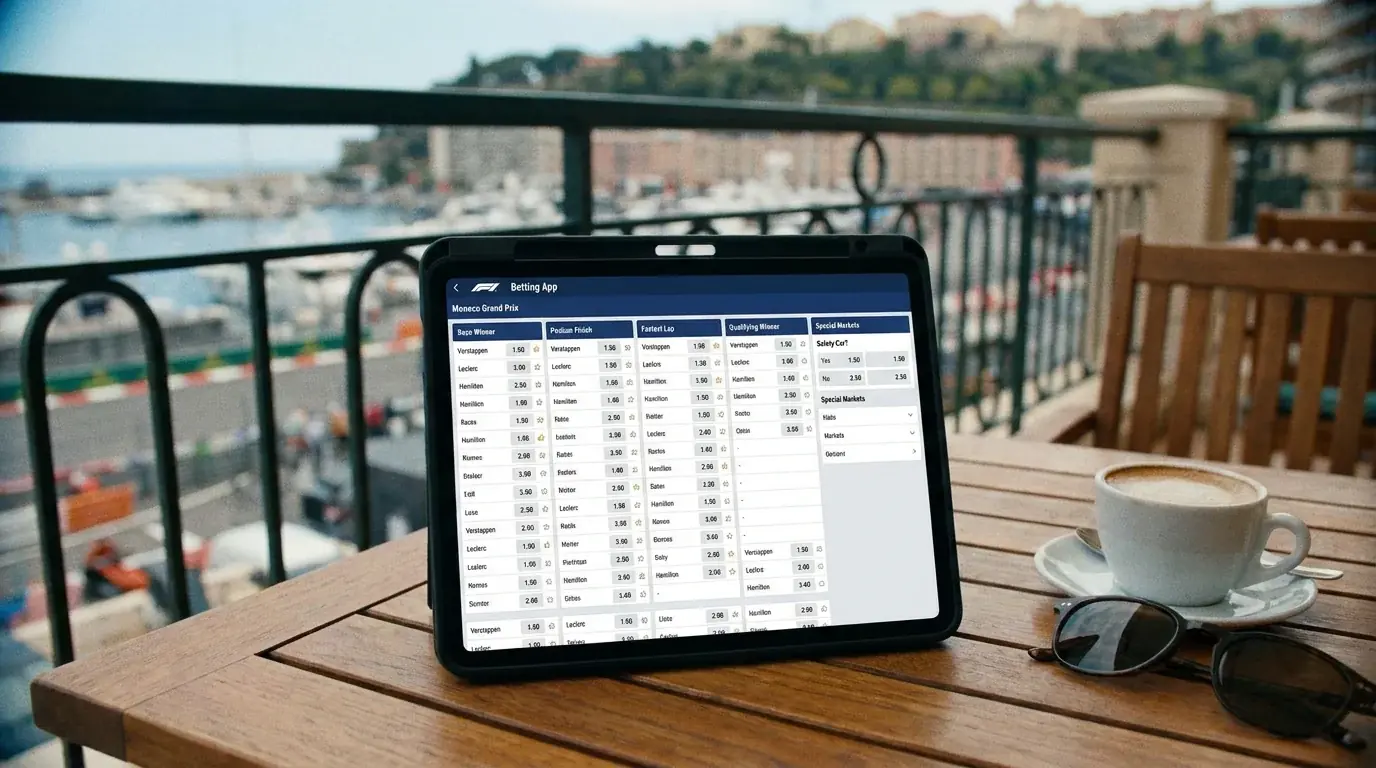
Market depth refers to how many F1-specific markets the app displays. Some apps bury motorsport beneath football, horse racing, and tennis, requiring four or five taps to reach the F1 section. Others feature F1 prominently during race weekends and offer the full range of markets – race winner, podium, qualifying, head-to-head, safety car, fastest lap, and bet builder – directly within the app. I want to see the same market depth on mobile that I’d get on the desktop site. Any market available on desktop but absent from the app is a deal-breaker for race-day use.
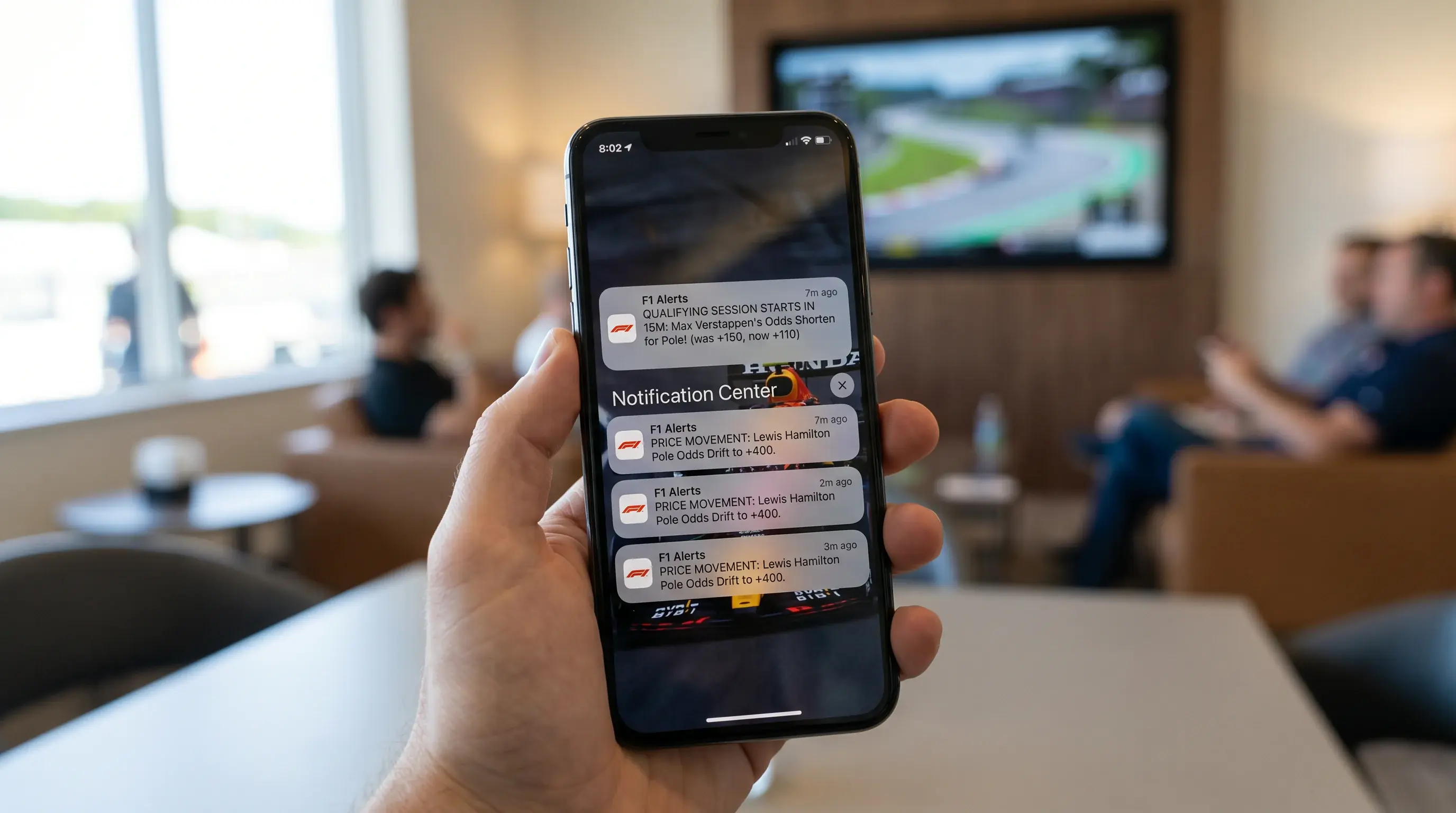
Push notifications complete the trinity. A well-configured app sends alerts for odds changes on markets I’ve bookmarked, in-play bet opportunities when specific conditions are met (race leader pits, safety car deployed), and settlement confirmations when my bets resolve. I configure my notifications to alert me to price movements on selected drivers before qualifying and before the race. These alerts have directly led to bets I wouldn’t have placed otherwise, because I wasn’t actively watching the market at the moment the price moved.
Live Betting on Mobile: Speed, Notifications and Market Access
Live F1 betting on a mobile app is the sharpest test of the interface. The race is happening in real time, the odds are updating continuously, and every second of delay between your decision and the bet being accepted is a second where the price might change. The apps that handle this well share a few common traits: they pre-load the in-play market so there’s no loading delay when the race starts, they queue your bet during brief suspension periods rather than rejecting it, and they provide a one-tap bet placement option for pre-set stakes.
The “quick bet” or “fast bet” feature – where you pre-set a stake amount and place the bet with a single tap on the odds – is the single most important mobile feature for F1 in-play betting. During a safety car period, I need to place a bet in under ten seconds before the odds shorten. Two-tap placement (select odds, confirm) is fast enough. Three or more taps (select odds, enter stake, scroll, confirm) often isn’t. I evaluate apps specifically on how few interactions are required to place an in-play bet.
Connectivity handling matters too. If you’re at the circuit – as half a million fans were at Silverstone in 2025 – the mobile network is congested. An app that fails gracefully when the connection drops, queues the bet for resubmission when connectivity returns, and doesn’t lose your bet slip data is significantly more useful than one that crashes or times out and forces you to rebuild from scratch.
Security, UKGC Compliance and Responsible Gambling Tools on Mobile
Every F1 betting app offered to UK users must be operated by a UKGC-licensed company. The licence number should be displayed in the app’s settings or about section – if you can’t find it, that’s a red flag. UKGC licensing means the operator is subject to regulatory oversight on fair odds, customer fund protection, dispute resolution, and responsible gambling provision.
On the security front, I check for biometric login (fingerprint or face recognition), which is both more secure and faster than typing a password every time I open the app during a race. Two-factor authentication on withdrawals is another feature I consider essential. The app stores sensitive financial information, and the convenience of mobile betting shouldn’t come at the cost of account security.
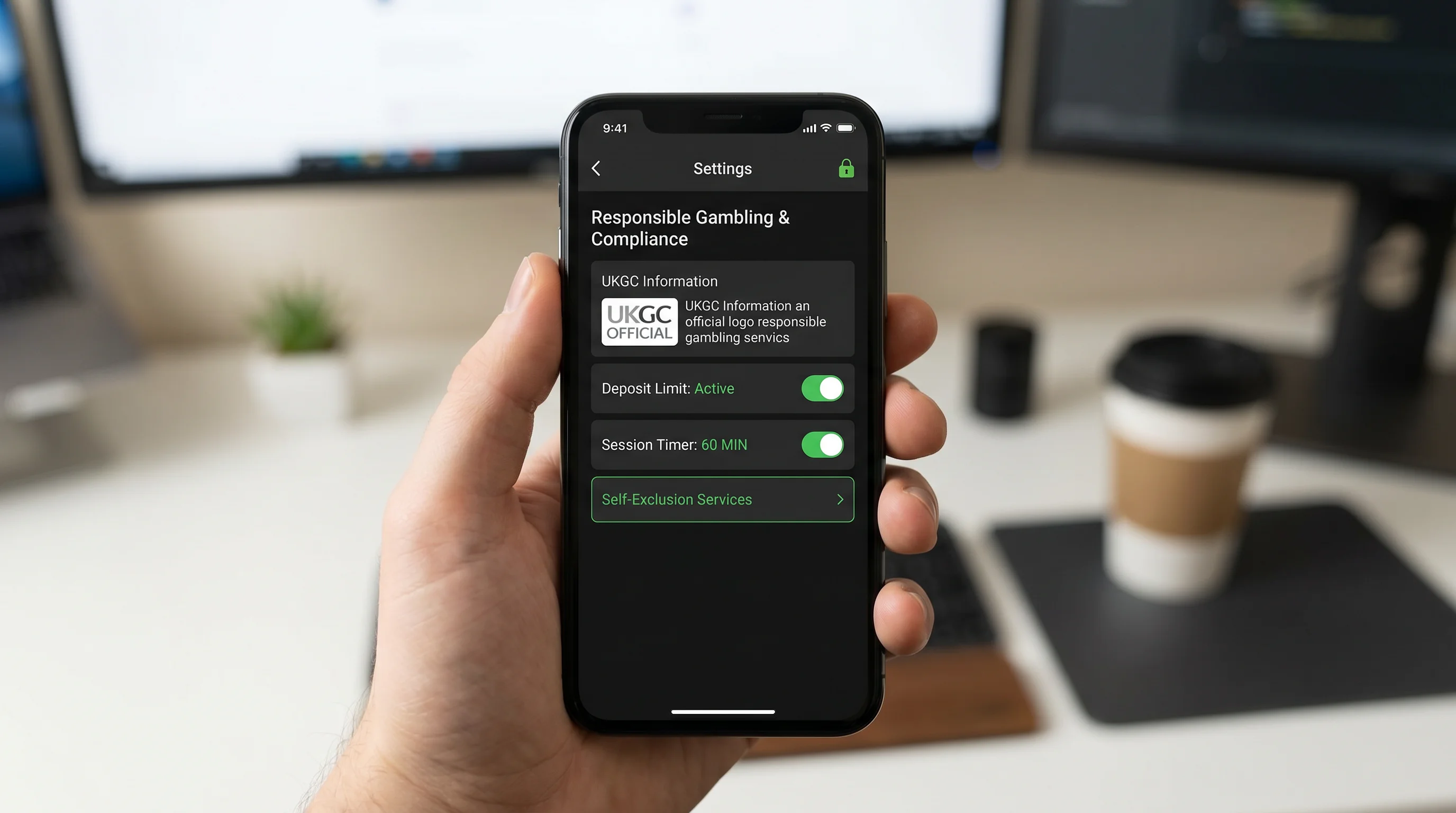
Responsible gambling tools must be accessible within the app, not buried in a web link that opens an external browser. Deposit limits, loss limits, session time reminders, and self-exclusion should all be configurable directly from the app’s settings. I test this on every app I use: can I set a deposit limit within three taps from the home screen? If the answer is no, the operator isn’t taking mobile responsible gambling seriously, regardless of what their marketing materials say. The broader bookmaker evaluation framework I use weighs mobile app quality heavily, because the app is where the actual betting happens – the desktop site is increasingly just a backup.
Can I place in-play F1 bets through a mobile app as fast as on desktop?
The best mobile apps match desktop speed for in-play F1 betting, with pre-loaded markets and one-tap bet placement. Some apps are actually faster than desktop for live betting because they’re optimised for quick interactions. The key is to use apps with a quick-bet feature that minimises the number of taps between selecting odds and confirming the bet.
Do F1 betting apps send push notifications for odds changes before a race?
Most major UK betting apps offer configurable push notifications, including alerts for odds movements on bookmarked markets. You typically need to enable notifications in the app settings and select which F1 markets or drivers you want to track. The specificity and responsiveness of notifications varies significantly between operators.
Are F1 betting apps available on both iOS and Android in the UK?
Yes. All major UKGC-licensed bookmakers offer native apps for both iOS and Android. iOS apps are available through the App Store, while Android apps are typically downloaded directly from the bookmaker’s website because Google Play has specific policies around gambling app distribution. Both platforms offer the same core functionality.
Published by the f1 Betting team.