F1 Grid Penalties and Betting: How Demotions Reshape the Odds
 Available in US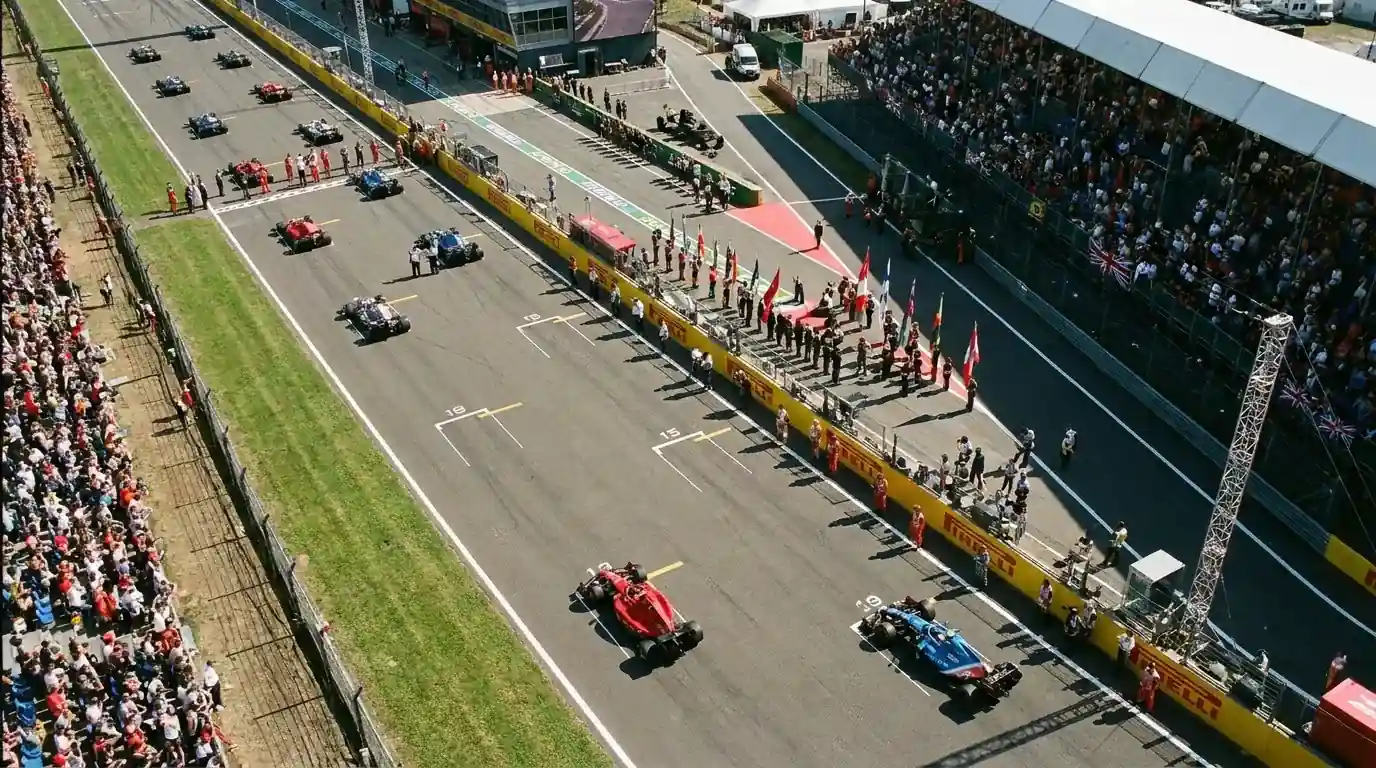
Spa 2022 taught me more about grid penalties than any rulebook ever could. Verstappen qualified first, took a grid penalty for exceeding his power unit allocation, started fourteenth, and won the race by seventeen seconds. I’d taken him at 5/4 to win despite the penalty – a price that reflected the market’s overreaction to a starting position that meant nothing at a circuit where his car was dominant. Grid penalties create some of the most reliable pricing inefficiencies in F1 betting, and understanding them is worth real money across a season.
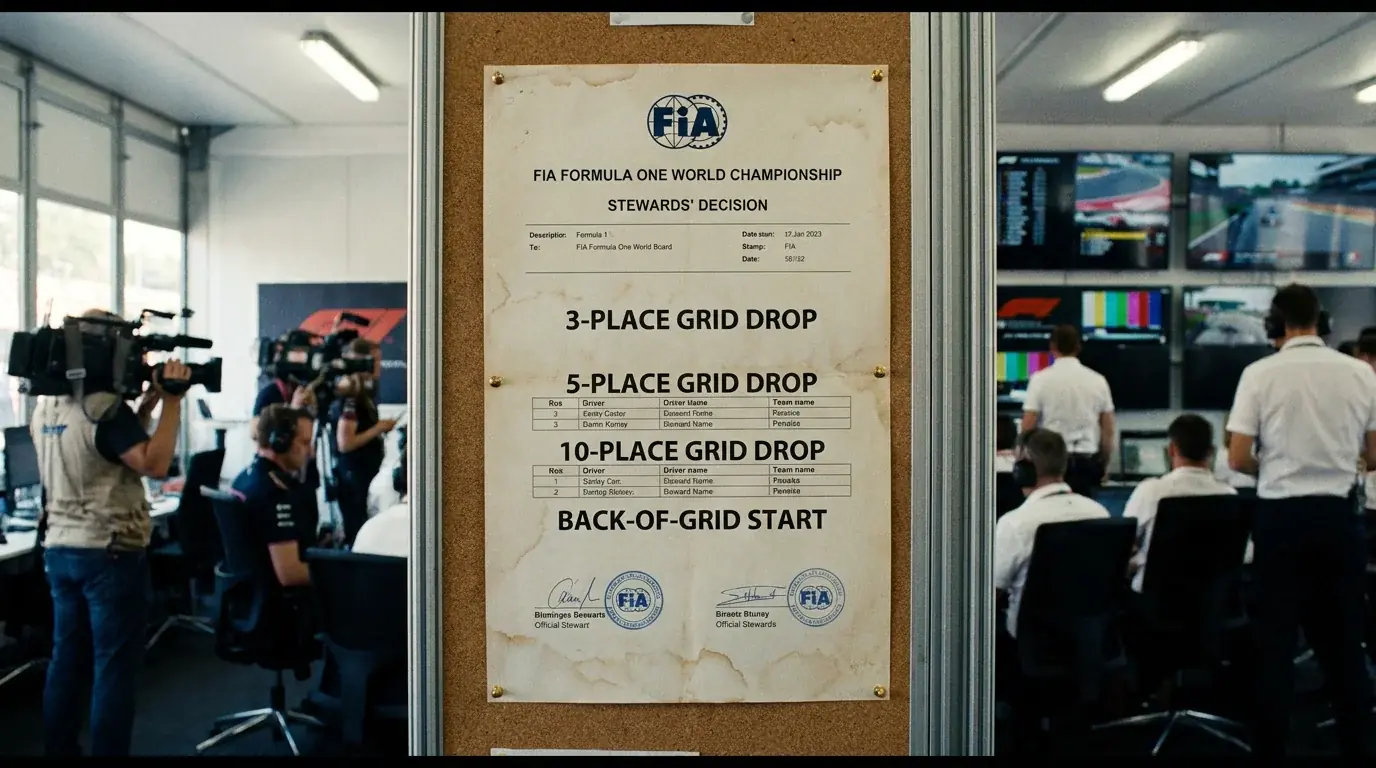
A grid penalty moves a driver back from their qualifying position on the starting grid. Penalties come from various sources: exceeding the season’s component allocation for power units or gearboxes, impeding another driver in qualifying, causing a collision in a previous race, or failing scrutineering after qualifying. The scale ranges from three places to a full back-of-grid start. What matters for betting is the gap between where the driver qualifies, where they start, and where they’ll realistically finish.
Why Bookmakers Overreact to Grid Drops
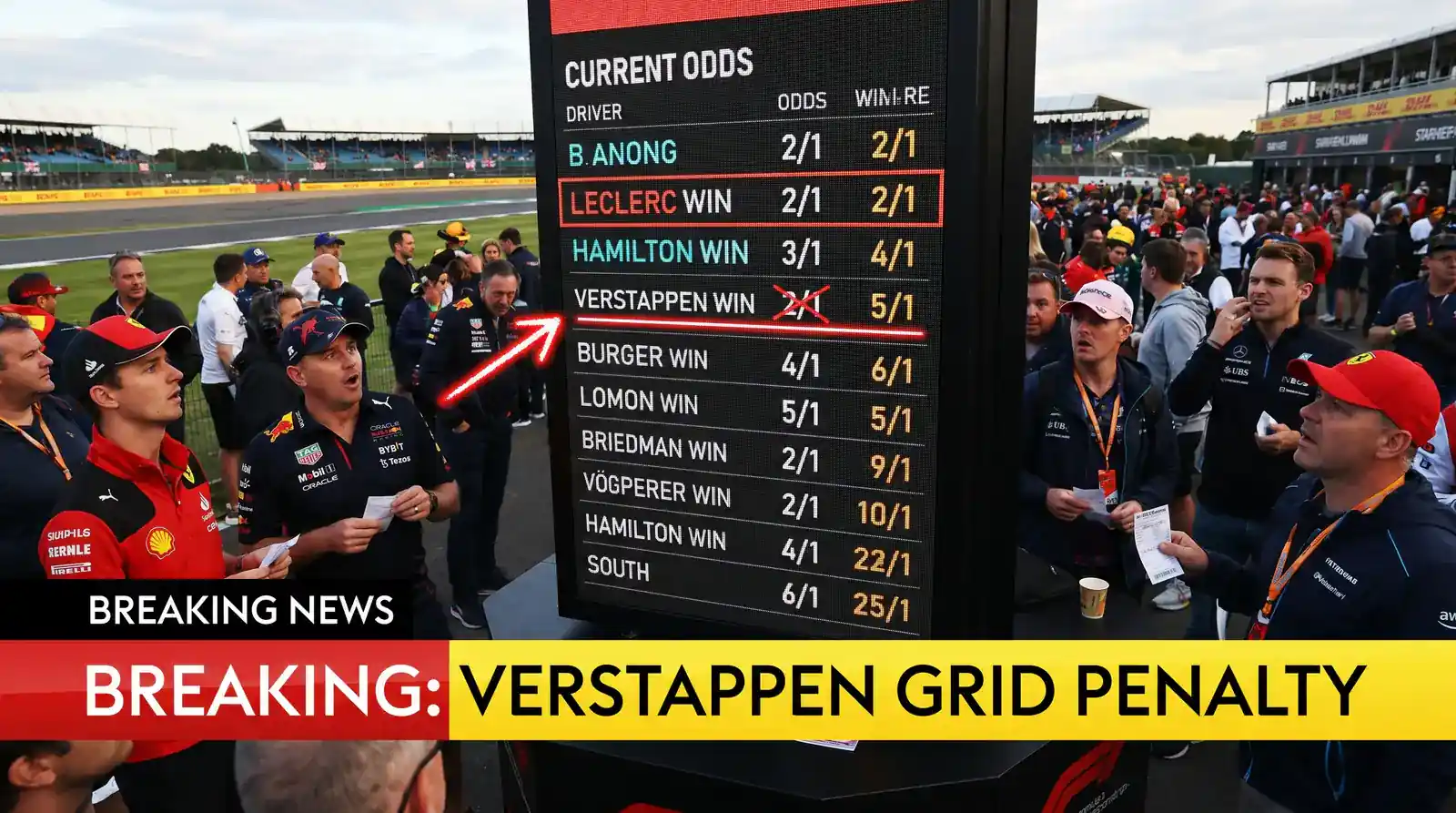
The knee-jerk pricing response to a grid penalty is almost always excessive. When a top-three driver takes a ten-place grid penalty, their odds drift significantly – sometimes from 2/1 to 5/1 or further. The market treats the penalty as though it removes the driver’s pace advantage entirely. It doesn’t. The penalty changes the starting position, not the car’s speed. A driver whose car is two seconds per lap faster than the midfield will carve through the field regardless of where they start.
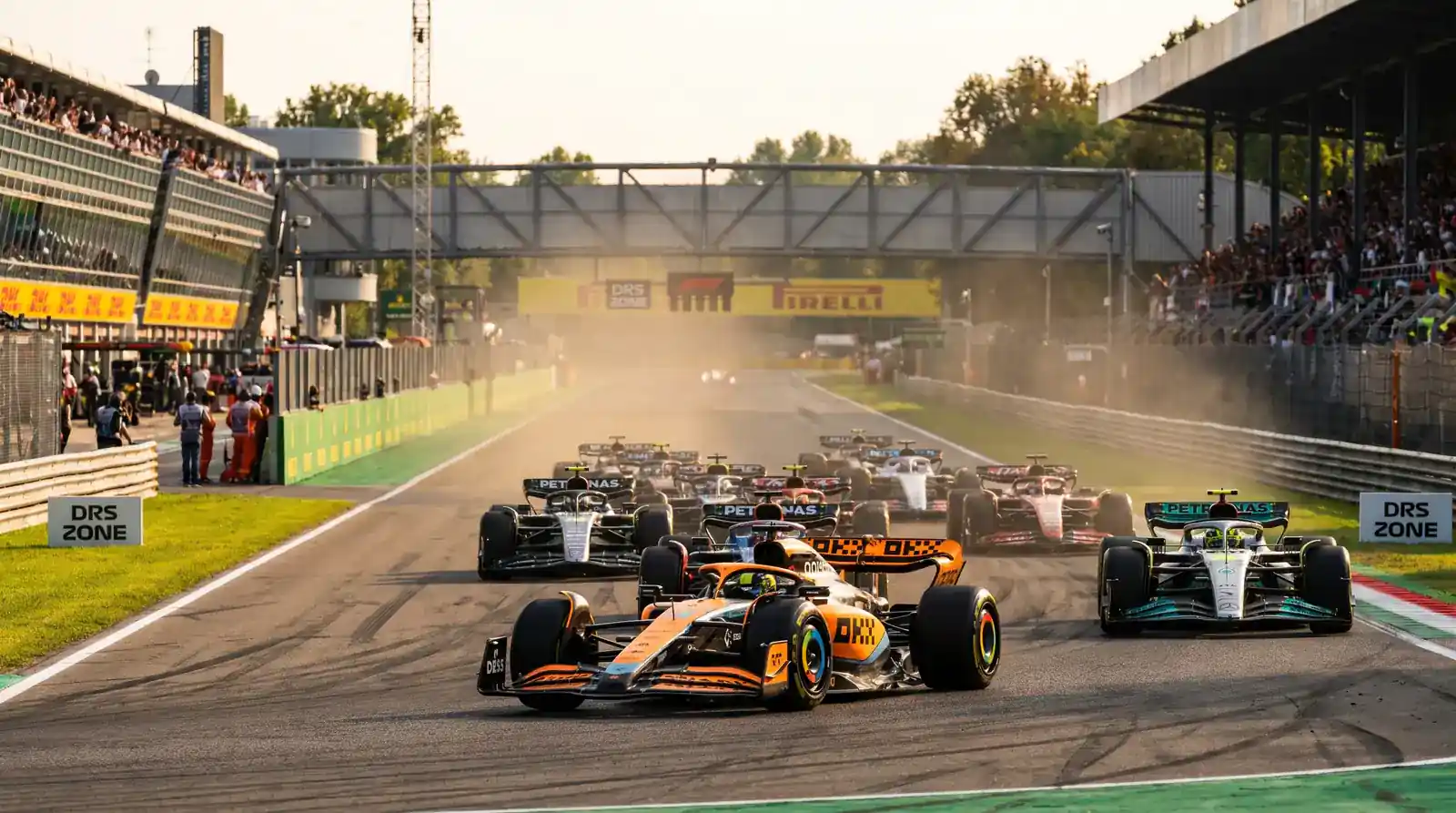
I track recovery rates – the number of positions a driver typically gains from their grid position to the finish – across different circuits. At high-speed circuits with long straights and clear overtaking zones like Spa, Monza, and Bahrain, top drivers with grid penalties recover an average of ten to fifteen positions. At tight street circuits like Monaco, Baku, and Singapore, the recovery is minimal, sometimes only two or three places. The circuit type determines whether a grid penalty is a genuine handicap or a cosmetic inconvenience.
F1 generates around 700 data points per second from each car during a session, and the teams know within a handful of laps exactly where a penalised driver will end up. The public doesn’t have that telemetry, but the qualifying data and free practice pace provides a strong proxy. If a driver’s long-run pace in practice was half a second faster than the midfield, a ten-place grid penalty at a circuit with DRS zones and braking overtaking opportunities translates to a finish position far higher than their starting slot.
Strategic Penalties: When Teams Choose the Drop
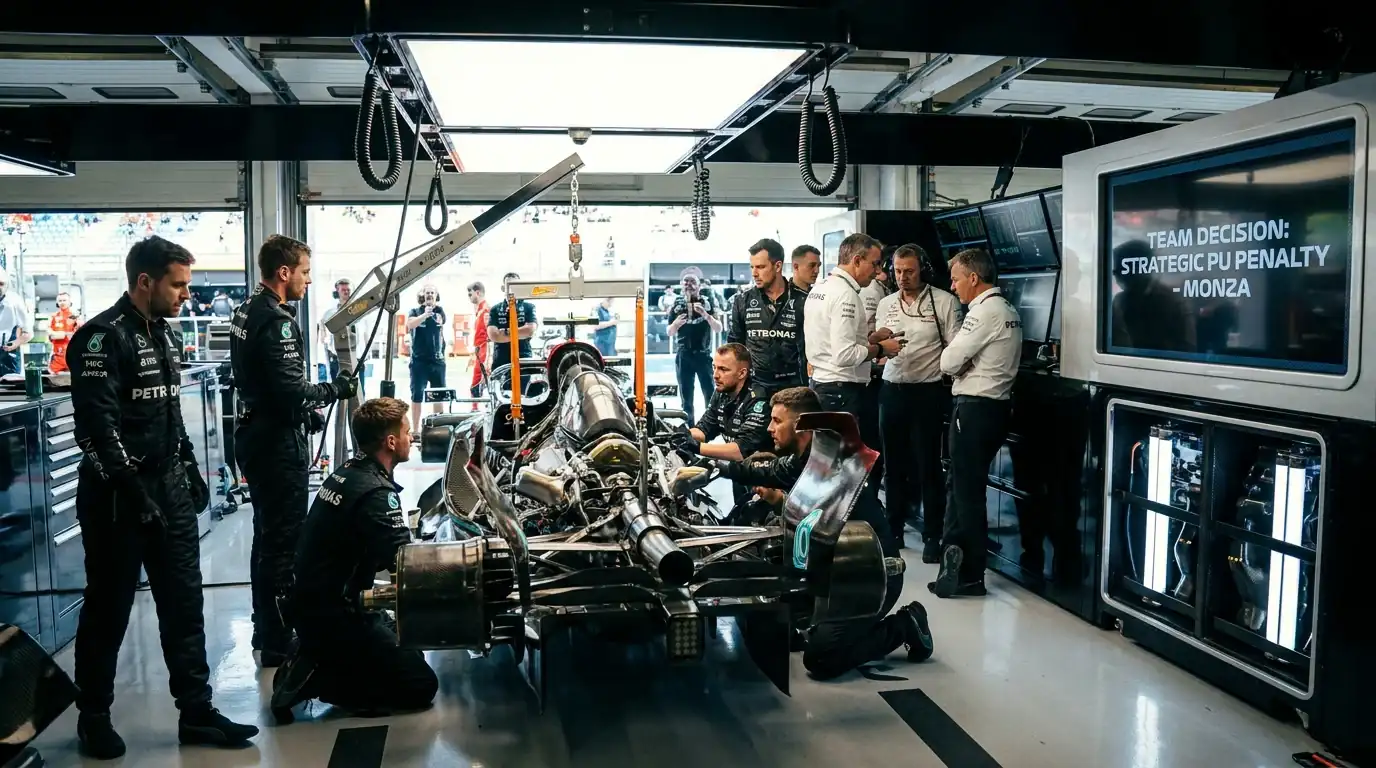
Some grid penalties are involuntary. Others are deliberate. Teams often choose to take power unit penalties at circuits where the starting position matters least – the high-speed tracks where overtaking is straightforward. This strategic calculation happens at least once per season for most teams, and it creates a predictable pattern of value.
When a team announces a strategic penalty before qualifying, the market adjusts the driver’s odds immediately. But the adjustment is usually too large. The team has chosen this specific race because they believe the penalty’s impact will be minimal. They have the data, the simulations, and the engineering analysis to make that call. By following the team’s logic – they wouldn’t take the penalty here if they expected it to cost them significantly – you can fade the market’s overreaction with confidence.
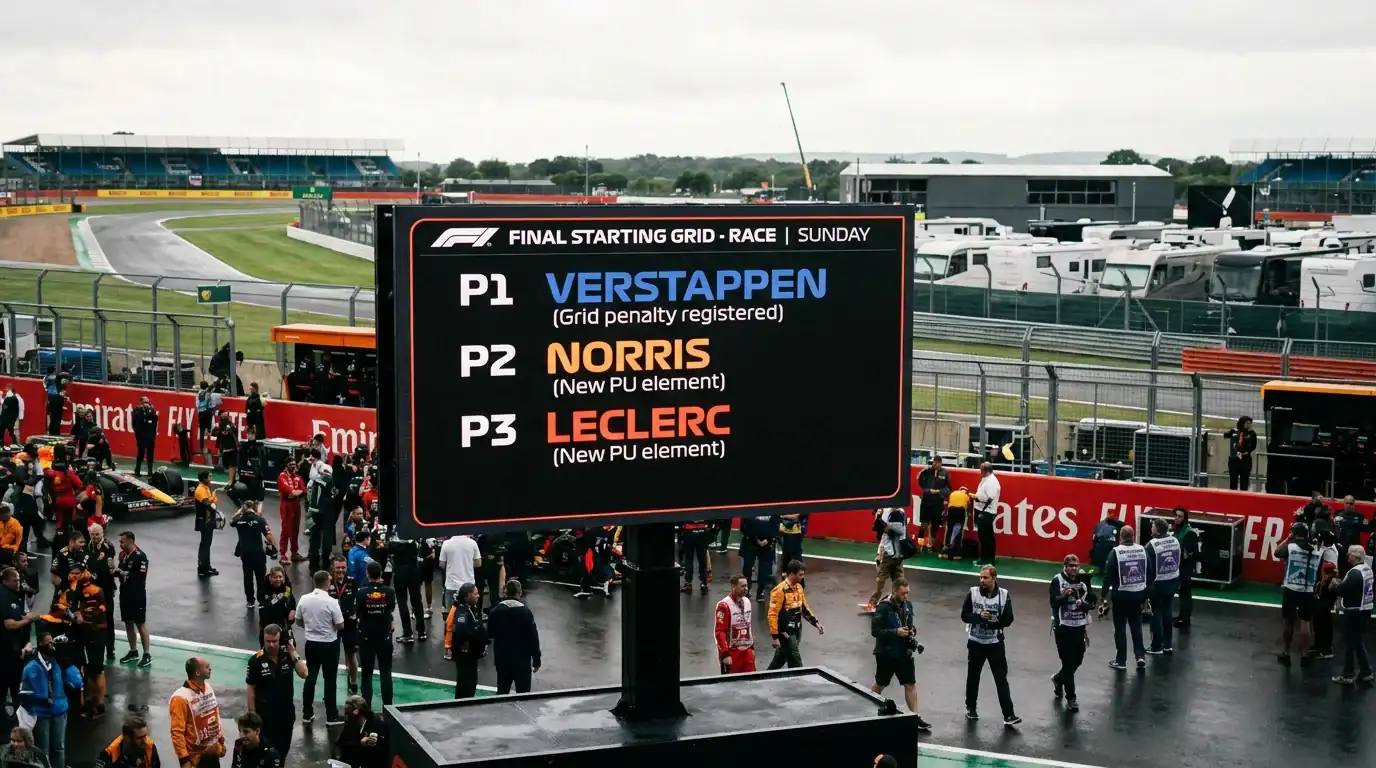
The timing of the penalty announcement matters. Penalties announced before qualifying give the market time to adjust, and the odds may settle at a level that still offers value but less dramatically than in the first hour after the news breaks. Penalties confirmed after qualifying – when the official grid is published – often move the odds more sharply because the market had priced the pre-penalty qualifying position as the starting position. The sharpest value window is the sixty to ninety minutes between the grid publication with penalties applied and the race start, when the odds have overreacted but haven’t yet been corrected by sharper money flowing in.
Penalty Types and Their Market Impact
Not all penalties carry equal weight in the betting market. A three-place grid drop for impeding in qualifying barely changes odds for a front-running driver at most circuits. A ten-place penalty shifts odds significantly. A full back-of-grid penalty creates the largest price movement and, often, the largest mispricing.
Back-of-grid penalties are where I’ve found the most consistent value over multiple seasons. A championship-contending driver starting last at a high-overtaking circuit is routinely priced at 6/1 or longer to win the race. The true probability, based on historical recovery rates and the car’s pace advantage, is closer to 25-30% at favourable circuits – implying fair odds of around 5/2 to 3/1. That’s a significant gap from the 6/1 available, and it repeats predictably whenever a top driver takes an engine penalty at Spa, Monza, or similar venues.
Cumulative penalties in a single weekend – where a driver receives both a power unit penalty and a separate penalty for, say, a gearbox change – don’t stack in the way some punters expect. If two penalties total more than twenty places, the driver simply starts last. The odds don’t move proportionally to the raw number of penalty places, but some bookmakers’ automated pricing models treat a twenty-five-place penalty as worse than a twenty-place penalty, even though both result in the same starting position. That mechanical pricing error creates small but exploitable edges.
Reading the Revised Grid Before Race Day
The provisional grid published by the FIA after qualifying is not the starting grid. Penalties, pitlane starts, and parc ferme infringements can all alter the order. I make it a practice to wait for the official starting grid – published approximately two hours before the race – before placing any bets that depend on starting position. The weather conditions on race day also interact with grid penalties in important ways: a wet race neutralises the overtaking advantage at some circuits while amplifying it at others.
The 290 million online sports bets placed monthly by UK punters include a growing share of F1 wagers, and grid penalty weekends consistently produce above-average betting volumes. The market is learning, but it hasn’t fully caught up. The systematic overpricing of penalised top drivers at overtaking-friendly circuits remains one of the most reliable edges in F1 betting, provided you do the circuit-specific homework rather than treating every penalty identically.
Do grid penalties affect qualifying bet settlement?
No. Qualifying bets are settled on the official qualifying classification, not the starting grid. A driver who qualifies fastest but receives a grid penalty still counts as the qualifying winner for settlement purposes. Grid penalties only affect the starting grid, which is a separate consideration from qualifying results.
Why do top drivers sometimes deliberately take grid penalties?
Teams strategically choose to exceed power unit component limits at circuits where starting position matters least – typically high-speed tracks with good overtaking opportunities. The fresh components provide a performance and reliability advantage for subsequent races, and the team calculates that the penalty will cost minimal race positions at that specific circuit.
How quickly do betting odds change after a grid penalty is announced?
Odds typically shift within minutes of a penalty announcement, with the largest movement in the first hour. The sharpest overreaction – and therefore the best value window – usually occurs in the sixty to ninety minutes after the official grid with penalties is published. Odds gradually correct as sharper bettors exploit the mispricing.
Prepared by the f1 Betting editorial staff.