F1 Fastest Lap Betting: How the Final-Stint Gamble Shapes This Market
 Available in US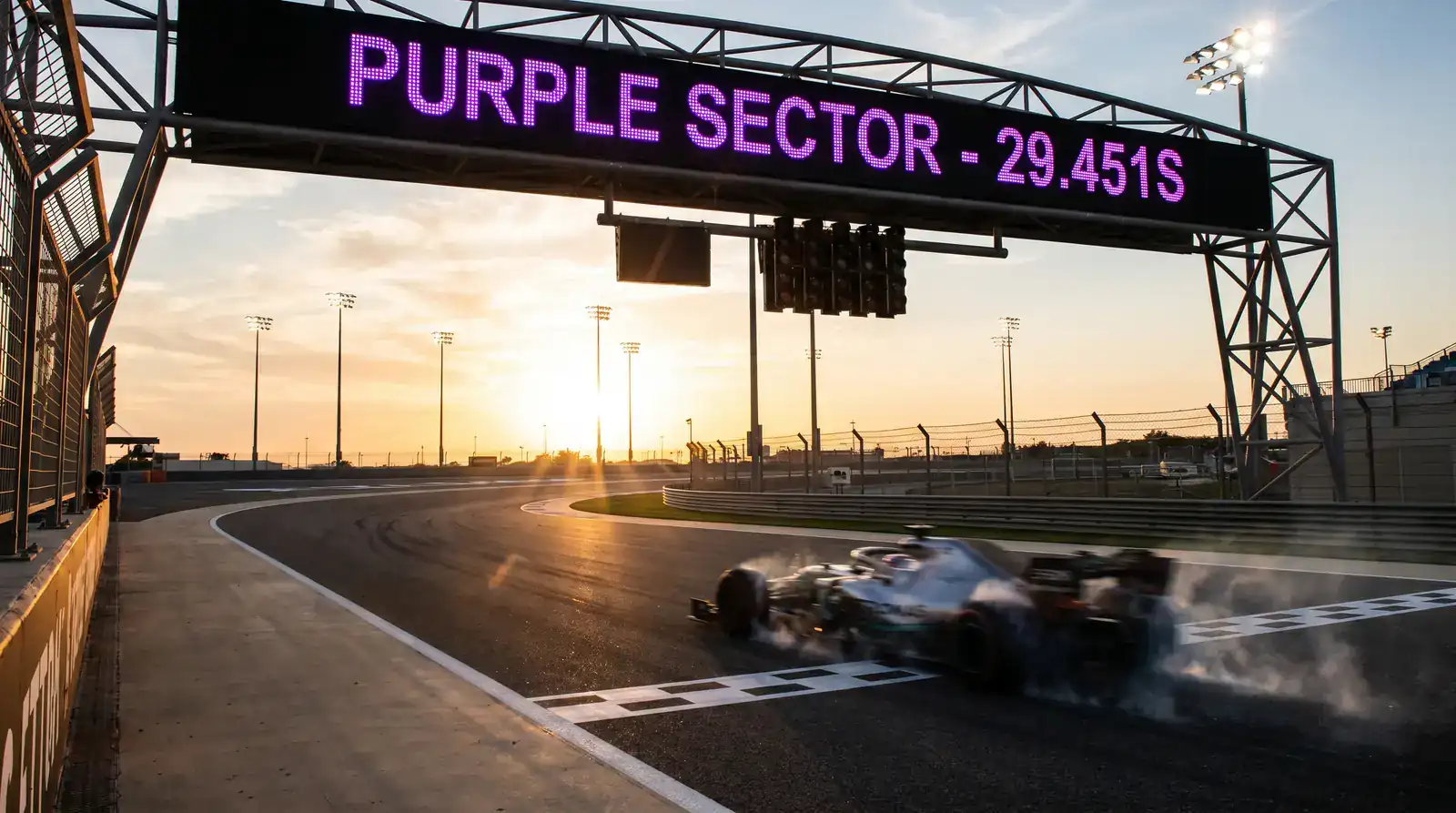
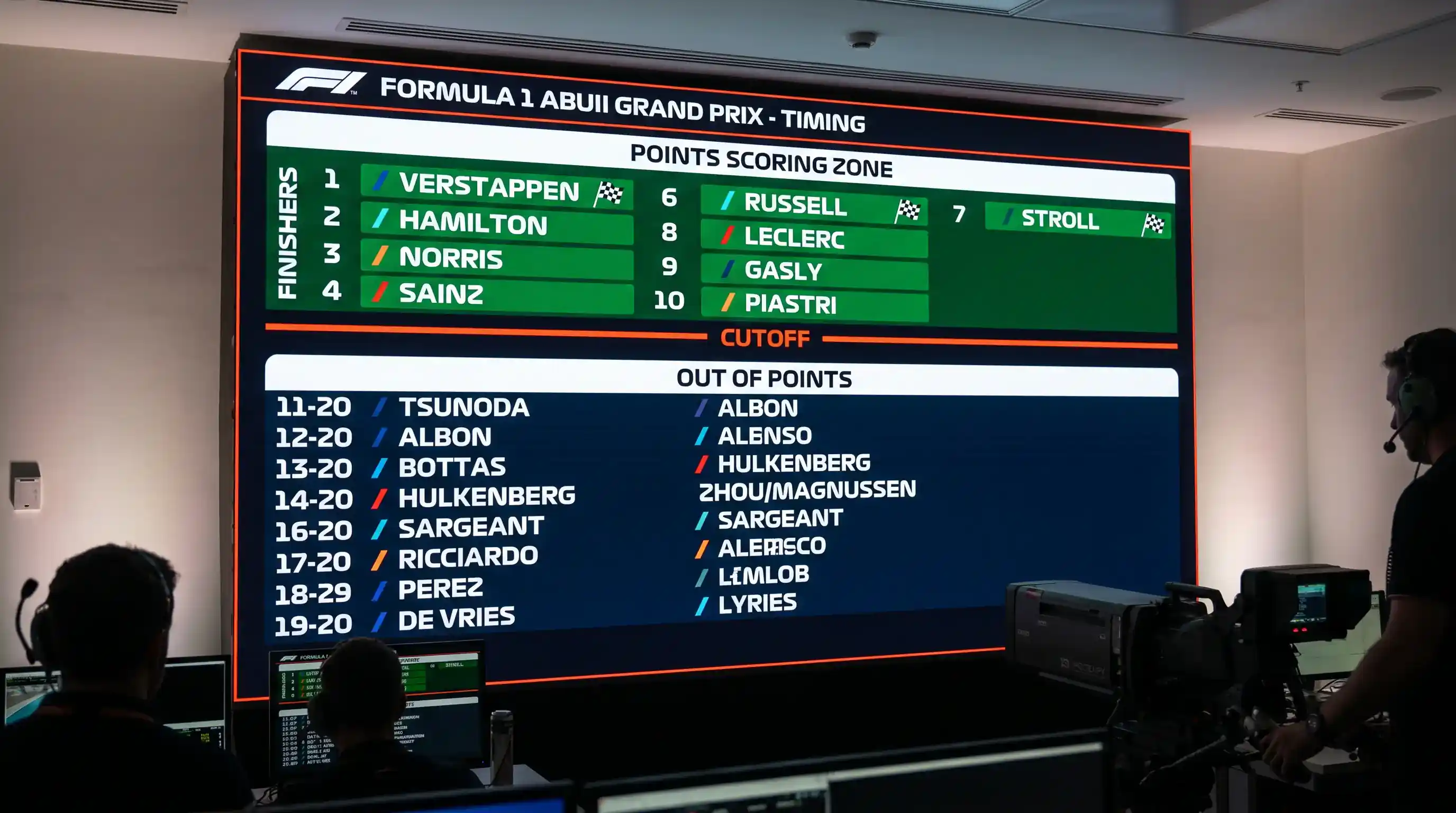
Lewis Hamilton pitting for fresh soft tyres on the final lap of the 2019 Abu Dhabi Grand Prix to snatch the fastest lap bonus point – that moment changed this market permanently. Before the championship point was reintroduced, fastest lap bets were almost an afterthought. Now they’re one of the most tactically interesting wagers in F1, because teams actively sacrifice track position to chase a single point that can decide championships.
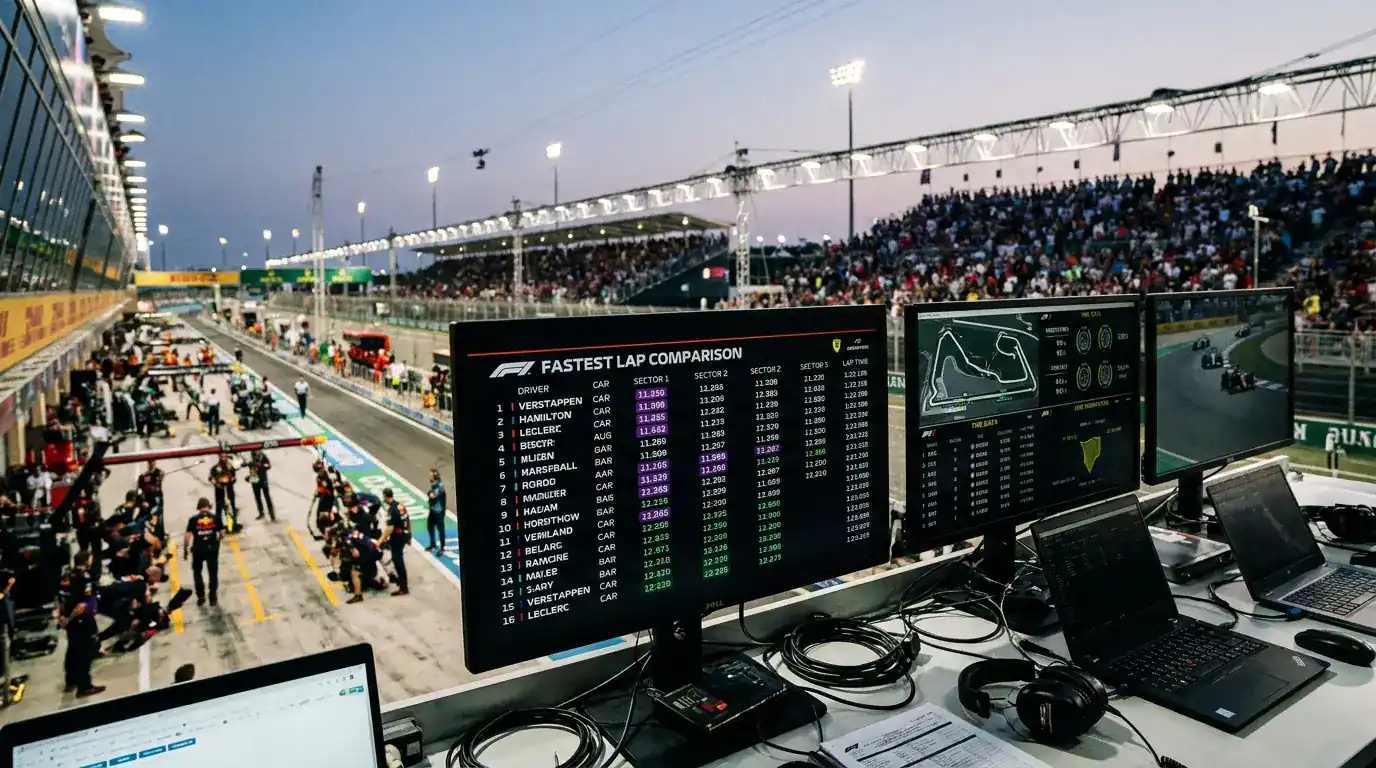
Fastest lap betting is a market where you back a specific driver to record the quickest individual lap time during the race. Settlement is based on the official FIA timing data, and the fastest lap must be set by a driver who finishes in the top ten for the championship point to be awarded – though for betting purposes, most bookmakers settle on whoever records the fastest lap regardless of finishing position. That distinction is crucial, and I’ll get to why it matters.
How Fastest Lap Odds Are Set and Settled
The pricing of fastest lap markets follows a different logic than race winner or podium markets. Every car on the grid generates roughly 700 data points per second during a race, and the timing data from practice sessions gives bookmakers a baseline for each driver’s single-lap pace. But fastest lap in the race depends less on raw pace and more on circumstance: who pits late, who runs fresh soft tyres in the closing laps, and who has enough of a gap to their nearest rival to afford a “free” pit stop without losing position.
Bookmakers typically open fastest lap markets on Thursday before a race weekend, with prices based on historical patterns and team pecking order. The favourite for fastest lap is usually the driver expected to dominate the race – the logic being that a driver running at the front with a large gap has the luxury of pitting for fresh tyres late in the race. Odds on the favourite tend to sit between 2/1 and 7/2, while midfield drivers with strong single-lap pace might be priced at 8/1 to 20/1.
Settlement rules vary between operators, and this is the detail most punters overlook. Some bookmakers settle fastest lap bets on the FIA’s official fastest lap classification, which means any driver who sets the fastest lap counts – even one who finishes outside the top ten and doesn’t receive the championship point. Other operators specifically state that the fastest lap must be set by a driver who finishes in the top ten, mirroring the sporting regulations for the bonus point. I’ve had bets settled differently on the same race at two different bookmakers because their rules diverged on this point. Always check before placing.
The Fastest Lap Point and Its Effect on Driver Behaviour
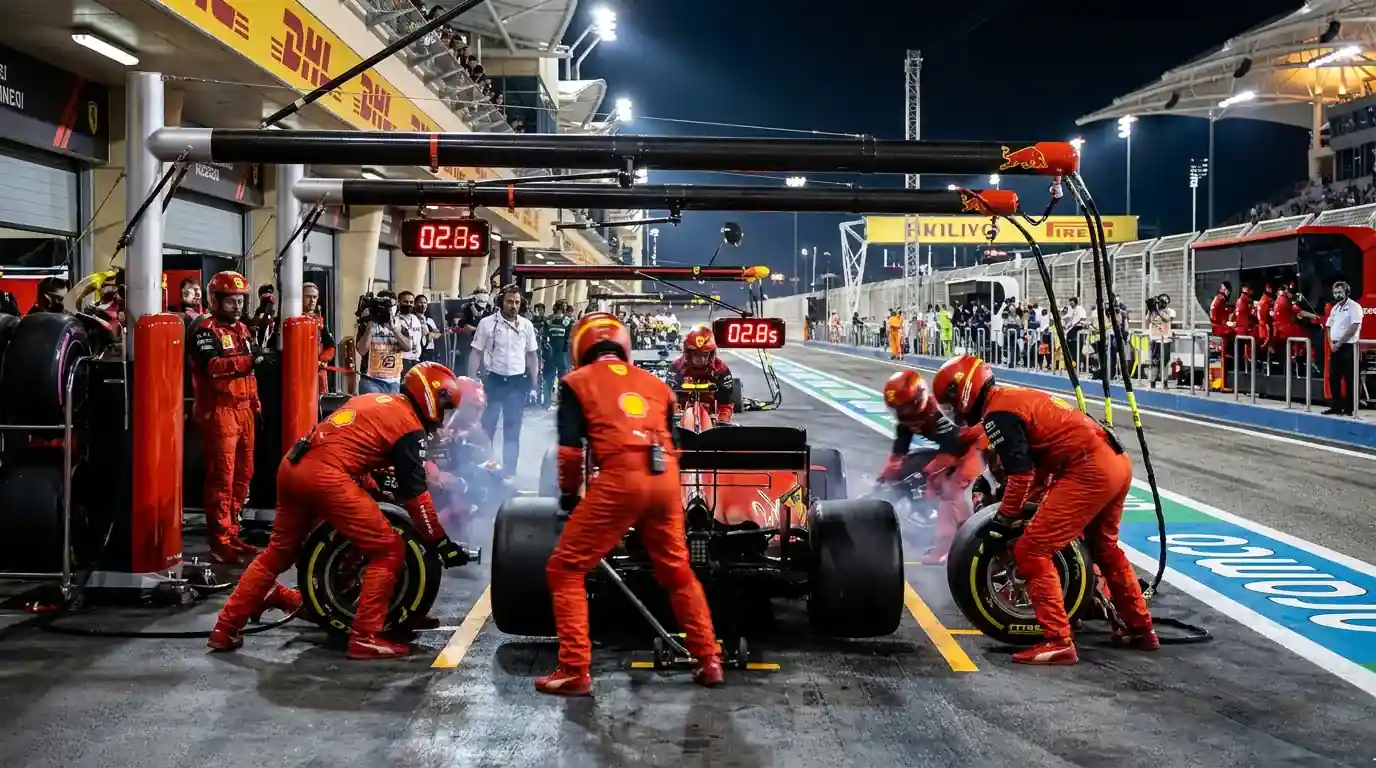
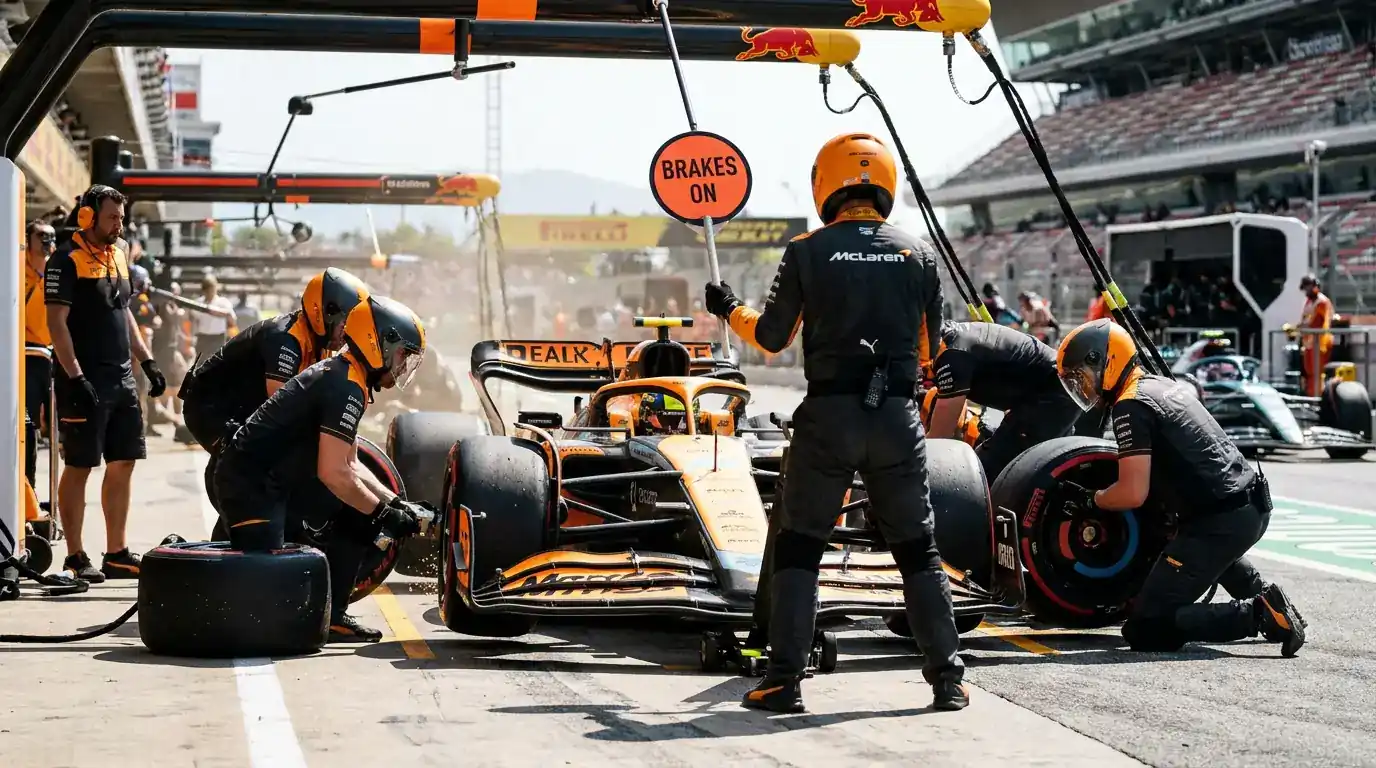
When F1 reintroduced the bonus championship point for fastest lap in 2019, it transformed the final laps of nearly every Grand Prix. Teams now routinely sacrifice track position by pitting a driver who is running in the top ten with a comfortable gap, fitting fresh soft tyres, and sending them out to attack the fastest lap. The 2025 season, with its record 6.7 million total race attendance across 24 rounds, saw this tactic deployed at virtually every race – sometimes by multiple teams simultaneously.
This behavioural shift creates a predictable pattern that fastest lap bettors can exploit. The driver most likely to set the fastest lap is not necessarily the fastest driver on the grid – it’s the driver in the best strategic position to make a late pit stop without consequence. A driver running a comfortable fourth or fifth, with no threat from behind and no realistic chance of catching the driver ahead, is the ideal candidate. Their team has every incentive to pit them for softs and grab the bonus point because the position cost is zero.
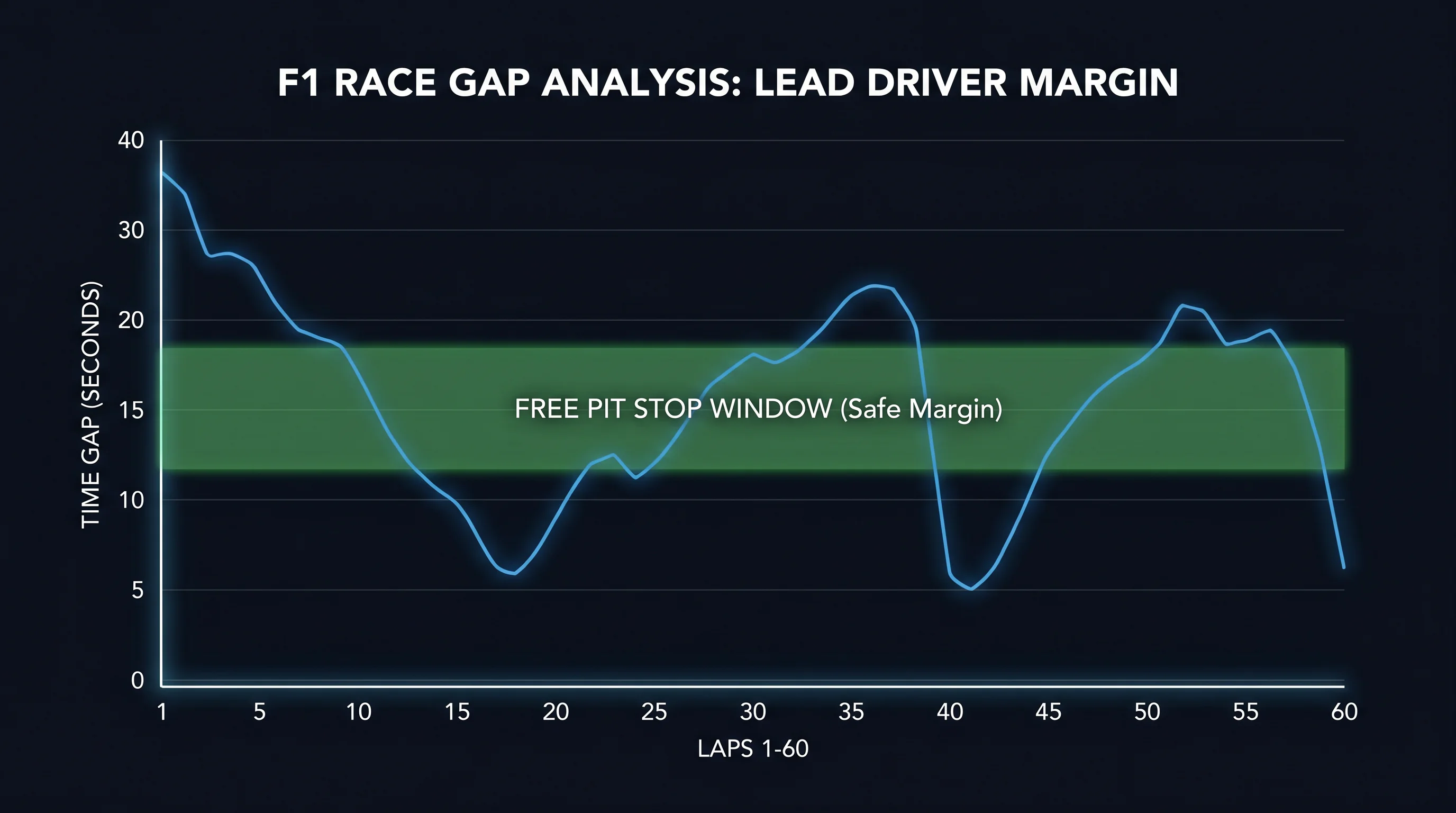
I track “free pit stop windows” through the final third of every race. If a driver has a gap of more than 25 seconds to the car behind and no realistic chance of overtaking the car ahead, they’re in a free stop window. When multiple drivers are in this position, the fastest lap becomes a mini-competition within the race – and the odds often don’t reflect the probability that one of these drivers, rather than the race leader, will set it.
Final-Stint Patterns: Fresh Tyres, Low Fuel and Track Position
Three variables determine fastest lap outcomes, and they interact in ways that create value for attentive punters. Fresh soft tyres provide the largest single-lap advantage – typically 1.5 to 2.5 seconds faster than worn hard tyres in the closing laps. Low fuel load amplifies this: a car in the final five laps carries roughly 5 kilograms of fuel compared to over 100 kilograms at the start, shaving several tenths per lap from weight alone. Track position determines who can exploit these advantages without losing race classification places.
The pattern I’ve observed across the past three seasons is that fastest lap is set in the final ten laps of the race approximately 75% of the time. This makes sense given the fuel-burn advantage and the strategic incentive to pit late for softs. But the exceptions are informative: safety car periods can create opportunities for mid-race fastest laps when drivers emerge from the pits on fresh rubber into clean air. A driver who pits under a safety car on lap 30 of a 55-lap race can set a fastest lap that stands for the remainder of the event if conditions change – rain arrives, the track rubbers in differently, or another safety car compresses the field.
My strategy is to wait for practice data before committing to fastest lap bets. The long-run pace from FP2 – typically run on Friday afternoon – shows which cars degrade their tyres least aggressively. Low degradation means a driver on fresh softs in the final stint will have a larger delta over the rest of the field, increasing their probability of fastest lap. Combining this with qualifying data – which reveals single-lap pace – gives a more complete picture than either metric alone. The broader strategic framework I use for F1 betting incorporates fastest lap as one component of a data-driven race weekend assessment, not as an isolated bet.
The market I watch most closely is the fastest lap price on drivers expected to finish fourth through sixth. These are the positions most likely to yield a “free” pit stop opportunity, and the odds typically range from 6/1 to 14/1 – considerably more generous than the 2/1 to 7/2 on the race leader who may not need to pit for fresh tyres. The value sits in the midfield, just as it does in most F1 betting markets.
Does the driver need to finish in the top ten for the fastest lap to count in betting?
It depends on the bookmaker. Some operators settle on whoever records the fastest lap regardless of finishing position, while others require a top-ten finish to mirror the FIA championship point rules. Check your bookmaker’s specific fastest lap settlement terms before placing.
How often does the race winner also set the fastest lap?
The race winner sets the fastest lap in roughly 30-40% of races in recent seasons. The trend has shifted as more teams use late pit stops to chase the bonus point, meaning drivers finishing fourth to sixth now account for a significant share of fastest laps. Strategic circumstances matter more than outright pace.
Can you bet on fastest lap in-play during an F1 race?
Some UK bookmakers offer fastest lap as an in-play market, though availability is less consistent than for race winner or podium markets. The odds shift significantly during safety car periods and after late pit stops. Check your operator’s live betting menu during the race to confirm availability.
Created by the ”f1 Betting” editorial team.