F1 Qualifying Betting: Session-by-Session Markets Beyond Pole Position
 Available in US
Most punters think qualifying betting starts and ends with pole position. I thought the same until I started digging into the elimination rounds. At the 2023 Singapore Grand Prix, I backed a Williams driver to be the last car eliminated in Q1 at 5/1 – a market so niche that only three bookmakers offered it. The bet landed because I’d tracked that specific car’s pace relative to the Q1 cutoff all season and knew they were consistently within a tenth of the elimination line. That five-to-one return came from a market that 99% of punters don’t even know exists.
Qualifying betting covers a range of markets tied to the Saturday session outcomes – everything from pole position to Q1 elimination matchups, session-specific group bets, and head-to-head qualifying comparisons. The growth in qualifying viewership – up 22.8% year-on-year in 2025 – has pushed bookmakers to expand their qualifying market menus, and the depth is now substantial enough to support a dedicated qualifying betting strategy separate from race-day punting.
Q1 Elimination, Qualifying Match Bets and Top-N Markets
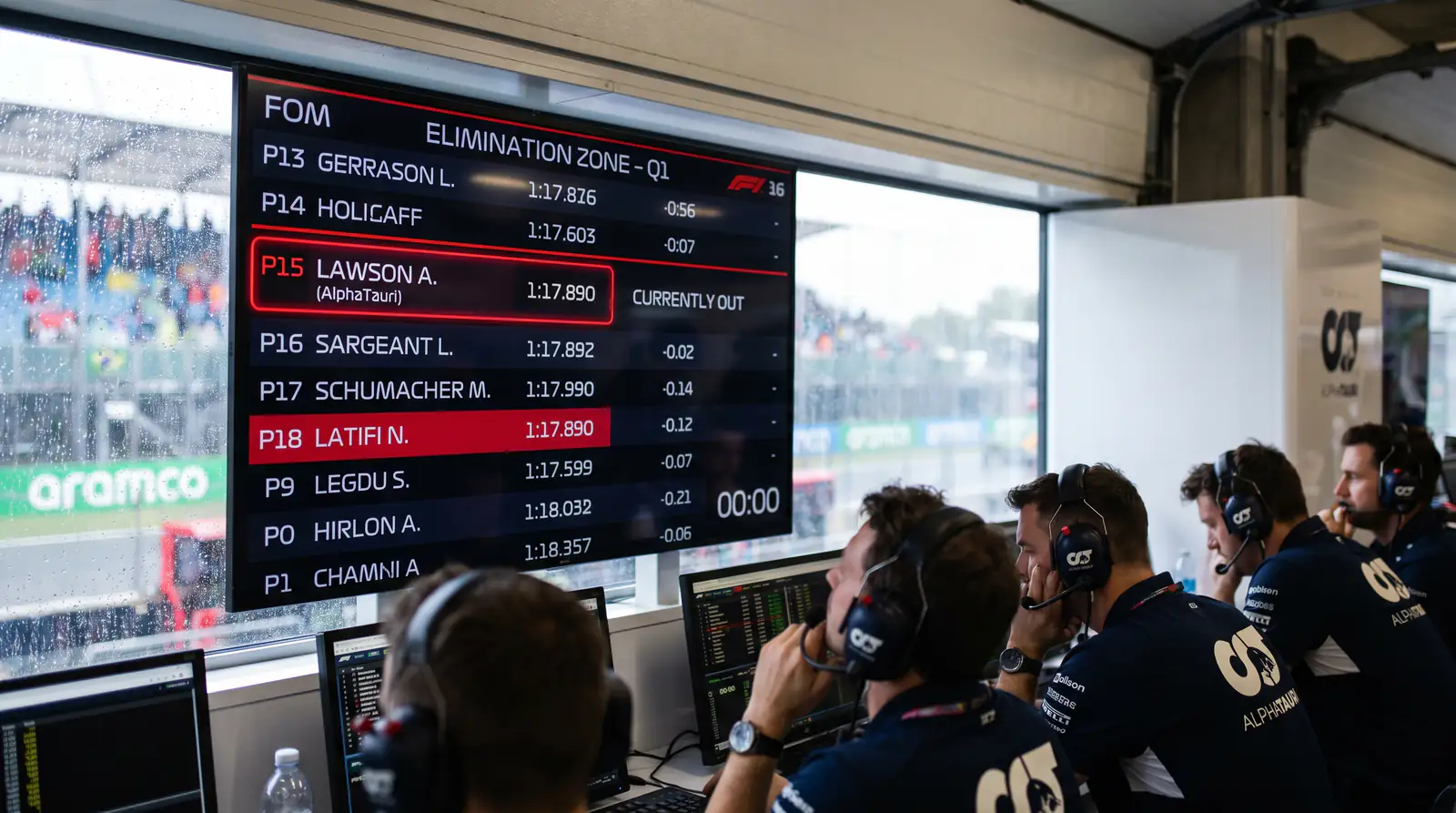
Q1 elimination bets are my favourite qualifying market because they reward granular knowledge that the wider market ignores. In Q1, the bottom five drivers are eliminated. The market lets you bet on which specific driver will be eliminated, which team will have a car knocked out, and sometimes the exact cutoff time. The odds are generous because the market is thin – fewer punters bet on Q1 than on pole position, which means bookmaker pricing is less refined.
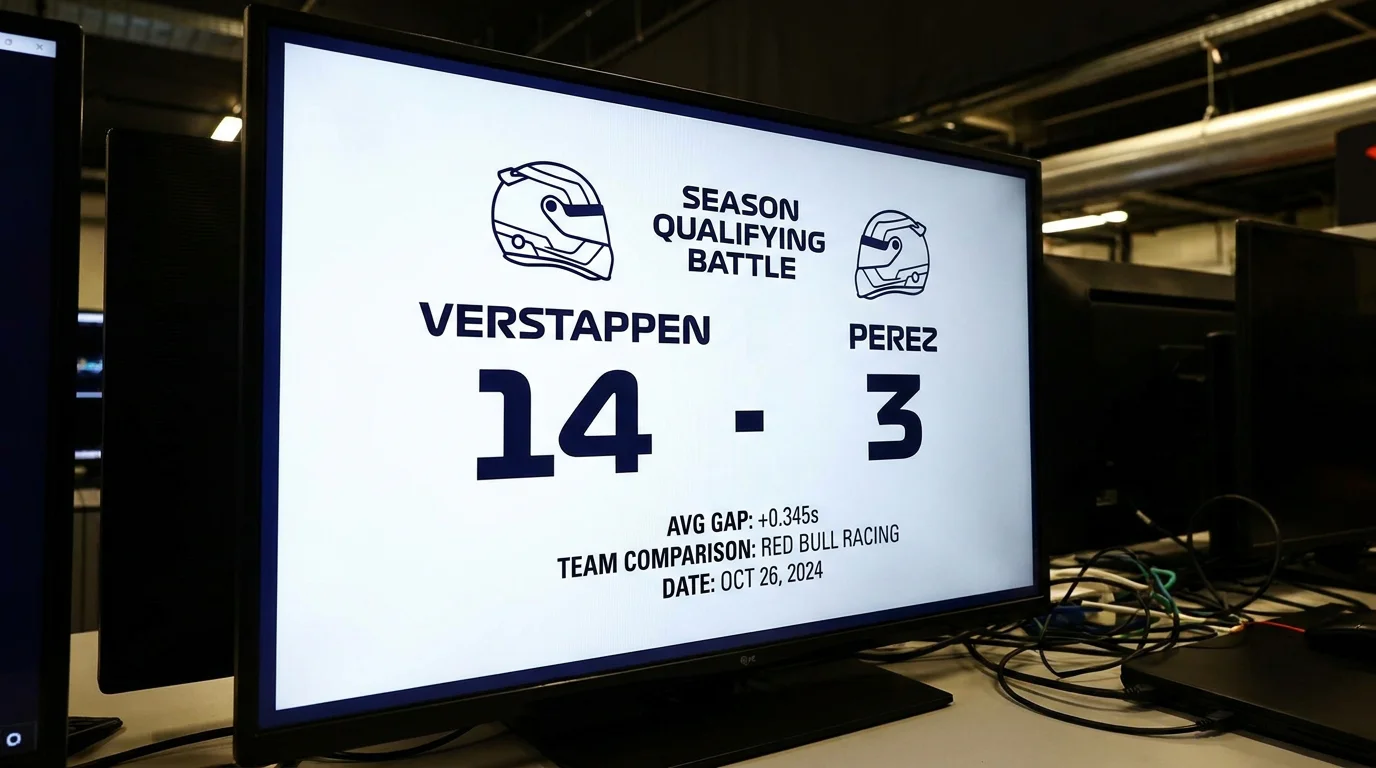
Qualifying match bets work like race-day head-to-heads but are settled on qualifying positions. Teammate qualifying matchups are the most common, and I find them more predictable than race-day equivalents because qualifying isolates single-lap pace without the noise of pit strategy, tyre management, or race incidents. The driver who is genuinely faster over one lap tends to out-qualify their teammate consistently, and qualifying match bet records within teams often show lopsided ratios – 14-5 or 17-3 across a season. Backing the stronger qualifier at odds that don’t reflect this dominance is steady, low-variance income.

Top-N qualifying markets let you bet on a driver qualifying in the top three, top five, or top ten. These function like podium finish bets but for the qualifying classification. The value here appears when a driver’s qualifying pace diverges from their race pace – a driver who consistently qualifies three or four places higher than they finish on Sunday is underpriced in qualifying markets and overpriced in race markets. I maintain qualifying-vs-race position differentials for every driver and use them to identify where the qualifying top-N price offers better value than the equivalent race-day bet.
Using FP3 Data to Inform Saturday Qualifying Bets
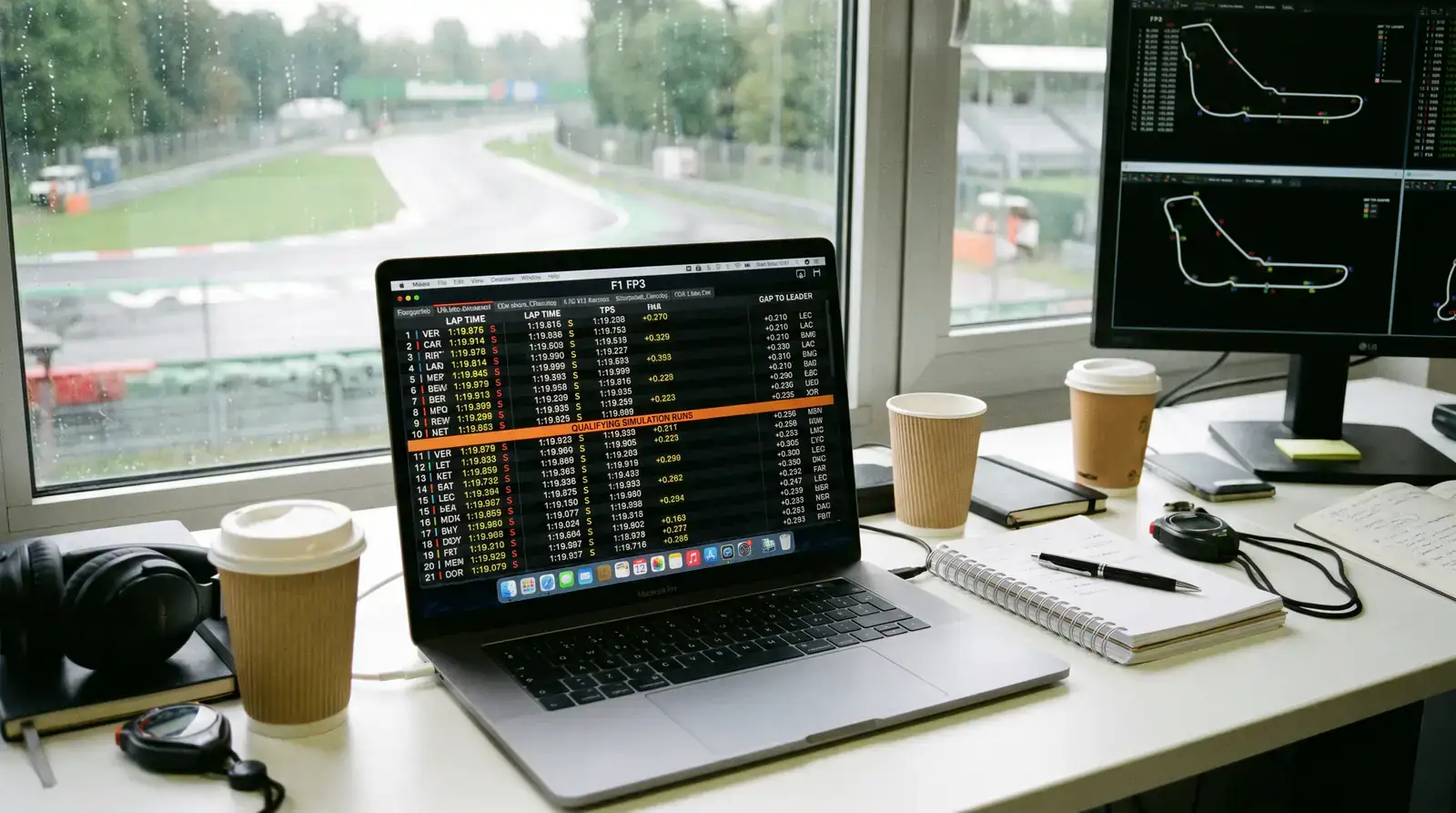
Free Practice 3 on Saturday morning is the final session before qualifying, and it’s the closest approximation of qualifying conditions you’ll get. Each car generates roughly 700 data points per second during these sessions, and while most of that telemetry stays behind team walls, the lap times and sector splits are publicly available in real time. I use FP3 data as my primary input for qualifying market decisions.
The key metric from FP3 is the gap to the fastest lap on low-fuel, soft-tyre runs. Teams typically complete qualifying simulation runs in FP3 – short stints on the softest available compound, with low fuel loads, to gauge their single-lap pace. The delta between a driver’s best FP3 lap and the session leader correlates strongly with their qualifying position. A driver within three tenths of the FP3 leader is almost certainly a Q3 contender. A driver more than eight tenths off is at risk of Q1 elimination.
I place my qualifying bets in the 30-minute window between the end of FP3 and the start of qualifying. This window is where the most value exists because FP3 data has been published but the odds haven’t fully adjusted. Bookmakers update their qualifying prices after FP3, but the adjustment is often incomplete – especially for lower-profile markets like Q1 elimination and qualifying match bets, where the trading desk prioritises pole position pricing and lets the peripheral markets lag. That lag is my edge, and it’s reliable enough to form the backbone of my qualifying betting approach throughout the season.
Grid Penalties and How They Interact with Qualifying Bets
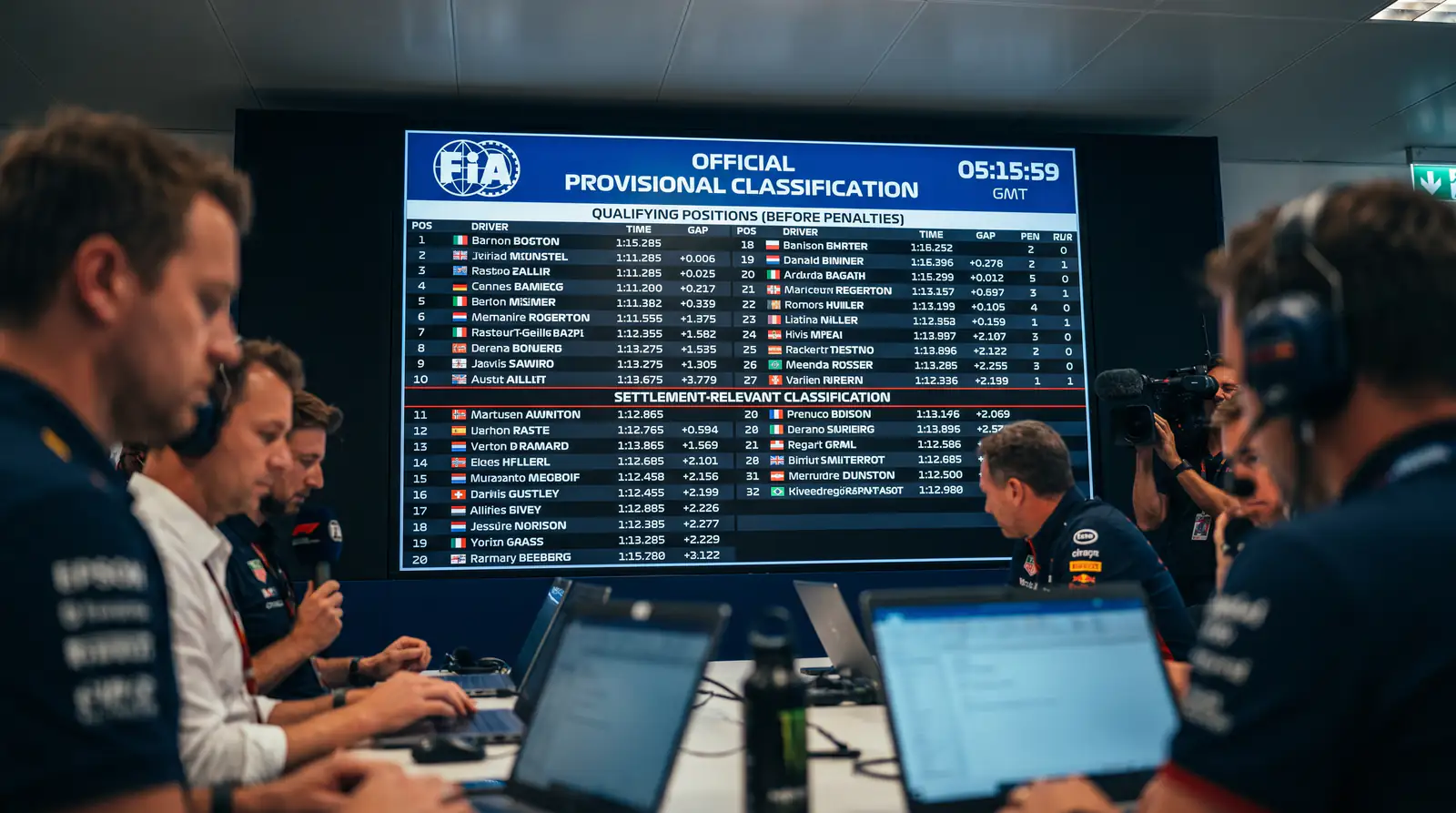
Grid penalties are the most common source of confusion in qualifying betting, and I’ve personally lost a bet because I didn’t fully understand how they interacted with the market I’d wagered on. The crucial point: qualifying bets are settled on the qualifying classification, not the starting grid. If a driver qualifies first but takes a ten-place grid penalty, they still count as the pole-sitter for qualifying betting purposes.
This creates a specific strategic opportunity. When a driver is known to have a grid penalty before qualifying – engine penalties are announced in advance, as are gearbox change penalties – their team may choose to turn up the engine power for qualifying, knowing the grid penalty negates the risk. A driver with a ten-place penalty has nothing to lose by pushing harder for a qualifying time that maximises their starting position after the penalty is applied. This can make them faster in qualifying than they would otherwise be, which affects qualifying match bets and top-N markets.
I track upcoming penalties through the official FIA documentation published ahead of each race weekend. When a driver has a confirmed penalty, I assess whether their qualifying effort is likely to be enhanced (team pushes for the best possible post-penalty grid slot) or diminished (team saves engine mileage, knowing the grid position is compromised). The market rarely differentiates between these scenarios, pricing qualifying odds as though the penalty doesn’t affect qualifying behaviour. That disconnect is worth exploiting, particularly in the pole position market where a penalised frontrunner may still set the fastest qualifying time.
Are F1 qualifying bets settled on the qualifying classification or the final grid?
The standard across most UK bookmakers is settlement on the qualifying classification – the official times set during the qualifying session. Grid penalties, pit lane starts, and other adjustments that change the race-day starting order do not affect qualifying bet settlement.
Which qualifying markets are available for live betting?
Most major operators offer live betting during qualifying, typically covering pole position, qualifying match bets, and which drivers will be eliminated in each session. The odds update between sessions (Q1 to Q2 to Q3) and sometimes within sessions as drivers set their laps. Availability varies by operator.
Do engine penalties change the settlement of F1 qualifying position bets?
No. Engine penalties, gearbox penalties, and other grid sanctions are applied to the starting grid, not to the qualifying classification. A driver who qualifies fastest but has a grid penalty is still classified as the pole-sitter for qualifying bet settlement purposes at most UK bookmakers.
Prepared by the f1 Betting editorial staff.