F1 Pole Position Betting: Qualifying Markets and Saturday Odds
 Available in US
Saturday at Spa-Francorchamps, August 2021. Rain hammered the circuit ten minutes before Q3. George Russell, driving a Williams that had no business being near the front, stuck his car on the front row in second place. The pole position market had priced him at 150/1 before qualifying started. Those are the moments that make pole position betting one of the most volatile – and most rewarding – markets in F1.
Pole position betting is simply backing which driver will start the race from first on the grid. Settlement is based on the official qualifying classification, not the final starting grid – an important distinction I’ll explain. The market opens mid-week before a race weekend and is priced primarily off practice pace, historical circuit data, and the competitive form each team has shown in recent rounds.
Q1, Q2, Q3: How the Session Structure Affects Pole Odds
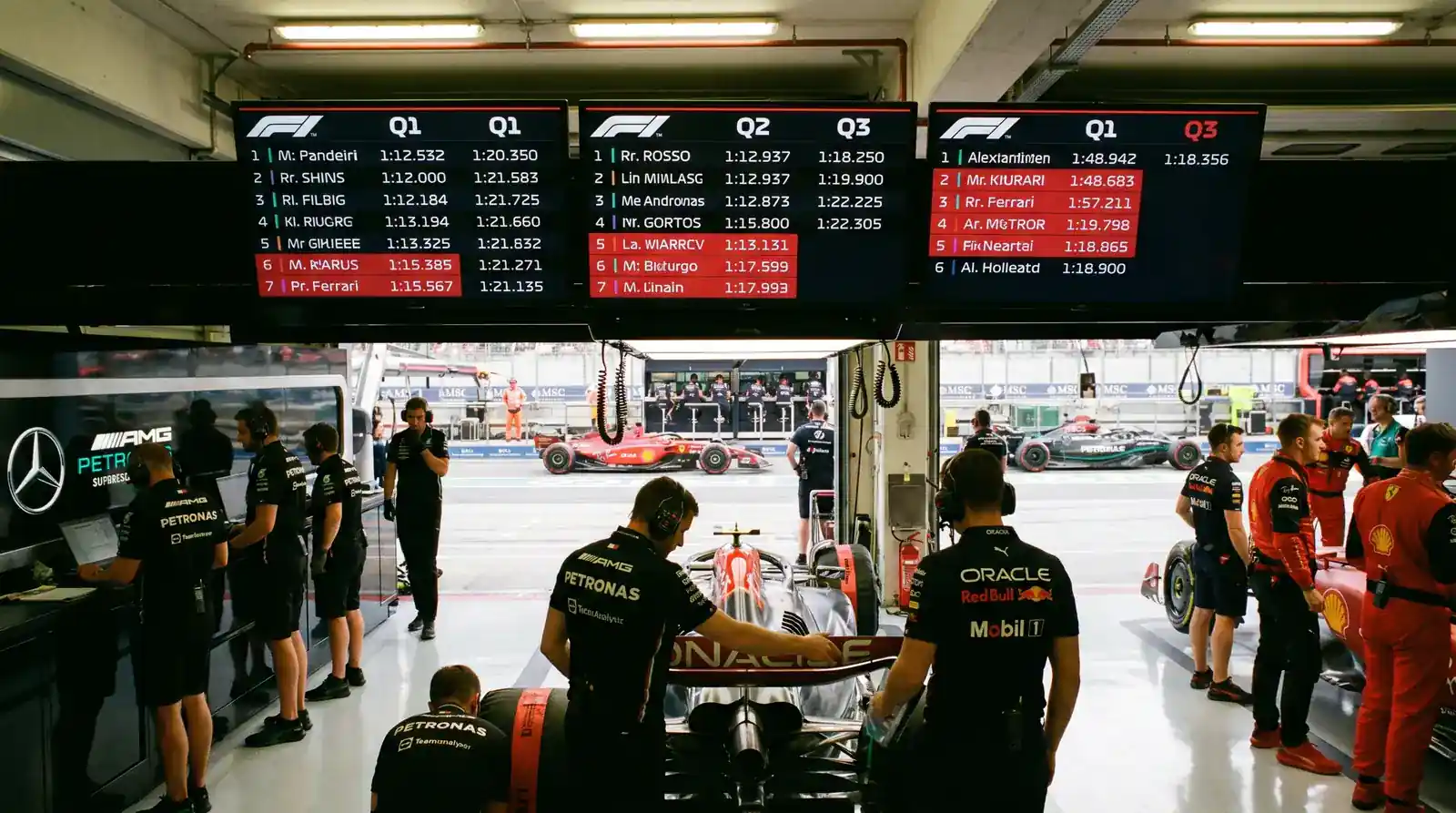
Qualifying in F1 is a three-stage knockout format, and each stage changes the pole position probability landscape in ways that create live betting opportunities. Q1 eliminates the five slowest drivers. Q2 eliminates another five. Q3 – the pole shootout – features the ten remaining drivers fighting for grid positions one through ten. Each session runs on a fixed time window, and drivers must set their fastest lap within that window or risk elimination.
The structure matters for pole betting because the odds shift dramatically between sessions. A driver who scrapes through Q1 by the narrowest margin tells you their team is struggling for pace – or that they sandbagged early to preserve tyres for the later sessions. Live audiences for qualifying sessions grew by 22.8% year-on-year in 2025, reflecting the growing recognition that Saturday’s action is often more dramatic than Sunday’s race. That growing engagement has pushed bookmakers to offer richer qualifying-specific markets and more competitive odds.

I focus my pole position analysis on the Q2 session. Here’s why: Q2 requires drivers to set a representative time on the tyre compound they’ll start the race on (in standard qualifying, the top-ten qualifiers start on the tyre they used for their fastest Q2 lap). This means the lap times in Q2 are set on genuine racing configurations, not on low-fuel glory runs. The delta between a driver’s Q2 time and the Q2 leader’s time is a more reliable predictor of Q3 pole potential than any practice session data. I use Q2 deltas as my primary input for live pole position betting in the minutes before Q3 begins.
Wet Qualifying: When Pole Odds Blow Wide Open
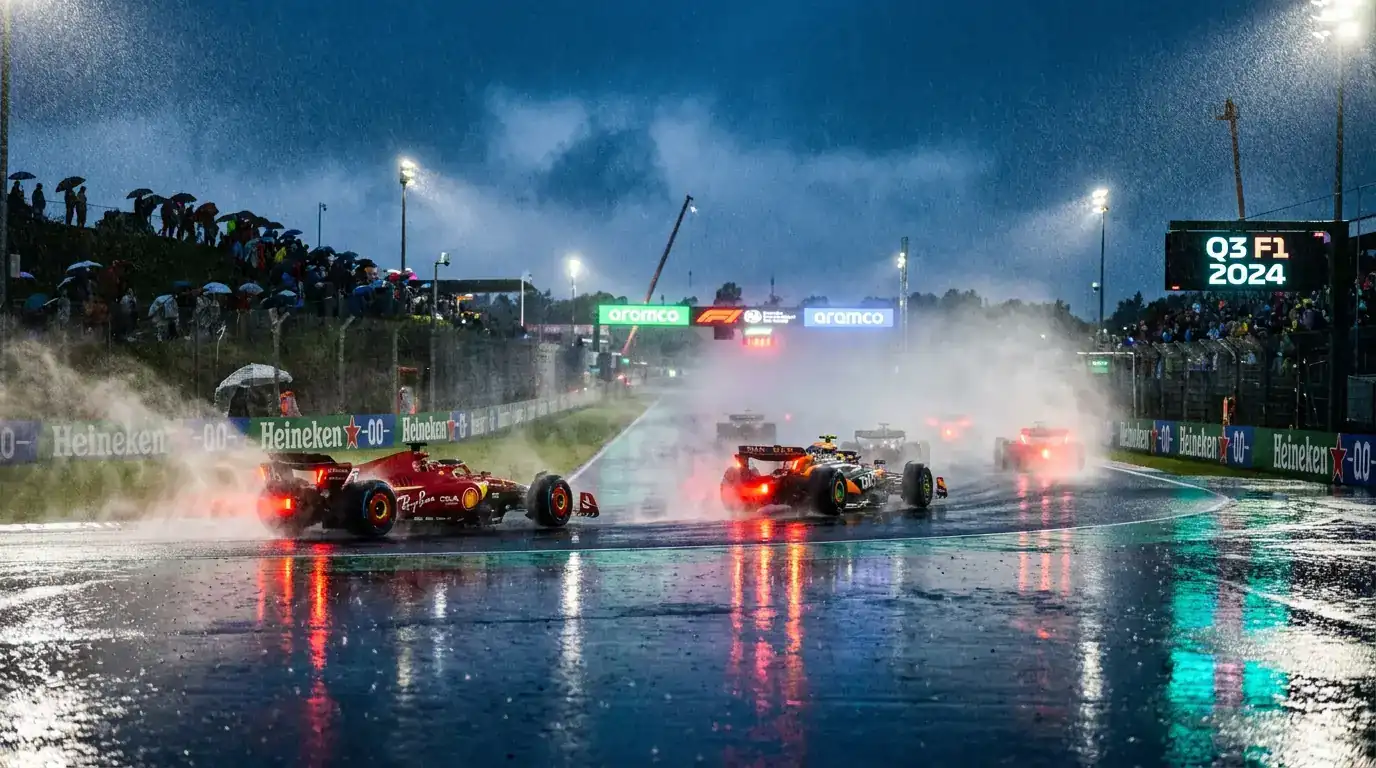
Rain is the great equaliser in F1, and nowhere is this more true than in qualifying. A wet session compresses the performance gaps between teams, amplifies driver skill relative to car performance, and introduces a level of chaos that standard dry-weather qualifying models cannot predict. F1 cars generate roughly 700 data points per second per car, but in the rain, the historical correlations that bookmakers use to price pole odds become significantly less reliable.
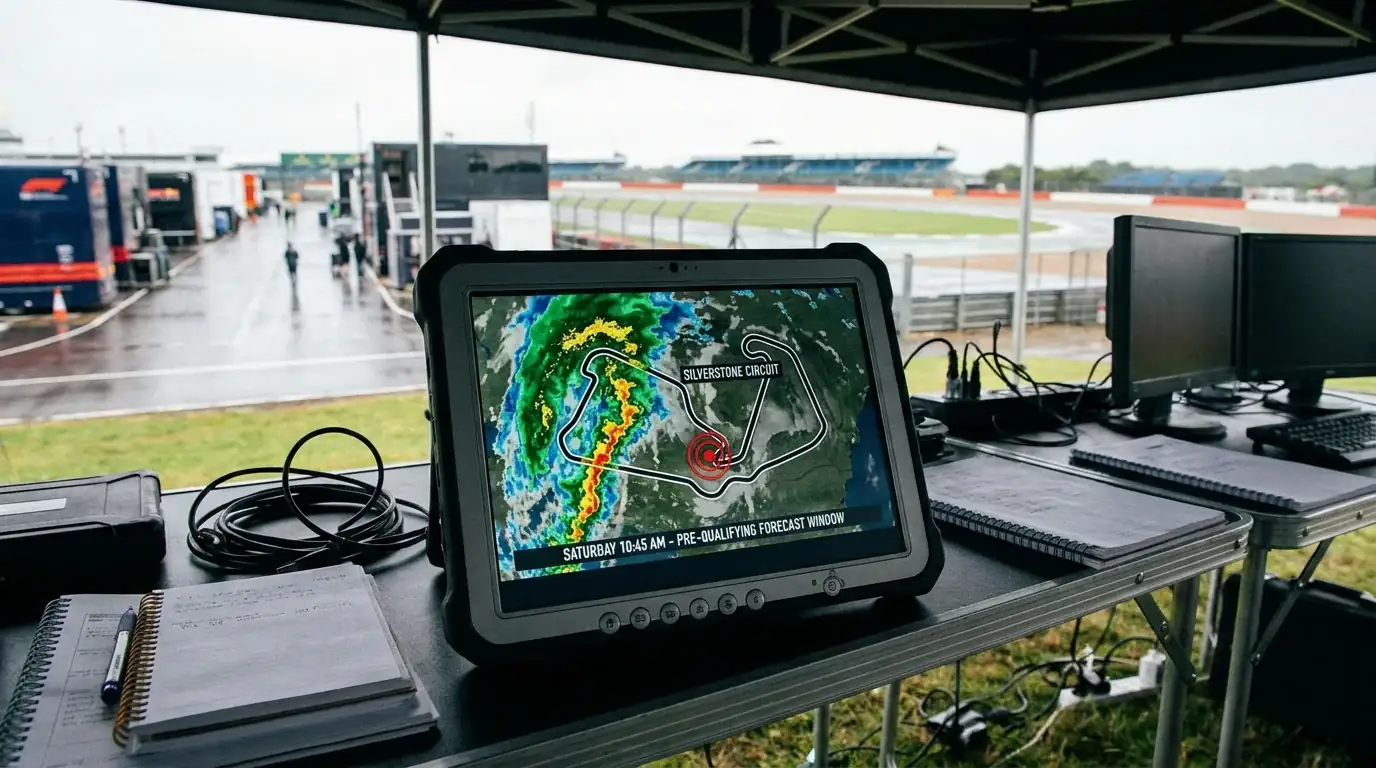
My approach to wet qualifying markets is simple: the moment a credible weather forecast shows rain during the qualifying window, I look for value on drivers who are known wet-weather specialists but wouldn’t normally challenge for pole in dry conditions. The odds on these drivers in the pre-qualifying market are set based on dry expectations. If rain arrives, those odds represent extreme value because the market hasn’t adjusted. By the time the bookmaker suspends and reprices the pole market for wet conditions, the value has evaporated.
The timing window is narrow. I place my wet-weather pole bets on Saturday morning, after checking three independent weather sources for the circuit location, but before the bookmaker adjusts the odds. This requires being logged in and ready to execute during the 60-90 minute window before qualifying starts. It’s not a strategy for every race weekend – perhaps four or five rounds per season present genuine wet qualifying opportunities – but the returns on those occasions can be substantial because the pre-qualifying odds are still anchored to dry expectations.
Track Specialists and Qualifying Streaks Worth Watching
F1’s Head of Betting, Mark Wrigley, has talked about the sport’s ambition to offer fans an innovative and meaningful way to engage through betting – and pole position markets are exactly where that innovation has the most room to grow. The current market doesn’t adequately price track-specific qualifying form, which creates persistent value for punters who track the data.
Certain drivers and teams consistently outperform their season-average qualifying pace at specific circuits. The reasons are technical: aerodynamic configuration, power unit characteristics, tyre warm-up behaviour, and driver confidence at particular corner types all contribute to circuit-specific form. A car that struggles in the high-speed corners of Silverstone may excel in the low-speed technical sections of Monaco. A driver who thrives on heavy-braking circuits may lose tenths at high-speed flowing tracks.
I maintain a database of qualifying positions by driver and circuit going back five seasons. The patterns are consistent enough to be predictive. When a driver has qualified in the top three at a specific circuit in three of the last four visits, their pole position odds for the next visit should reflect that history. Often, the bookmaker’s pre-qualifying price is set off current season form and car performance rather than circuit-specific trends, creating a gap between the market price and the historical probability.
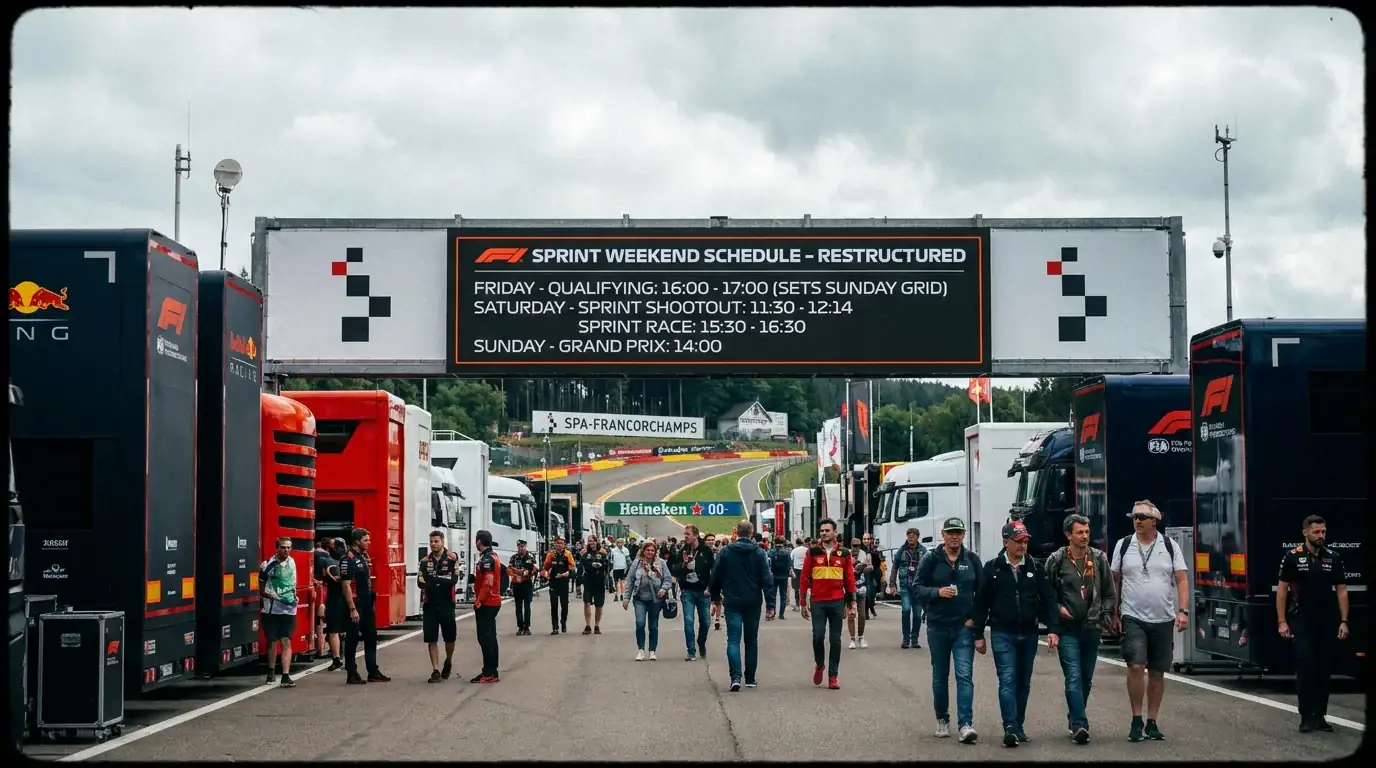
Sprint qualifying formats add another layer. At sprint weekends, there’s a separate qualifying session to determine the sprint starting grid, distinct from the qualifying session that sets the main race grid. The broader qualifying betting landscape includes markets on both sessions, and the sprint qualifying in particular is less efficiently priced because the format is newer and bookmakers have less historical data to calibrate their models.
The pole position market rewards patience and preparation. The punter who arrives on Saturday morning with a clear view of each driver’s circuit-specific qualifying form, an eye on the weather forecast, and a willingness to wait for Q2 data before committing to a live bet has a structural advantage over the one who backs the championship leader at 6/4 on Thursday. Pole isn’t always about the fastest car – it’s about the right car at the right track in the right conditions.
What happens to my pole position bet if a driver gets a grid penalty after qualifying?
Most UK bookmakers settle pole position bets on the qualifying classification, not the final starting grid. If a driver qualifies first but receives a grid penalty that drops them to a lower starting position, they are still treated as the pole-sitter for betting purposes. Always verify your bookmaker’s specific settlement terms.
Is pole position betting settled on qualifying results or the final starting grid?
The standard across most UK operators is settlement on the qualifying classification – the official FIA result of the qualifying session. Grid penalties, pit lane starts, and other adjustments that affect the starting grid do not change the pole position settlement. A few operators settle on the final grid, so check before placing.
How does a sprint qualifying format affect pole position betting?
Sprint weekends have two distinct qualifying sessions: one for the sprint grid and one for the main race grid. Pole position bets for the main race are settled on the main qualifying session, not the sprint qualifying. Some bookmakers offer separate pole position markets for both sessions, creating two betting opportunities per weekend.
Written by the editors at f1 Betting.