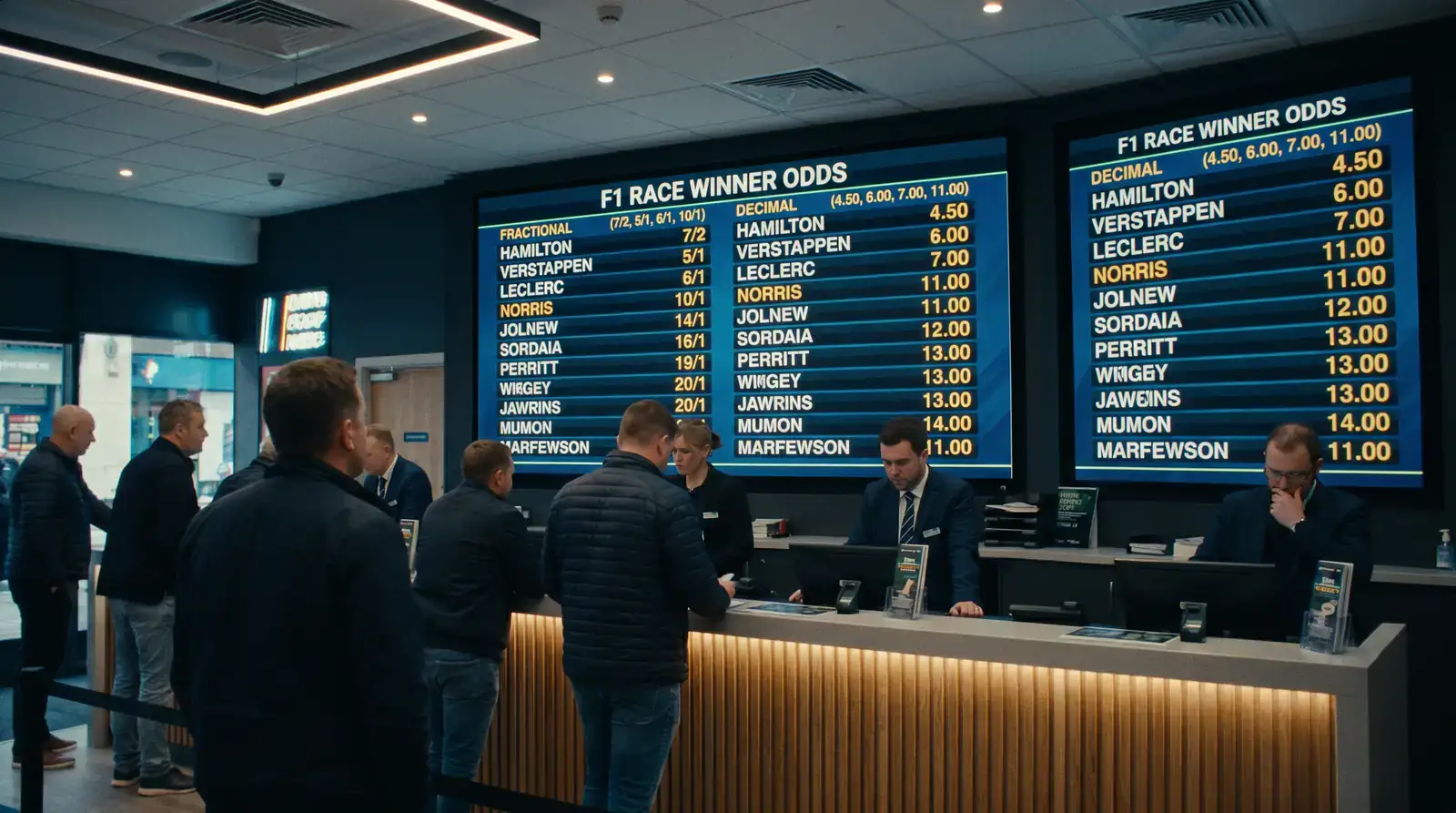
F1 Sprint Race Betting: How Saturday’s Shorter Race Creates Different Markets
 Available in US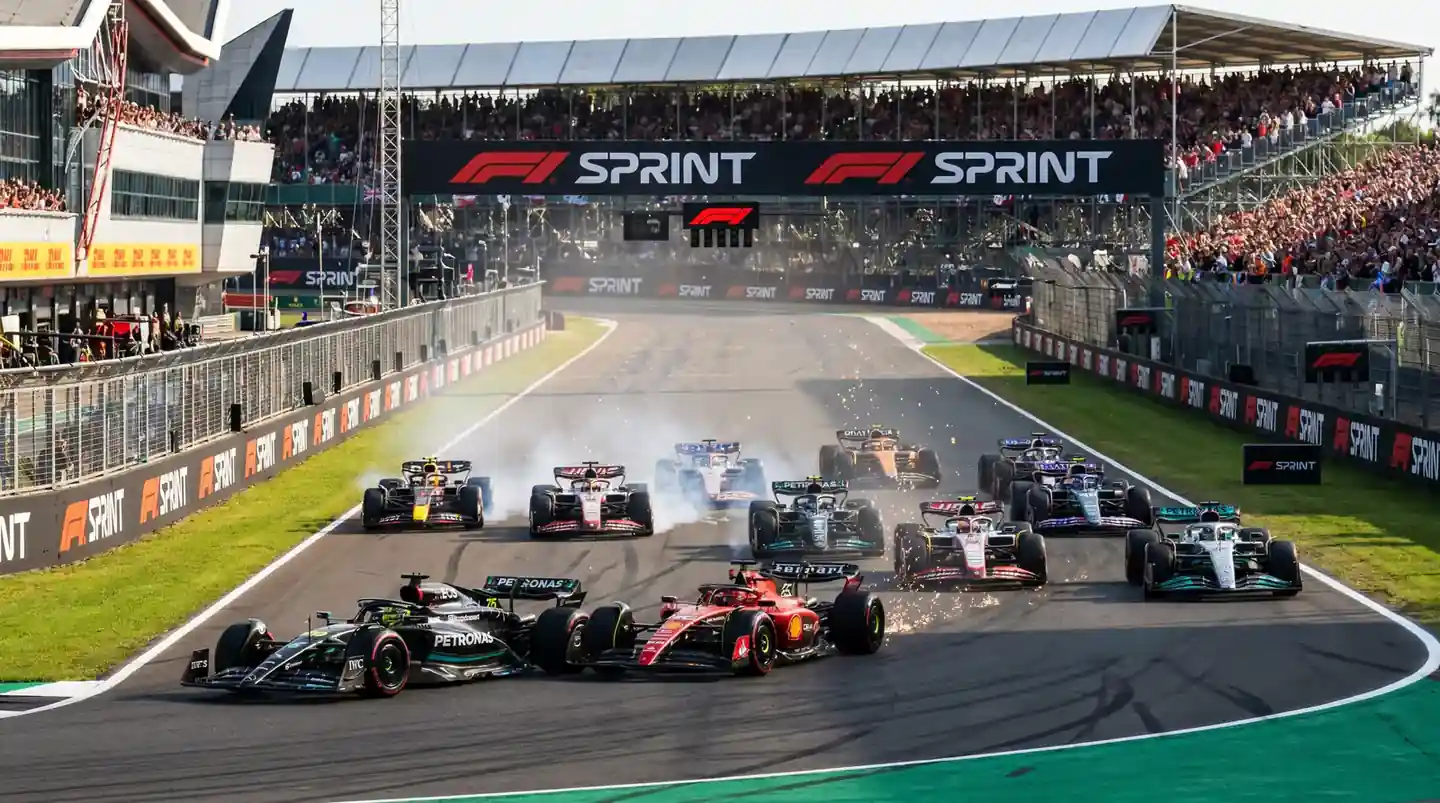
I lost money on sprint races for an entire season before I understood why: I was applying Sunday-race logic to a Saturday format that punishes it. Sprint races are shorter, strategy options are limited, and the grid order has a far stronger correlation with the finishing order than it does in a full-length Grand Prix. Once I adjusted my approach, sprint race betting went from my worst-performing market to one of my most consistent.
Sprint races are shortened events – typically around 100 kilometres, lasting roughly 25-30 minutes compared to the two-hour window for a standard Grand Prix. They were introduced to the F1 calendar as a way to add Saturday racing action at selected events, and the format has evolved since its debut. The 2025 season featured sprint weekends at six rounds, with the 2026 calendar expected to maintain a similar number. The sprint grid is set by a dedicated sprint qualifying session (sometimes called the sprint shootout), separate from the main qualifying that determines Sunday’s starting grid.
The Sprint Weekend Format and Its Impact on Market Availability
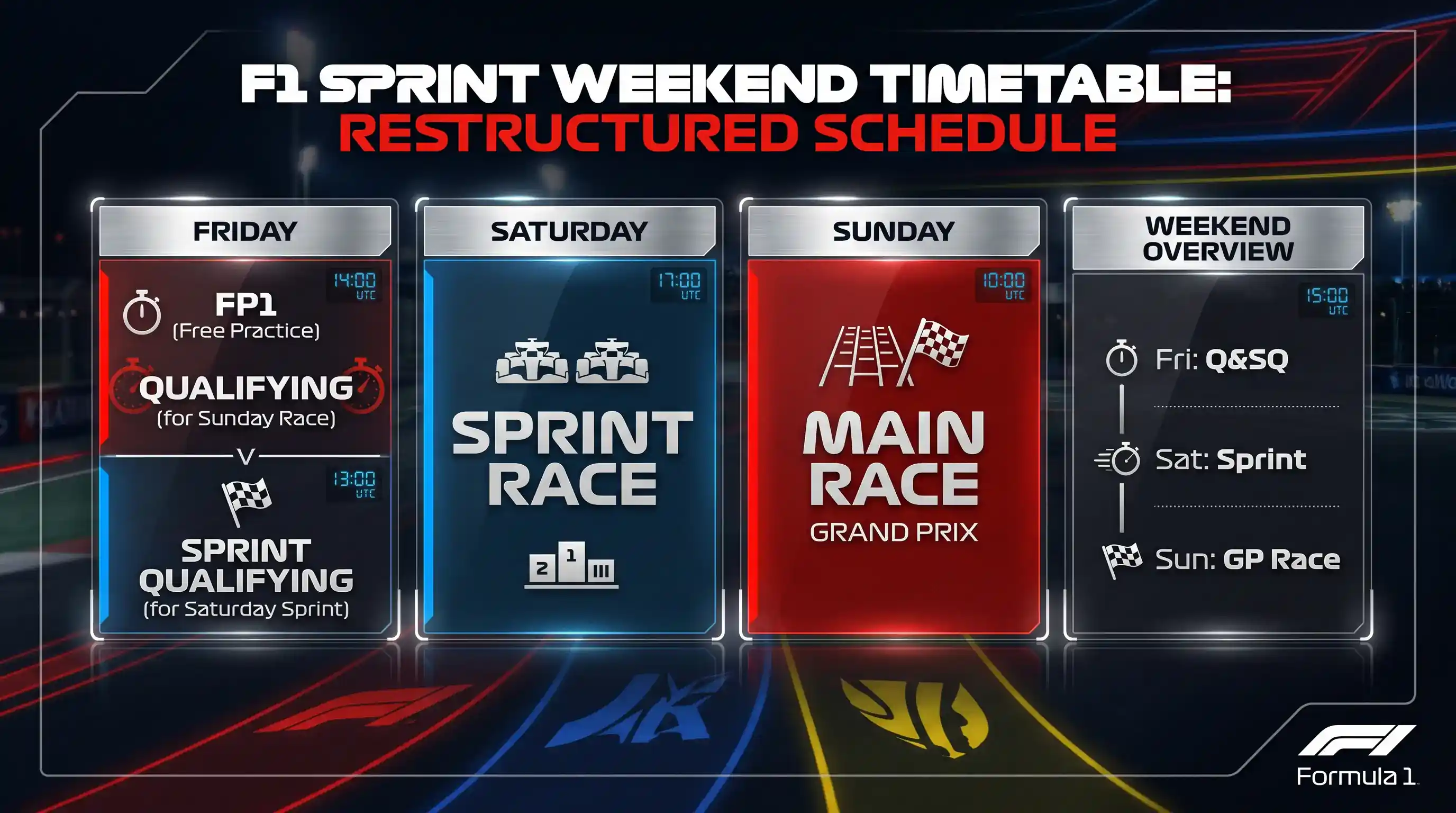
Sprint weekends compress the race weekend timetable in ways that directly affect what you can bet on and when. The standard weekend runs Friday practice, Saturday qualifying, Sunday race. A sprint weekend reshuffles this: Friday qualifying sets Sunday’s race grid, Friday sprint qualifying sets Saturday’s sprint grid, and Saturday features the sprint race itself. There’s typically only one free practice session instead of the usual three, which reduces the data available to both punters and bookmakers.
That reduced practice time matters enormously. With only one FP session before sprint qualifying, teams have less time to optimise their setup, and the data set for assessing relative pace is thinner. Total attendance for the 2025 F1 season hit a record 6.7 million across 24 races, and sprint weekends tend to generate above-average attendance because fans get two races for the price of one. But for bettors, the information scarcity cuts both ways: the odds are less efficiently priced because everyone – including the bookmaker – has less data to work with.
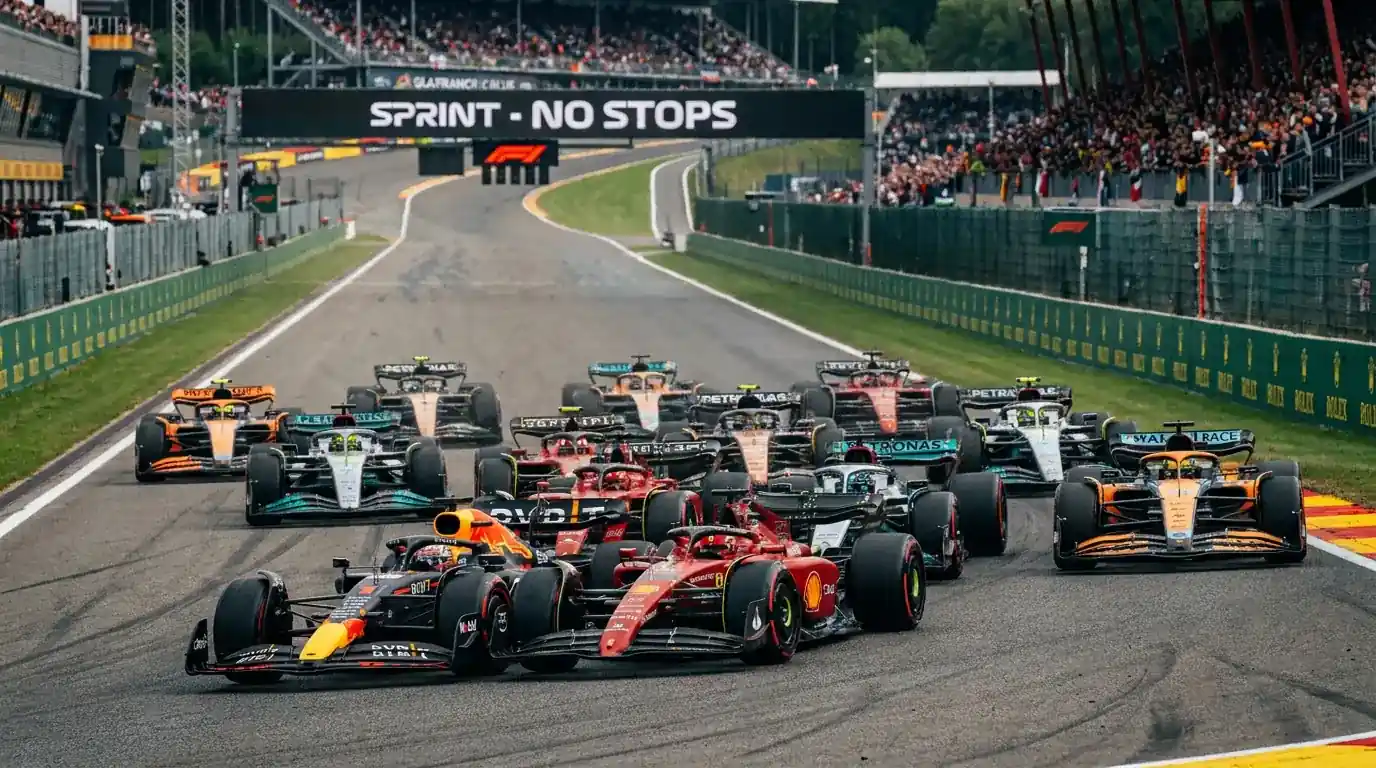
Market availability narrows on sprint weekends. Most operators offer sprint race winner, sprint podium finish, sprint head-to-head matchups, and sometimes a sprint fastest lap market. The more exotic props – safety car deployment, total retirements, pit-stop-related markets – are less commonly offered for sprints because the shorter race produces fewer of these events and the historical data set for calibrating the odds is smaller. In-play betting during a sprint race is available at most major UK bookmakers, but the market depth is shallower than during the main race, and the odds update less frequently because the event is so short.
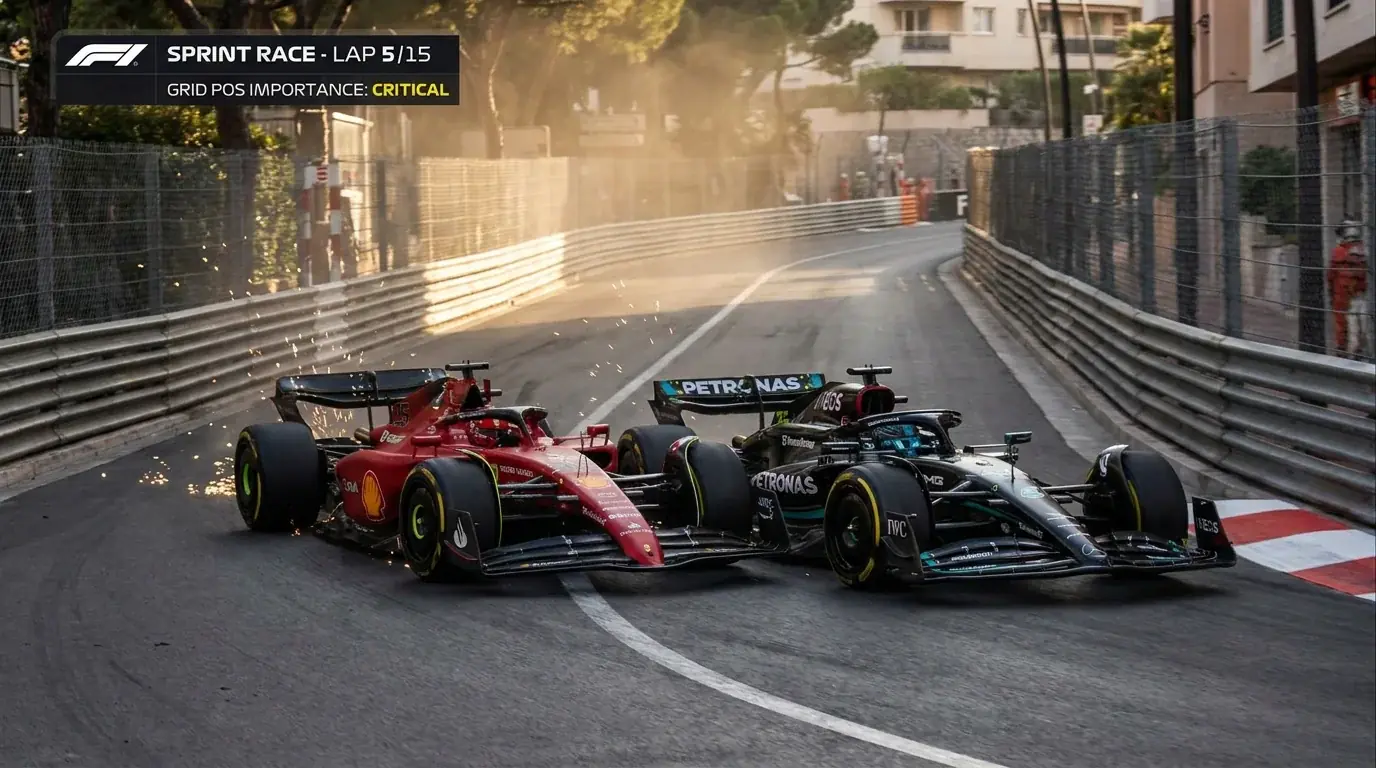
Sprint-Specific Markets: Winner, Top 3 and Head-to-Head
The sprint race winner market is the headline offering, and it behaves differently from the main race winner market in ways that create specific value opportunities. Live audiences for F1 practice sessions grew by 24.9% year-on-year in 2025, and that growing attention has pushed bookmakers to deepen their sprint market offerings – but the pricing still relies heavily on main-race performance data rather than sprint-specific analysis, which creates exploitable gaps.
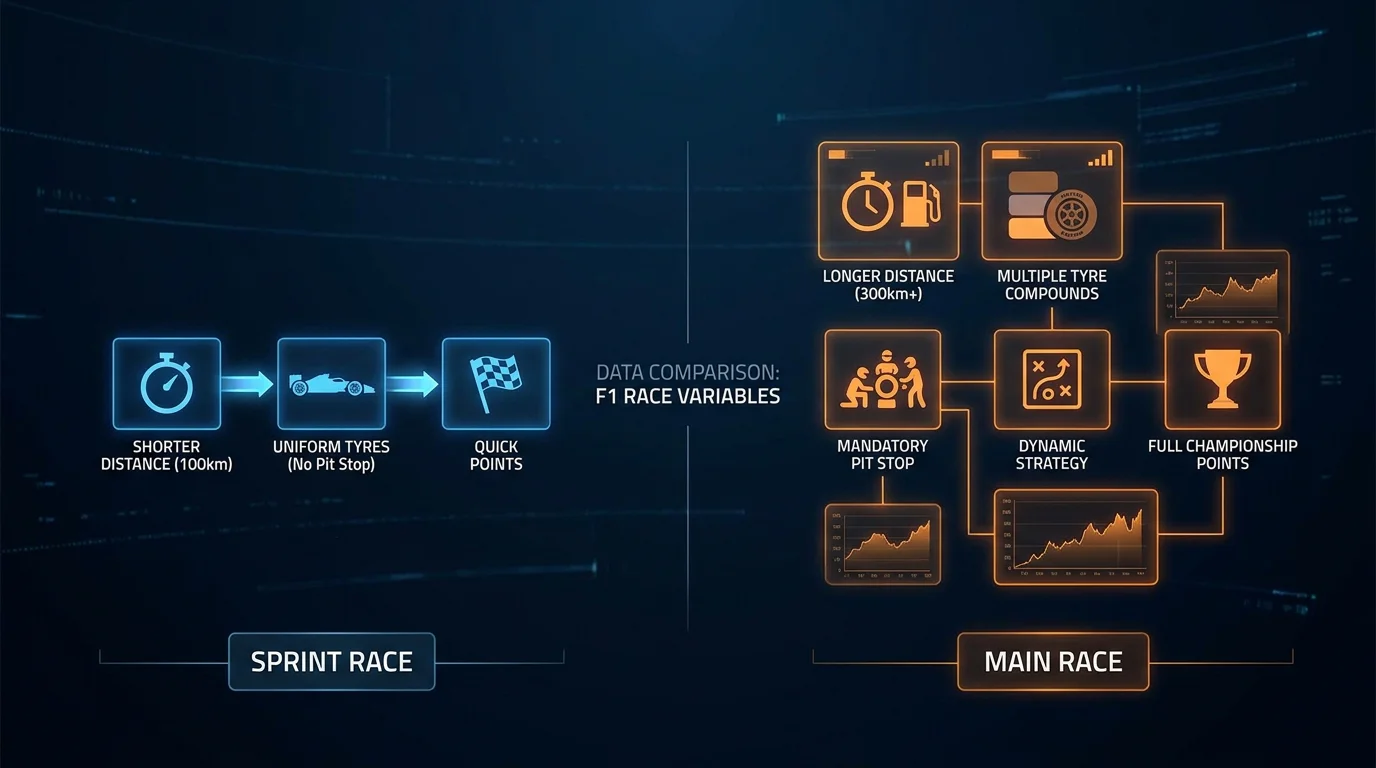
In a standard Grand Prix, the race winner emerges from a complex interaction of qualifying position, tyre strategy, pit timing, weather changes, and safety car interventions. In a sprint race, most of these variables are stripped away. There’s typically no mandatory pit stop, tyre strategy is minimal (all drivers start on the same compound), and the race is too short for weather to change dramatically. This means grid position – the starting order from sprint qualifying – is the dominant factor in determining the winner.
My data shows that the pole-sitter wins the sprint race approximately 55-60% of the time, compared to roughly 40-45% in full-length Grands Prix. The driver starting second wins around 25% of sprints. This concentration of winning probability at the front of the grid has a direct implication: the sprint race winner market tends to be more top-heavy and offers less value on outsiders than the main race market. The value in sprint winner betting is in correctly identifying which driver has the pace advantage in sprint qualifying and backing them before the sprint qualifying session reveals the grid order.
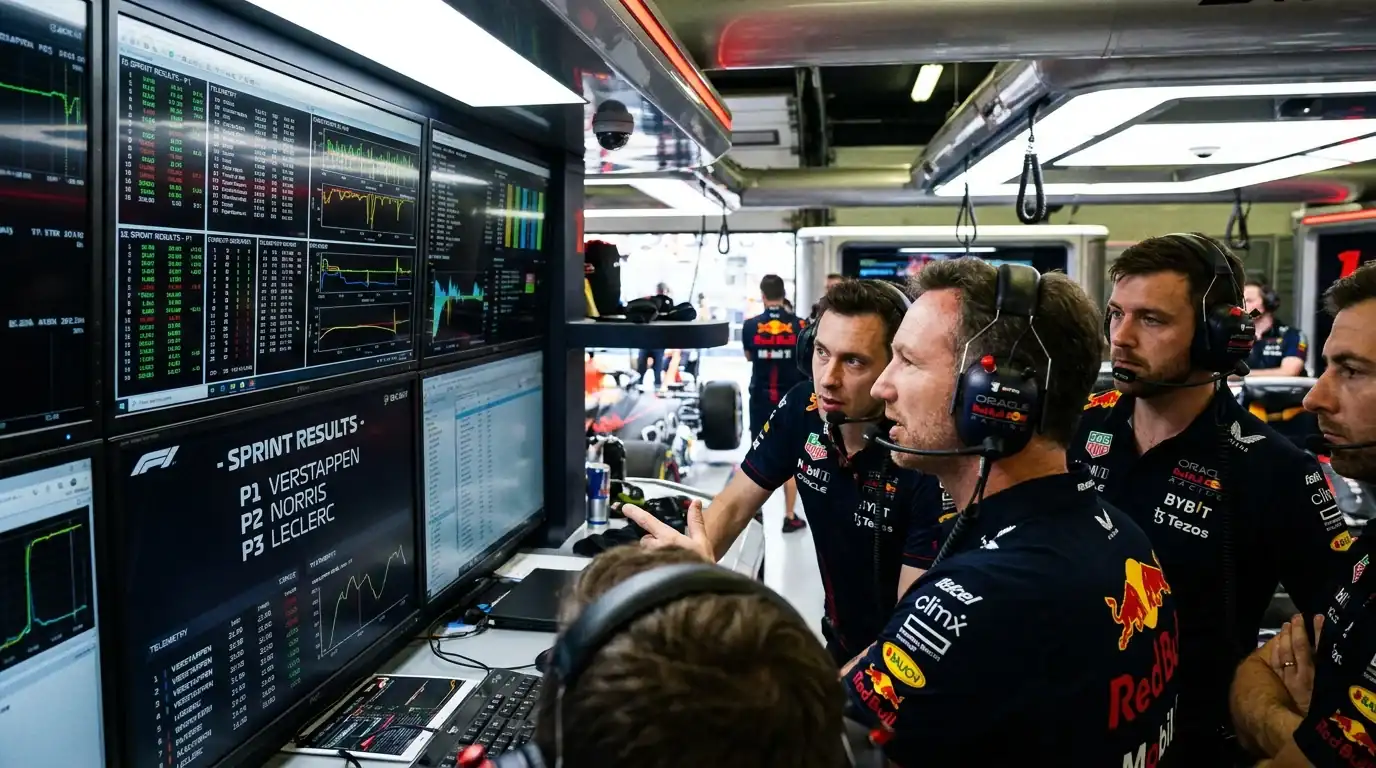
Sprint head-to-head matchups are where I find the most consistent edge. Because strategy options are limited and pit stops are rare, the driver with the better starting position in a head-to-head pairing almost always wins. This makes sprint head-to-heads more predictable than main-race matchups, and the odds don’t always reflect this increased predictability – especially early in the weekend before sprint qualifying data is available.
Why Sprint Betting Strategy Differs from Sunday Race Punting
Jonny Haworth, F1’s Director of Commercial Partnerships, described the 2026 season as ideal for betting engagement because of the jeopardy that regulation changes bring. Sprint races amplify that jeopardy in a compressed format – the stakes are real (championship points are awarded), the action is immediate, and the consequences are visible within half an hour.
The strategic differences between sprint and main race betting come down to three factors: no mandatory pit stop, uniform tyre choice, and shorter distance. These eliminate the three biggest variables that create uncertainty in Sunday races. Without pit strategy, the race becomes a straight fight from the grid. Without tyre variation, degradation differences between compounds don’t create performance crossovers. And with fewer laps, there’s less time for safety car periods, reliability failures, or weather changes to reshuffle the order.
I adjust my staking and selection approach for sprints accordingly. I stake smaller amounts because the odds are shorter – the favourites are more heavily favoured, and the expected returns per unit staked are lower. I focus on head-to-head markets over outright winner markets because the reduced variance makes pair comparisons more reliable. And I place my sprint bets late – after sprint qualifying results are in but before the sprint race starts – because the information advantage from sprint qualifying data is substantial. The full menu of F1 betting markets available at UK bookmakers includes sprint-specific options at all six sprint weekends on the 2026 calendar, so timing your entry around each sprint qualifying session is both practical and profitable.
One final nuance: sprint race results can influence Sunday’s main race odds. A driver who demonstrates dominant pace in Saturday’s sprint will see their main race odds compress. Conversely, a poor sprint performance can drift a favourite’s Sunday price. I use sprint results as a final data input for my Sunday betting rather than treating the two events as entirely separate. The sprint isn’t just a betting opportunity in itself – it’s the best live practice session you’ll get before the main race.
Are F1 sprint race odds typically shorter or longer than main race odds?
Sprint race odds are typically shorter on the favourite because the reduced strategic variables make the outcome more predictable. The pole-sitter wins around 55-60% of sprints, so the favourite’s odds compress compared to the main race where strategy and pit stops create more uncertainty.
How many sprint weekends are there in the 2026 F1 season?
The 2026 F1 calendar is expected to feature approximately six sprint weekends, consistent with the 2025 format. The specific rounds designated as sprint events are confirmed by the FIA before the season starts and may change from year to year.
Can I place in-play bets during an F1 sprint race?
Yes. Most major UK bookmakers offer in-play betting during sprint races, though the market depth is shallower and the odds update less frequently than during a full-length Grand Prix. The short duration of the sprint means the in-play window is compressed to roughly 25-30 minutes.
Created by the ”f1 Betting” editorial team.