F1 Head-to-Head Betting: Driver Matchups, Teammate Duels and Settlement Rules
 Available in US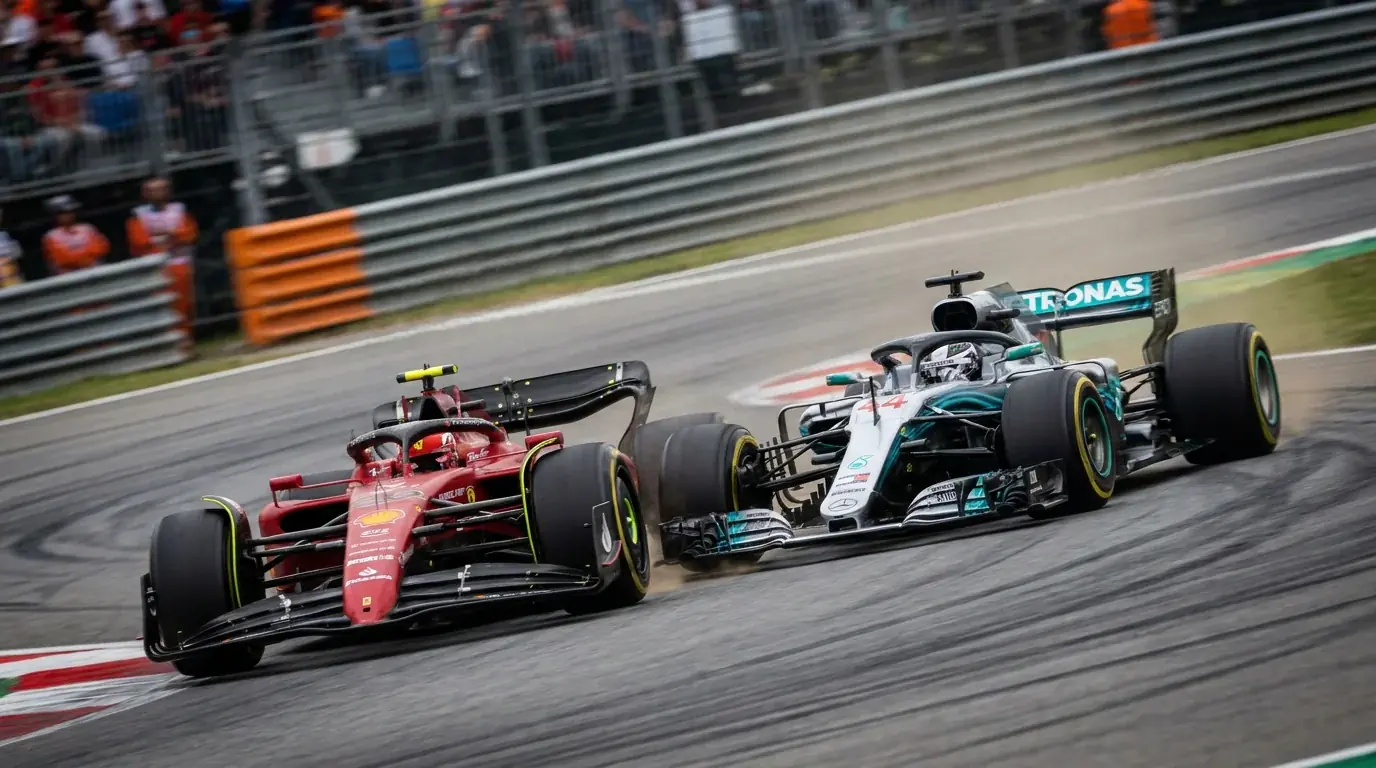
There’s a reason I bet more head-to-heads than outright race winners in F1: I only need to be right about one driver beating another, not about the entire 20-driver field. In the 2024 season, I backed Oscar Piastri to beat Lando Norris in their teammate head-to-head at seven specific circuits where the data suggested Piastri had an edge. Five of those bets won. Trying to predict which of those two would win the actual race at any of those circuits would have been a coin flip at best. Head-to-head markets reduce the complexity of F1 betting to its most manageable form.
A head-to-head bet is a wager on which of two named drivers will finish higher in the official race classification. The market strips away the noise of the full 20-driver field and focuses on a direct comparison. If Driver A finishes eighth and Driver B finishes twelfth, Driver A wins the head-to-head regardless of where anyone else finishes. The simplicity is the appeal – but the settlement rules around retirements add a layer of complexity that every punter needs to understand before placing.

How Bookmakers Price F1 Head-to-Head Markets
With 827 million fans globally and a competitive grid where the gap between teams shifts from circuit to circuit, F1 offers a rich menu of head-to-head pairings. Bookmakers typically offer two categories: teammate matchups and cross-team matchups. The pricing logic differs for each.
Teammate head-to-heads are priced primarily off qualifying and race performance data within the team. Both drivers have identical machinery, so the comparison isolates driver skill, setup preferences, and strategic decisions. The odds are usually tight – you might see 4/6 on one driver versus 11/10 on the other in a teammate pairing – because the performance data is available to the bookmaker in granular detail. They know the qualifying head-to-head record, the race head-to-head record, and the gap between the two drivers in tenths of a second at similar circuit types.
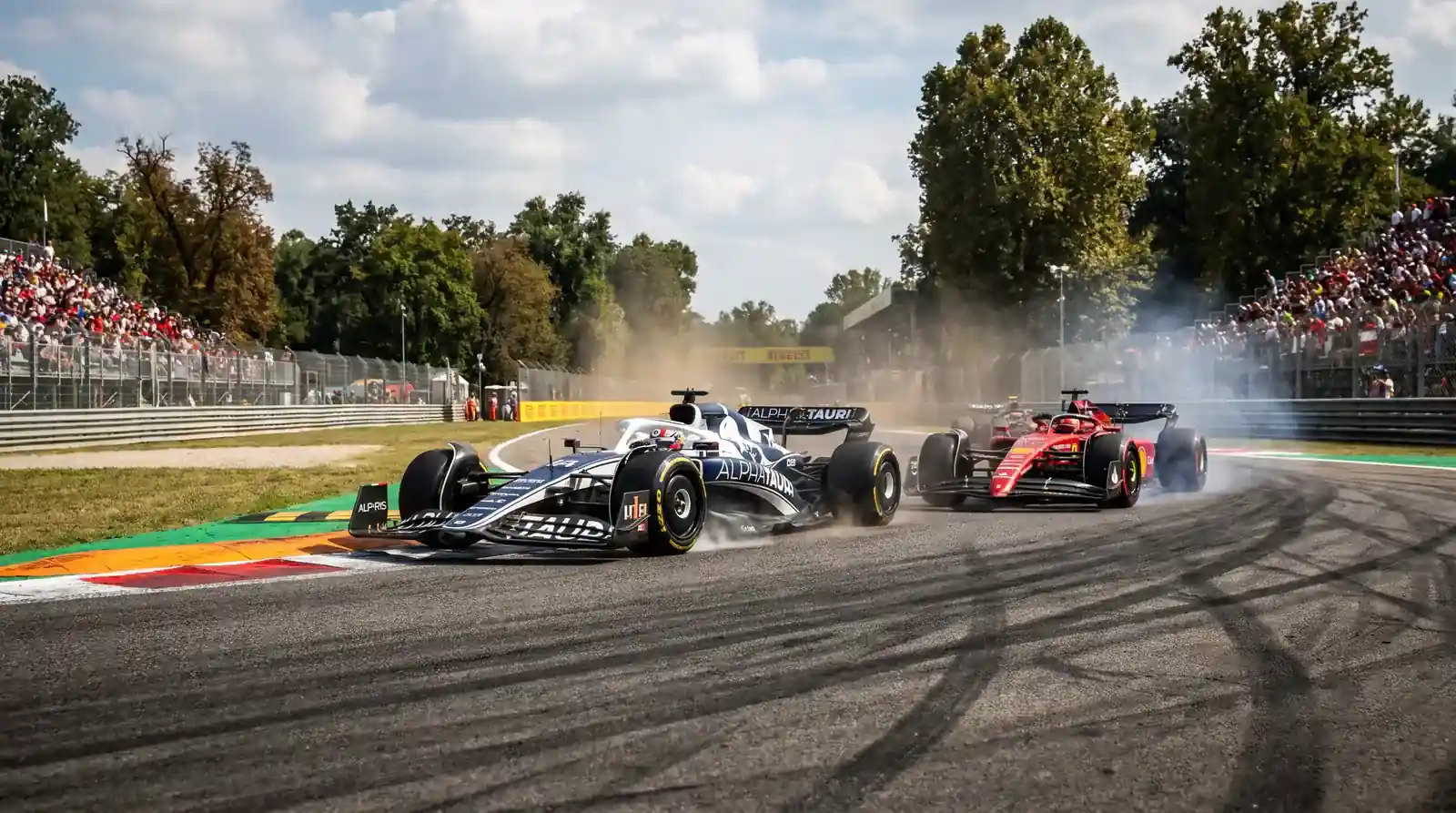
Cross-team matchups are priced off relative car performance combined with driver ability. A midfield driver matched against a top-team driver will be a significant underdog, but the odds can offer value when the circuit layout favours the underdog’s car characteristics. I pay close attention to cross-team matchups where one car has a clear advantage at a specific circuit type – a team with strong low-speed corner performance matched against a team that excels on high-speed tracks, racing at a low-speed circuit. The market sometimes underweights circuit-specific car advantages because the prices are anchored to season-long relative performance.
The margin – the overround built into head-to-head markets – is typically narrower than in race winner markets because there are only two outcomes. A well-priced head-to-head market might carry a 5-7% overround, compared to 15-25% on a full-field race winner market. That lower margin means your expected losses per bet are smaller, which compounds favourably over a 24-race season.
Teammate Duels: Where Insider Knowledge of Team Dynamics Pays
Forty-three percent of F1 fans are under 35, and this younger demographic tends to follow individual driver narratives more closely than team performance data. That tribal loyalty creates pricing inefficiencies in teammate head-to-heads, because casual bettors back their favourite driver regardless of the circuit or conditions, while the bookmaker adjusts the price to balance the book rather than to reflect the true probabilities.
I exploit this by identifying circuits where a specific driver has a structural advantage within their team. The factors that create intra-team edges are subtle: one driver may prefer a car setup with more front-end stability, which suits tight, technical circuits. Their teammate might prefer a loose rear end that generates better traction out of slow corners, which suits tracks with long straights following low-speed turns. These setup preferences are consistent across seasons and predictable from practice session data.
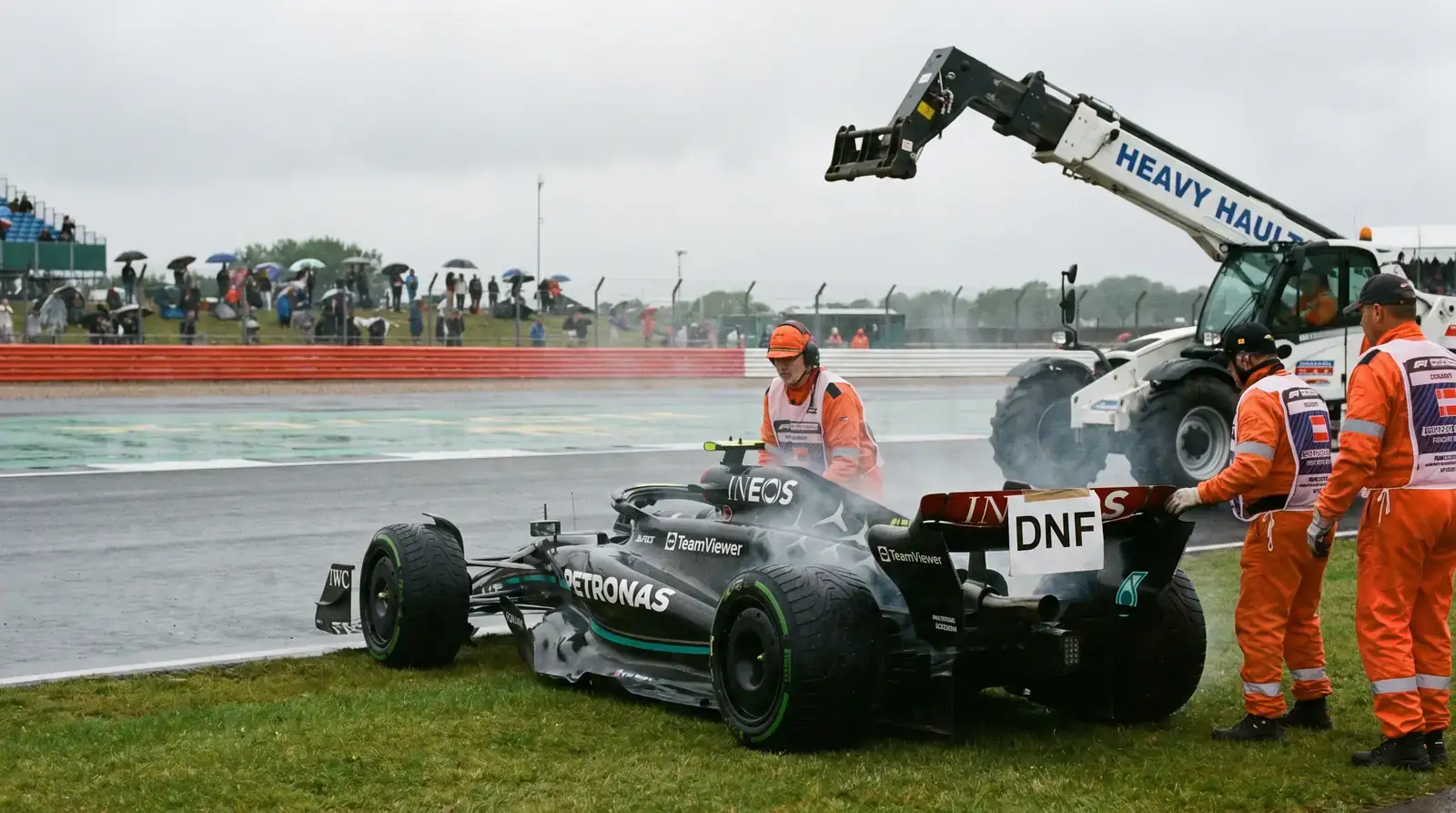
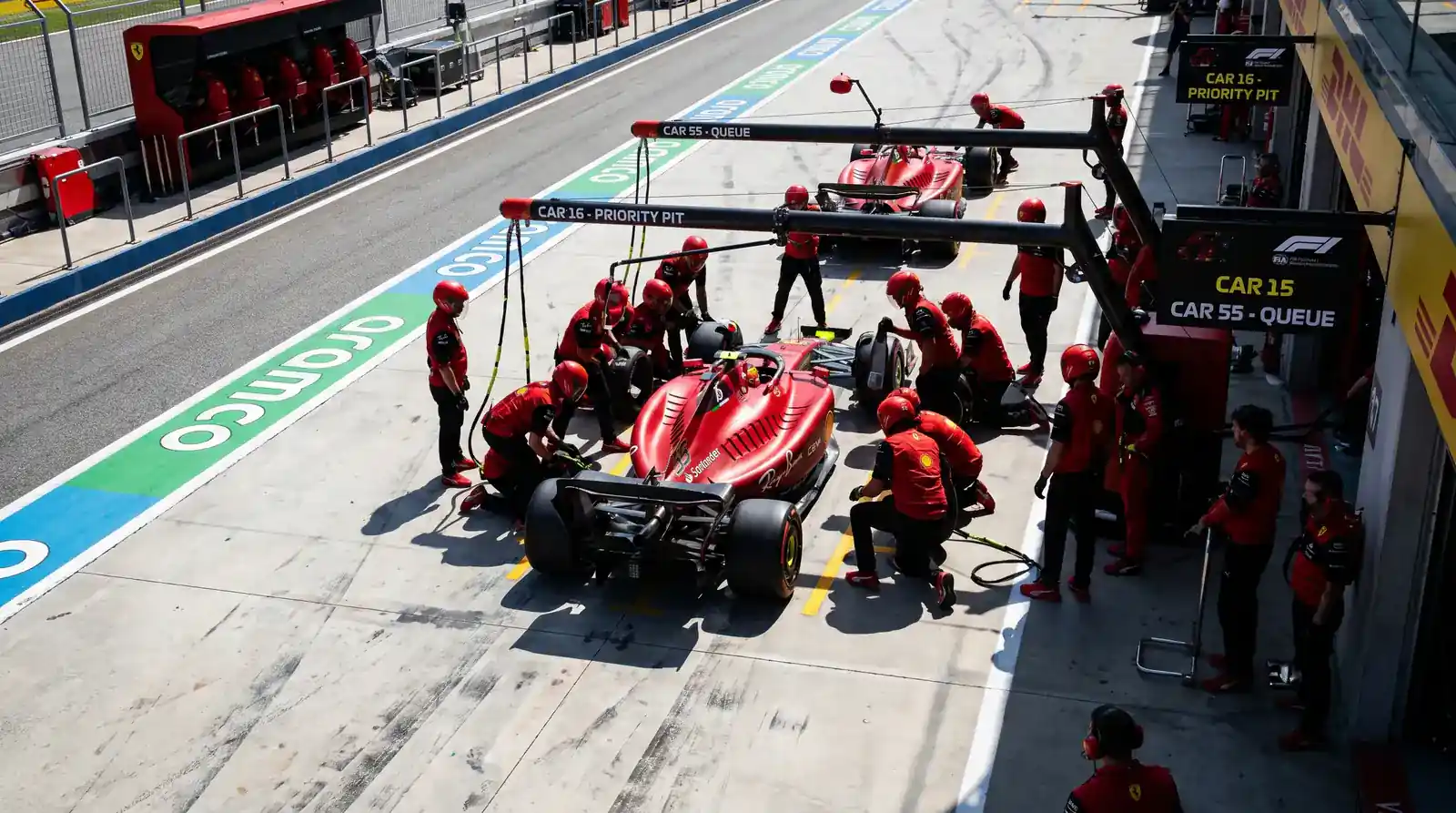
Team dynamics also play a role that pure data doesn’t capture. Number-one driver status, strategic priority during races, and which driver gets the first call on a pit stop under a safety car all tilt the head-to-head probability. These factors are rarely priced explicitly by bookmakers, but they’re visible in the data if you know where to look. A driver who consistently pits first in their team under safety car conditions receives a strategic benefit that shows up in race classification results. Tracking pit-stop sequencing within teams over a season reveals patterns that inform teammate head-to-head betting.
Both Retire, One Retires: How DNFs Affect Settlement
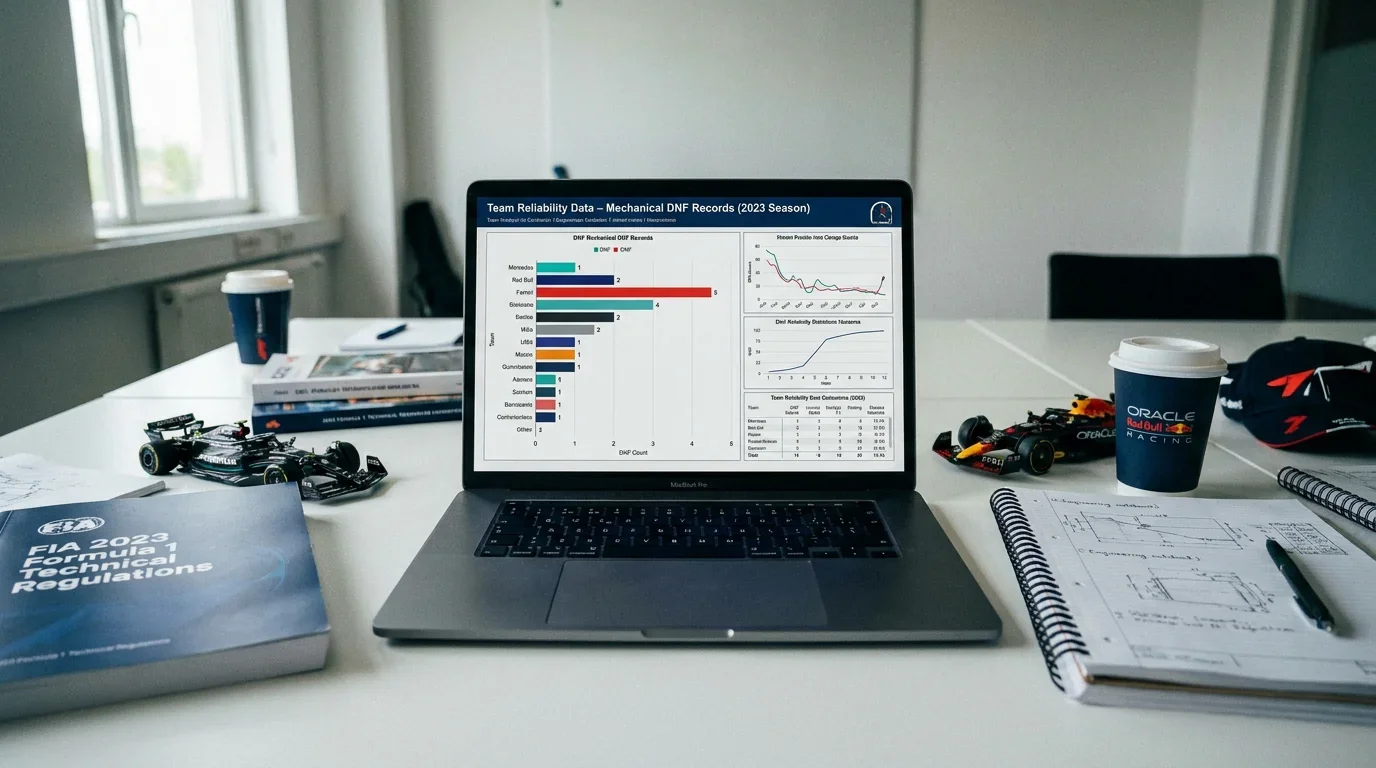
This is where head-to-head betting in F1 gets complicated, and where I’ve seen more confusion and frustration from punters than in any other market. The standard settlement rules for most UK bookmakers are: if one driver retires and the other is classified as a finisher, the finisher wins the head-to-head. If both drivers retire, the driver who completed more laps is typically the winner. If both retire on the same lap, the bet is voided.
But “standard” is doing a lot of heavy lifting in that paragraph. Some operators settle double-retirement head-to-heads on the official FIA classification, which lists retired drivers in the order of laps completed. Others void the bet entirely if either driver fails to finish, regardless of how many laps they completed. A few operators have a hybrid approach: if both retire within the first five laps, the bet is void; if both retire after five laps, settlement follows the FIA classification.
I have a rule: before placing any head-to-head bet, I check the specific bookmaker’s DNF settlement terms for that market. Not the generic rules page – the specific terms attached to the F1 head-to-head market. I’ve found that these terms can differ even between the race and qualifying head-to-head markets at the same operator. The qualifying head-to-head might void on any DNF, while the race head-to-head settles on laps completed. That inconsistency is a trap for the unprepared.
From a strategic perspective, DNF risk influences which head-to-head matchups offer value. If one team has a history of mechanical reliability issues, their drivers’ head-to-head matchups carry additional variance. I factor team reliability data into my head-to-head assessments: a driver at a reliable team has a lower probability of being eliminated by mechanical failure, which shifts the expected value of their head-to-head matchups in their favour – an edge that the market doesn’t always price in because the head-to-head odds are set primarily off pace data rather than reliability data. Understanding these settlement details overlaps with race winner betting analysis, where the full-field dynamics also depend on retirement patterns across the grid.
What happens to a head-to-head F1 bet if both drivers retire?
Settlement rules vary by bookmaker. Most operators settle on the official FIA classification, awarding the head-to-head to whichever driver completed more laps. Some void the bet entirely if both retire. Others void only if both retire on the same lap. Check the specific settlement terms before placing.
Are F1 head-to-head bets available for qualifying as well as the race?
Yes. Most major UK bookmakers offer separate qualifying and race head-to-head markets. Qualifying head-to-heads are settled on the qualifying classification, while race head-to-heads are settled on the final race classification. The settlement rules for DNFs may differ between the two markets at the same operator.
How do bookmakers choose which driver pairings to offer in H2H markets?
Teammate pairings are standard across all operators. Cross-team matchups are selected based on competitive proximity – drivers and teams with similar performance levels are paired to create a balanced market. The selection can vary between operators and may change from race to race as the competitive order shifts.
Published by the f1 Betting team.