Responsible Gambling and F1 Betting: Limits, Tools and Where to Find Help
 Available in US
I set my first deposit limit in 2019, not because I had a problem but because I’d watched someone I respected lose control during a particularly intense run of F1 race weekends. He’d started chasing losses after Monaco, doubled down at Canada, and by the British Grand Prix his betting account was a wreck. The deposit limit took me thirty seconds to configure. It’s been active ever since, and it’s the single smartest decision I’ve made as a bettor – not for what it’s prevented, but for the boundary it establishes before the pressure arrives.
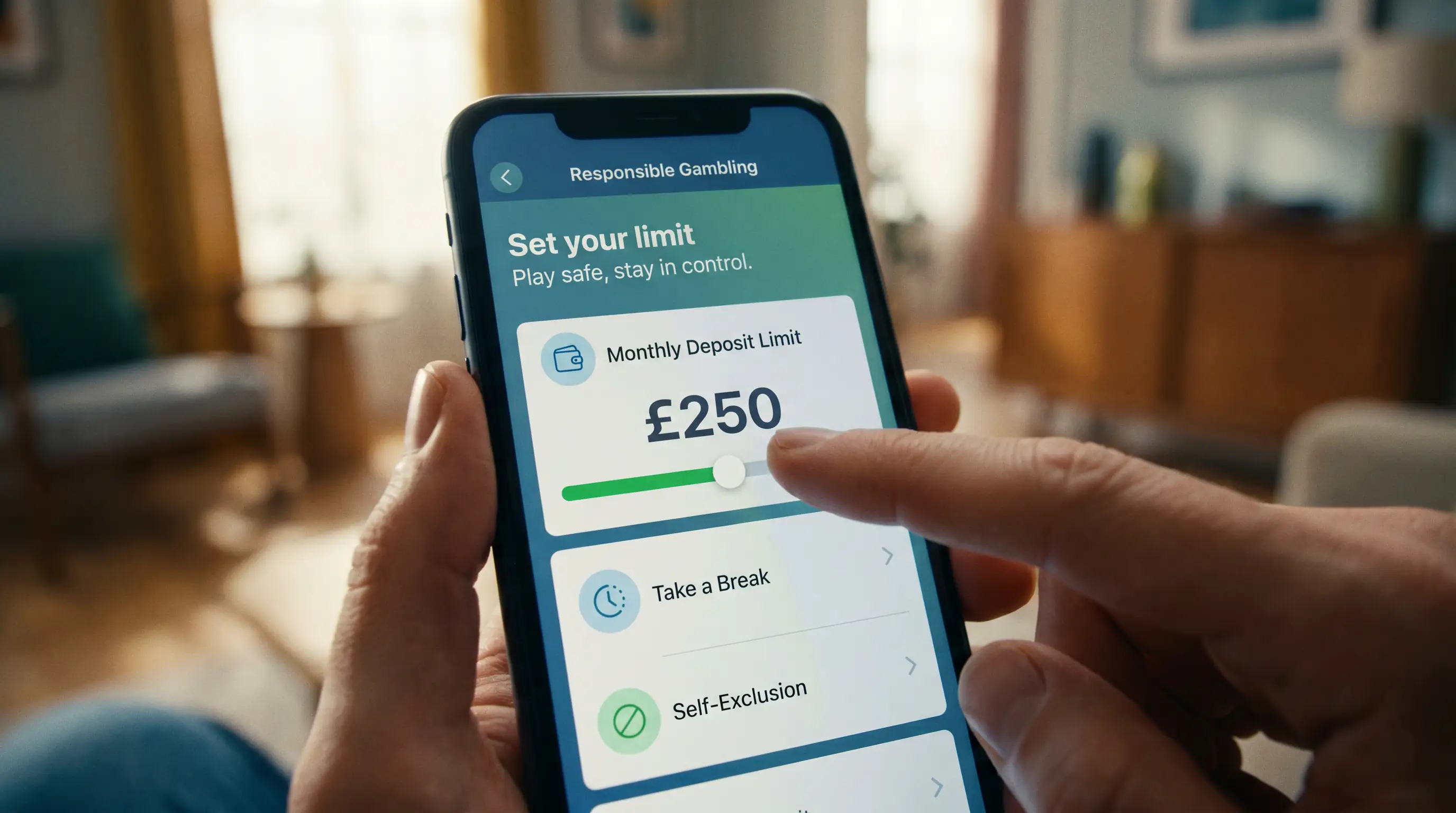
Responsible gambling is not a disclaimer bolted onto the bottom of a betting site. It’s a set of practical tools designed to keep your betting within boundaries you set when you’re thinking clearly, so those boundaries hold when you’re not. F1’s twenty-four-race calendar creates sustained exposure to betting opportunities from March to December, and the excitement of race weekends – safety cars, lead changes, last-lap drama – is precisely the emotional environment where discipline erodes. Building protective structures before the season starts is the approach that works.

Deposit Limits, Loss Limits and Session Controls
Every UKGC-licensed bookmaker is required to offer deposit limits – daily, weekly, and monthly caps on how much money you can transfer into your betting account. I use a monthly deposit limit set at the start of each season. The figure reflects my season bankroll divided by eleven months of racing. Once that limit is hit, the operator blocks further deposits until the period resets. No exceptions, no overrides. The 10% of UK adults who bet online on sport have access to these tools at every licensed operator, but activation rates remain far lower than they should be.
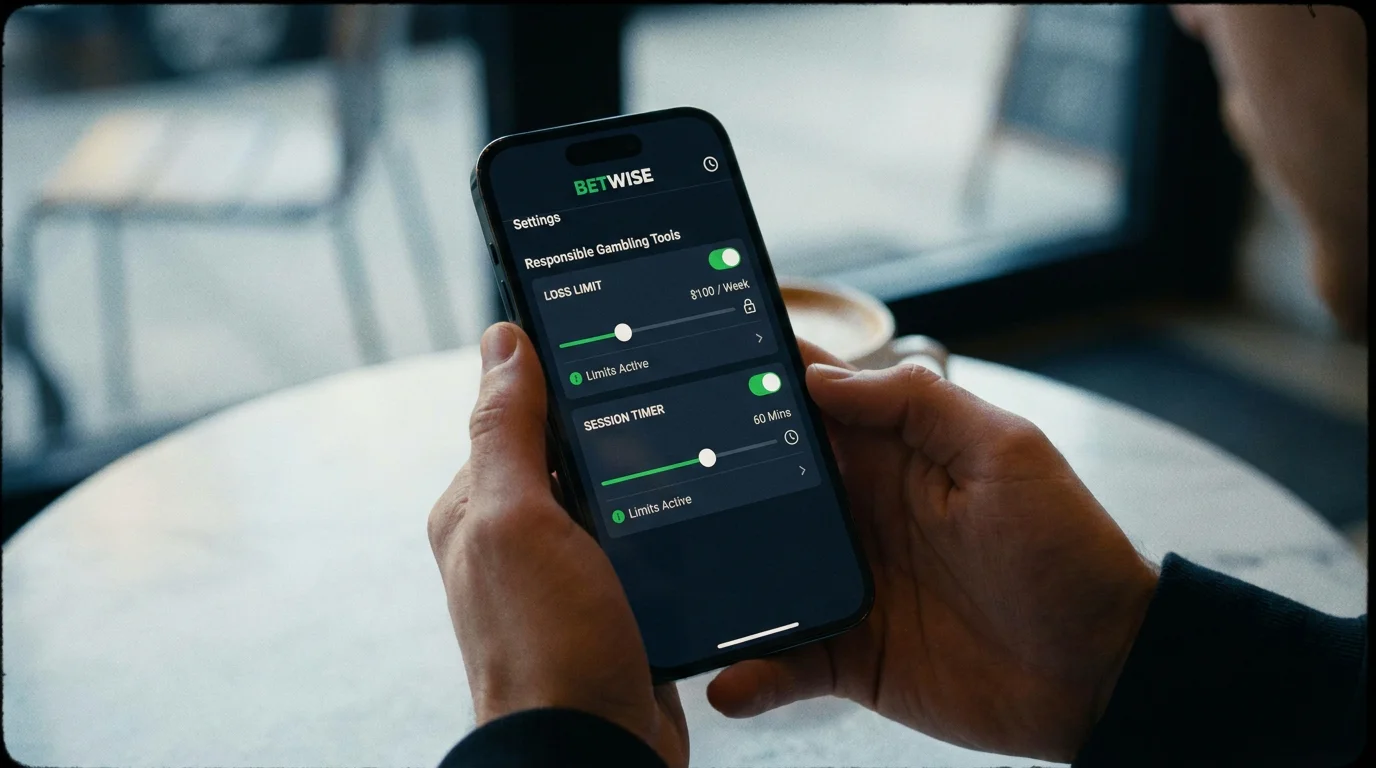
Loss limits work similarly but track net losses rather than deposits. If you deposit two hundred pounds and win back one hundred and fifty before losing it again, a deposit limit treats you as having deposited two hundred. A loss limit treats your net position as the reference point. I find loss limits less useful than deposit limits for F1 betting because the wins and losses are spaced across race weekends rather than occurring in rapid succession. But for punters who also bet on other sports or casino products within the same account, a loss limit provides an additional layer of protection.

Session time reminders alert you when you’ve been logged into the betting platform for a set period – typically one hour, though you can configure shorter intervals. During a race weekend, I keep my session reminder at ninety minutes, which covers qualifying or the race without interruption but prompts me to log out afterwards rather than drifting into speculative in-play bets on other sports. The reminder is easy to dismiss, which limits its effectiveness if you’re determined to keep going, but it creates a moment of conscious choice – and conscious choice is the mechanism that prevents impulsive behaviour.
GAMSTOP: The National Self-Exclusion Scheme
GAMSTOP is the UK’s national online self-exclusion scheme. Registering with GAMSTOP blocks you from all UKGC-licensed online gambling operators for a minimum of six months, with options for one year or five years. Once activated, no licensed UK operator will accept your custom for the duration of the exclusion period. The scheme covers all forms of online gambling, not just sports betting – casino, bingo, lottery, and poker are all included.
The strength of GAMSTOP is its comprehensiveness. Because all UKGC-licensed operators participate, there’s no loophole of switching to a different bookmaker. The weakness is its permanence within the exclusion period – even if you change your mind, the exclusion cannot be lifted early. That rigidity is deliberate and, in my view, correct. Self-exclusion is a decision made during a clear-headed moment to protect against future impulsive behaviour, and allowing early reversal would defeat the purpose.

Andrew Rhodes, the Gambling Commission’s Chief Executive, has described the regulatory goal as making Britain “the safest and fairest place to gamble in the world.” GAMSTOP is a practical expression of that goal. I’ve never activated it personally, but I respect its role in the ecosystem. Any punter who feels their betting is moving beyond entertainment and into compulsion should know that GAMSTOP exists, it’s free, and it works. No piece of F1 analysis, no matter how sharp, is worth compromising your financial or mental wellbeing.
Recognising When F1 Betting Stops Being Fun
The UK remote gambling sector generated £7.8 billion in gross gambling yield in the year to March 2025 – a figure that represents real money flowing from real people. The vast majority of that comes from recreational bettors who bet within their means. But a meaningful minority experience harm, and the signs are worth knowing even if you believe they don’t apply to you.
The warning signs I watch for in my own behaviour: betting to recover previous losses rather than because I’ve identified value; increasing stake sizes after losing weekends; feeling irritable or anxious when I can’t place a bet during a race; checking my betting account more than twice on a non-race day; and lying to anyone about the size of my bets or losses. None of these signs is conclusive on its own, but a cluster of two or more over a sustained period is a signal to step back and reassess.
F1’s race calendar creates natural breaks – a two-to-three-week gap between most races – that serve as built-in cooling-off periods. I use those gaps actively rather than passively: reviewing my season performance, recalculating my bankroll position, and honestly assessing whether my betting is enhancing my enjoyment of the sport or detracting from it. The question “am I enjoying this?” sounds simple, but answering it honestly after a losing stretch requires genuine self-awareness.
UK Support Resources and Where to Turn
If your gambling feels out of control, help is available. The National Gambling Helpline (0808 8020 133) provides confidential advice and support, available 24 hours a day. GamCare offers online chat, email support, and a network of face-to-face counselling services across the UK. The Gordon Moody Association runs residential treatment programmes for severe gambling addiction.
The statutory gambling levy introduced in October 2025 ensures that a mandatory percentage of operators’ gross gambling yield funds research, prevention, and treatment of gambling-related harm. This levy replaced the previous voluntary donation system, which was inconsistently funded. The practical effect for punters is that the support infrastructure is now better resourced than at any point in UK gambling history.
I mention these resources not as a formality but as an analyst who has seen sharp, intelligent people develop unhealthy relationships with betting. Intelligence doesn’t protect against compulsion. Analytical skill doesn’t prevent chasing losses. The tools – deposit limits, loss limits, GAMSTOP, helplines – exist because even disciplined people need structural support. Using them is a sign of strength, not weakness, and the mobile apps you bet through should make these tools accessible within a few taps of the home screen.
How do I set a deposit limit for F1 betting at a UK bookmaker?
Log into your betting account, navigate to the responsible gambling or account settings section, and select deposit limits. You can set daily, weekly, or monthly caps. The limit takes effect immediately for reductions but may require a cooling-off period to increase. Every UKGC-licensed operator is required to offer this feature.
What is GAMSTOP and does it cover all UK betting sites?
GAMSTOP is the UK national self-exclusion scheme that blocks you from all UKGC-licensed online gambling operators for a minimum of six months. All licensed UK operators participate. Registration is free and can be done online. The exclusion cannot be reversed before the selected period expires.
Can I temporarily exclude myself from F1 betting without using GAMSTOP?
Yes. Most individual bookmakers offer their own self-exclusion tools that let you block your account for a set period, typically 24 hours to six months. These apply only to that specific operator, unlike GAMSTOP which covers all licensed sites. You can also use time-out features for shorter cooling-off periods.
Written by the editors at f1 Betting.