Every F1 Betting Market Available in the UK: From Race Winner to Pit-Stop Props
 Available in US
When I started covering F1 betting seven years ago, the menu was thin. You could back a race winner, maybe take an outright on the championship and — if you were lucky — find a fastest lap market at a couple of bookmakers. The sport that generates roughly 700 data points per second from each of its 20 cars had almost nothing to show for it on a betting slip. That picture has transformed. Mark Wrigley, F1’s Head of Betting, put it plainly when he described surveying the fanbase to understand what they actually want to engage with — the ambition being to offer something meaningful rather than throwing everything at the wall.
The result is a market catalogue that now stretches from straightforward race winner bets through to micro-markets on pit-stop timing and safety car deployments. This guide maps out every F1 betting market currently available to UK punters, organised by when and how you can access them. Treat it as a reference — not every market suits every punter, but knowing what exists is the first step toward finding the ones that match your analytical strengths.
Table of Contents
- Pre-Race Markets: What You Can Bet on Before Lights Out
- Qualifying and Practice Session Markets
- Championship Outrights: Drivers’ and Constructors’ Titles
- Head-to-Head and Group Betting
- Sprint Race Markets: How Saturday Changes the Menu
- Specials and Prop Bets: Safety Car, DNF and Beyond
- When Each-Way Makes Sense in F1
- Markets FAQ
Pre-Race Markets: What You Can Bet on Before Lights Out
Pre-race markets open days before the first practice session and close at lights out on Sunday. They give you the full weekend to gather information and commit when your analysis is sharpest. The three pillars below — race winner, podium and fastest lap — account for the vast majority of F1 betting volume, and with good reason: they are the easiest to research, the most consistently priced across bookmakers and the most straightforward to settle.
Race Winner
The race winner market is the flagship. You pick the driver who crosses the line first, and your bet settles on the official FIA classification. In a typical race, two to four drivers carry realistic winning chances, reflected in single-digit decimal odds. The rest of the 20-driver field sits at double or triple figures. The width of this market — 20 possible outcomes rather than two or three — creates pricing inefficiencies that rarely exist in football or tennis. A midfield driver in the right conditions (wet weather, safety car chaos, front-runner DNFs) can win at 40/1 or higher. These are rare events, but their payouts compensate for the low strike rate over a 24-race season.
Settlement follows the official podium ceremony result in most cases, though some bookmakers specify that post-race penalties applied within a set window can alter settlement. Always check your operator’s specific rules. If a driver finishes first on track but is later disqualified, the runner-up typically becomes the winner for betting purposes.

Podium Finish and Top-Six Finish
Podium finish markets ask whether a named driver will finish in the top three. The appeal is a higher strike rate than race winner: backing a strong midfield car for a podium is a far more realistic proposition than backing them to win. Top-six finish markets extend the logic further, covering positions one through six. The odds are shorter, naturally, but the probability of collecting is meaningfully higher. I find these markets particularly useful at circuits that tend toward attrition — a track with a 40% historical safety car rate puts more drivers in podium contention than a procession track where the grid order holds from start to finish.
Some bookmakers offer podium finish as a standalone market; others fold it into the each-way terms on their race winner market (typically paying top three at a fraction of the win odds). The distinction matters for how your returns are calculated, so confirm which format your bookmaker uses before placing.
Fastest Lap and Pole Position
Fastest lap betting has become far more interesting since F1 introduced the bonus championship point for the fastest lap (awarded only if the driver finishes in the top ten). That rule change means teams actively pursue fastest lap in the closing stages of a race, often pitting a comfortably-placed driver for fresh tyres specifically to set the fastest time. This creates a market where strategy and team orders matter as much as raw pace. A driver sitting in eighth with a ten-second gap to ninth is a prime candidate for a late-race fastest lap attempt — something you can identify from the live timing data during the race itself.
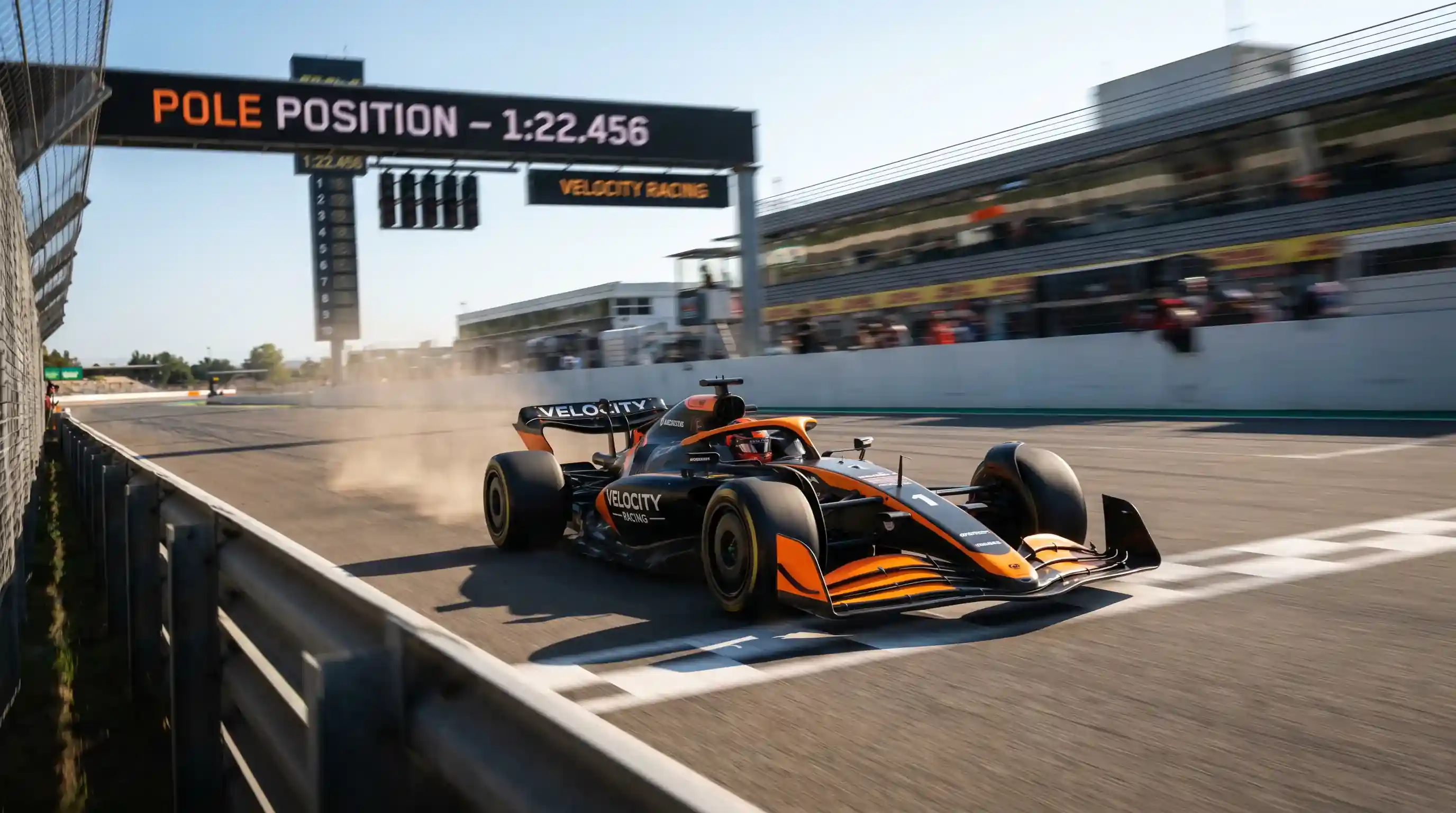
Pole position is simpler: you are betting on which driver tops qualifying. Settlement is based on the qualifying classification, not the race-day starting grid — so grid penalties applied after qualifying do not affect the outcome. This is a crucial distinction. A driver can “win” the pole position market and still start the race from fifth because of an engine penalty accrued elsewhere. Pole markets close before qualifying begins, making Friday and Saturday practice data your primary analytical tool.
Qualifying and Practice Session Markets
Most punters overlook qualifying markets entirely, which is precisely why I gravitate toward them. The audience for live qualifying sessions has grown by 22.8% year on year, meaning more eyeballs on Saturday sessions than ever before — but betting volumes have not kept pace. That mismatch between audience interest and market maturity creates soft pricing.
Beyond pole position, qualifying markets include Q1 elimination bets (which five drivers are knocked out in the first session), qualifying match bets (driver A versus driver B for qualifying position), and top-three qualifying. The Q1 elimination market is particularly ripe for analysis because it rewards deep knowledge of the grid’s tail end. If you follow the lower-midfield teams closely enough to know who is carrying engine penalties, running experimental setups or struggling with a specific circuit layout, you can identify likely Q1 casualties before the session starts.
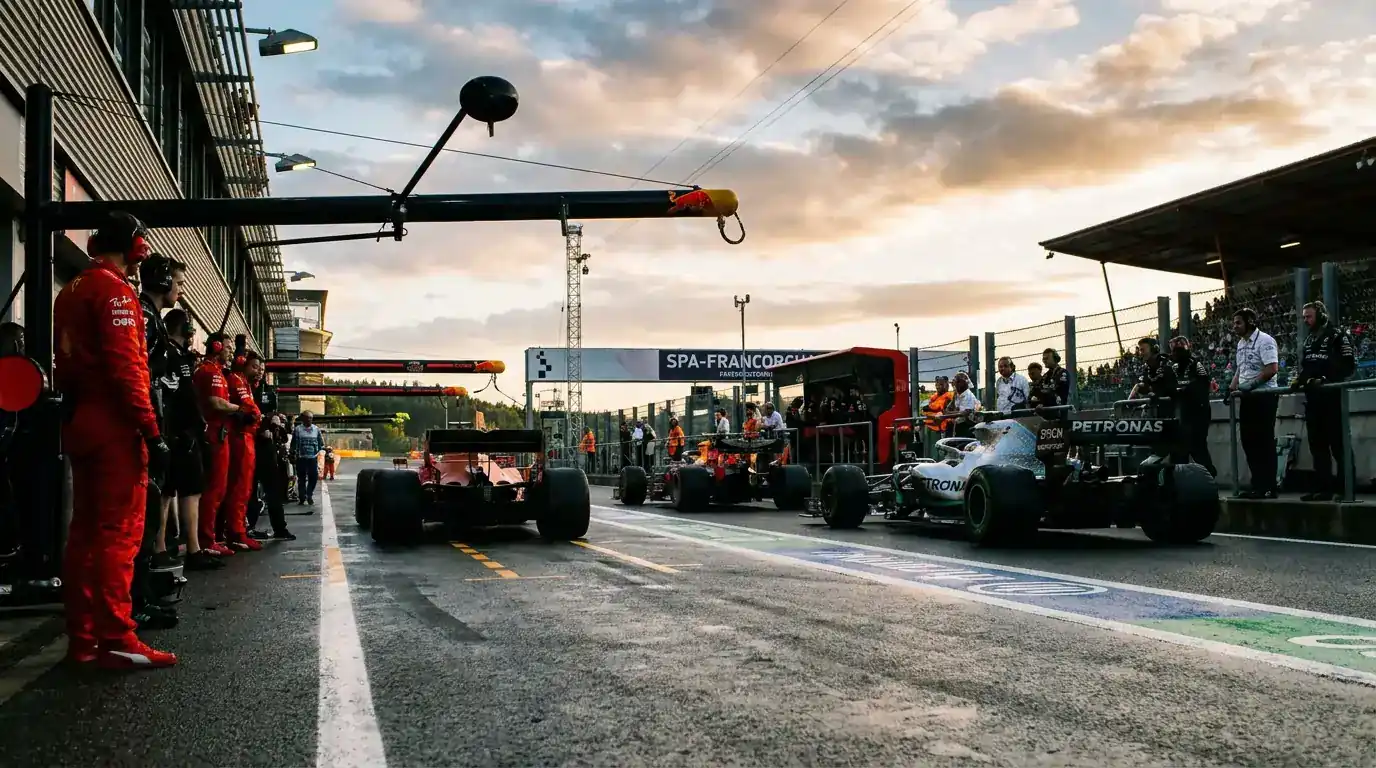
Practice session betting is rarer but emerging. A handful of bookmakers now offer markets on FP1 and FP2 fastest times, though liquidity is thin and pricing reflects the novelty. The value of practice sessions for betting is less about the markets themselves and more about the data they produce — long-run pace on race simulations, tyre degradation curves and setup direction all feed directly into smarter qualifying and race bets. Live viewership of practice sessions has jumped by 24.9% year on year, and as that audience grows, expect practice-specific markets to follow.
Championship Outrights: Drivers’ and Constructors’ Titles
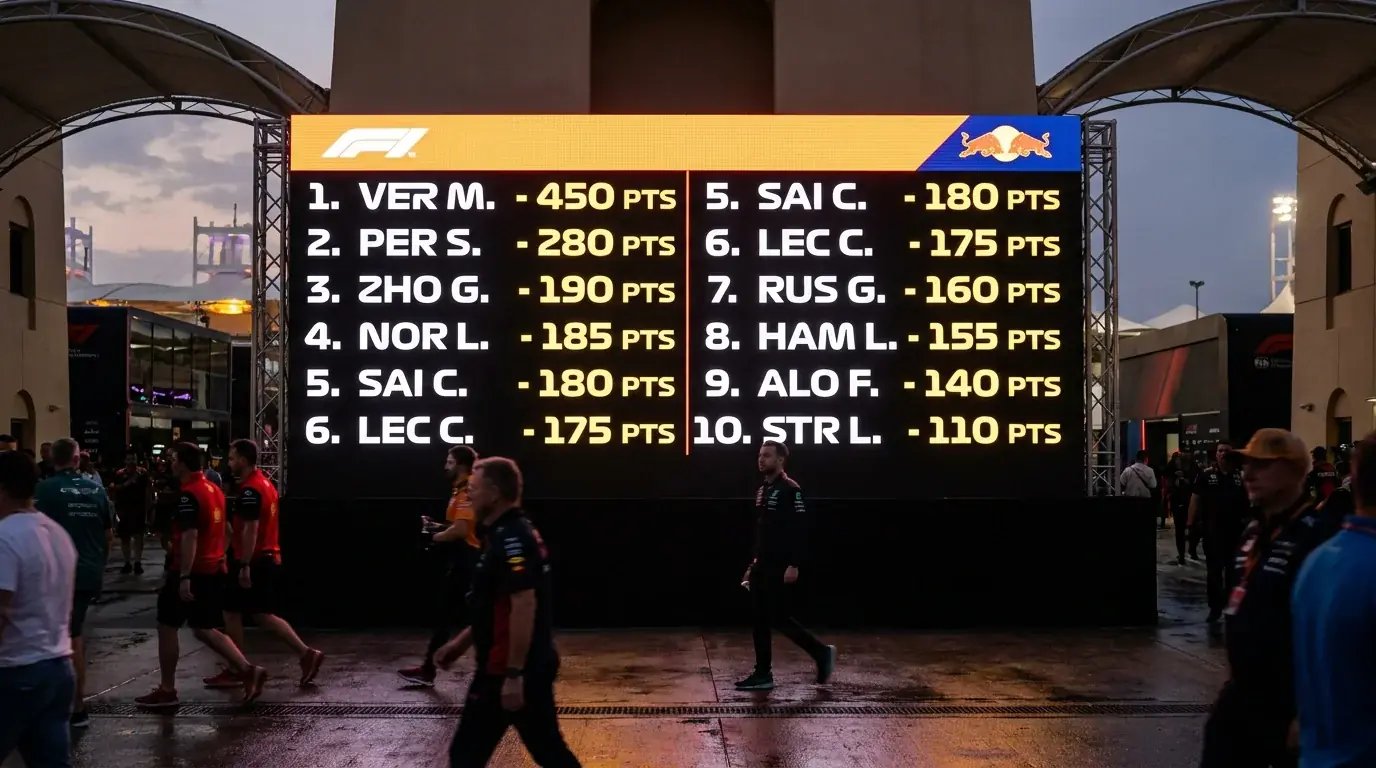
I once locked in a championship outright at 12.00 before the season started and watched it drift to 3.50 by round eight. That single bet returned more profit than any individual race bet I placed that year, and it required one decision in February rather than twenty-four decisions across the calendar. Outright markets — betting on who will win the Drivers’ Championship or the Constructors’ Championship at season’s end — are the highest-conviction, longest-horizon bets available in F1.
The Drivers’ Championship outright typically opens in the off-season, as soon as team line-ups and car launch details begin to emerge. Early-season prices carry the most uncertainty and therefore the widest range. A team that dominated testing might sit at 2.50 while a potential dark horse lingers at 25.00. As the season progresses and results narrow the field, prices compress — the favourite shortens and eliminated contenders drift toward triple-figure odds. The skill is timing: enter too early and you are guessing; enter too late and the value has evaporated.
Constructors’ Championship markets add a layer of complexity. You are betting on the combined performance of two drivers, which means a team with one elite driver and one underperformer scores differently from a team with two consistent points finishers. This dynamic occasionally creates value when the market overweights one driver’s results and underweights the team’s overall depth. With 827 million fans worldwide and a UK fanbase of 16.7 million, the championship outrights attract the highest public interest — and therefore the most liquid pricing — of any F1 market.
Ante-post rules apply to most outright markets. If your selected driver leaves the sport or switches teams mid-season, most bookmakers void the bet rather than settling it as a loss, though terms vary. Some operators offer “non-runner no bet” protection on outrights; others do not. Checking settlement rules before placing a season-long bet is non-negotiable, because a voided bet ties up your bankroll for months without any return.
Head-to-Head and Group Betting
Which driver finishes higher: Norris or Piastri? That is a head-to-head bet in its simplest form — two named drivers, one market, whoever finishes ahead wins. No need to predict the race winner, the podium or even the top ten. Just one driver beating another in the final classification.
Head-to-head markets come in two varieties: teammate duels and cross-team matchups. Teammate duels are the most popular because the cars are identical (in theory), isolating driver skill, strategy calls and race-day execution as the differentiating factors. Cross-team matchups pair drivers from different constructors and add car performance as a variable — these carry more uncertainty and therefore wider odds, which can mean more value if your analysis accounts for the relative car performance gap.
Settlement rules for head-to-heads vary critically when one or both drivers retire. Some bookmakers void the bet if either driver fails to complete the race. Others settle on whoever completed more laps. A few settle only if both drivers are classified finishers. I have seen disputes over this specific rule more than any other in F1 betting, so read the terms before you place. The 2025 season saw record attendance across all 24 rounds with 6.7 million spectators and 19 sold-out events — meaning more unpredictability, more incidents and more retirement scenarios that trigger these settlement edge cases.
Group betting extends the head-to-head concept to three or four drivers. You pick which one finishes highest among the named group. This format is useful when the bookmaker clusters drivers from similar-performing teams and offers one at a standout price. If the market prices three midfield drivers at roughly even odds but your qualifying analysis gives one a clear advantage, a group bet lets you isolate that edge without exposing yourself to the full 20-driver race winner market.
Sprint Race Markets: How Saturday Changes the Menu
Sprint weekends compress the entire betting menu into a tighter window and add an extra race on Saturday. The sprint is roughly one-third of a full Grand Prix distance — around 100 kilometres — with no mandatory pit stop. That changes the market dynamics in two key ways. First, fewer laps mean fewer opportunities for strategy to override grid position, so qualifying pace carries more predictive weight in sprint markets than in Sunday race markets. Second, the absence of a compulsory pit stop removes a major variable: there is no undercut, no overcut, no tyre compound gamble.
Sprint-specific markets typically include sprint winner, sprint top three, sprint head-to-heads and sprint fastest lap. The odds are generally shorter than their Sunday equivalents because the reduced distance compresses outcomes — fewer laps means less time for chaos to intervene, which favours the frontrunners. Sprint weekends now feature at six rounds per season, giving punters a meaningful sample of this distinct format across the calendar.
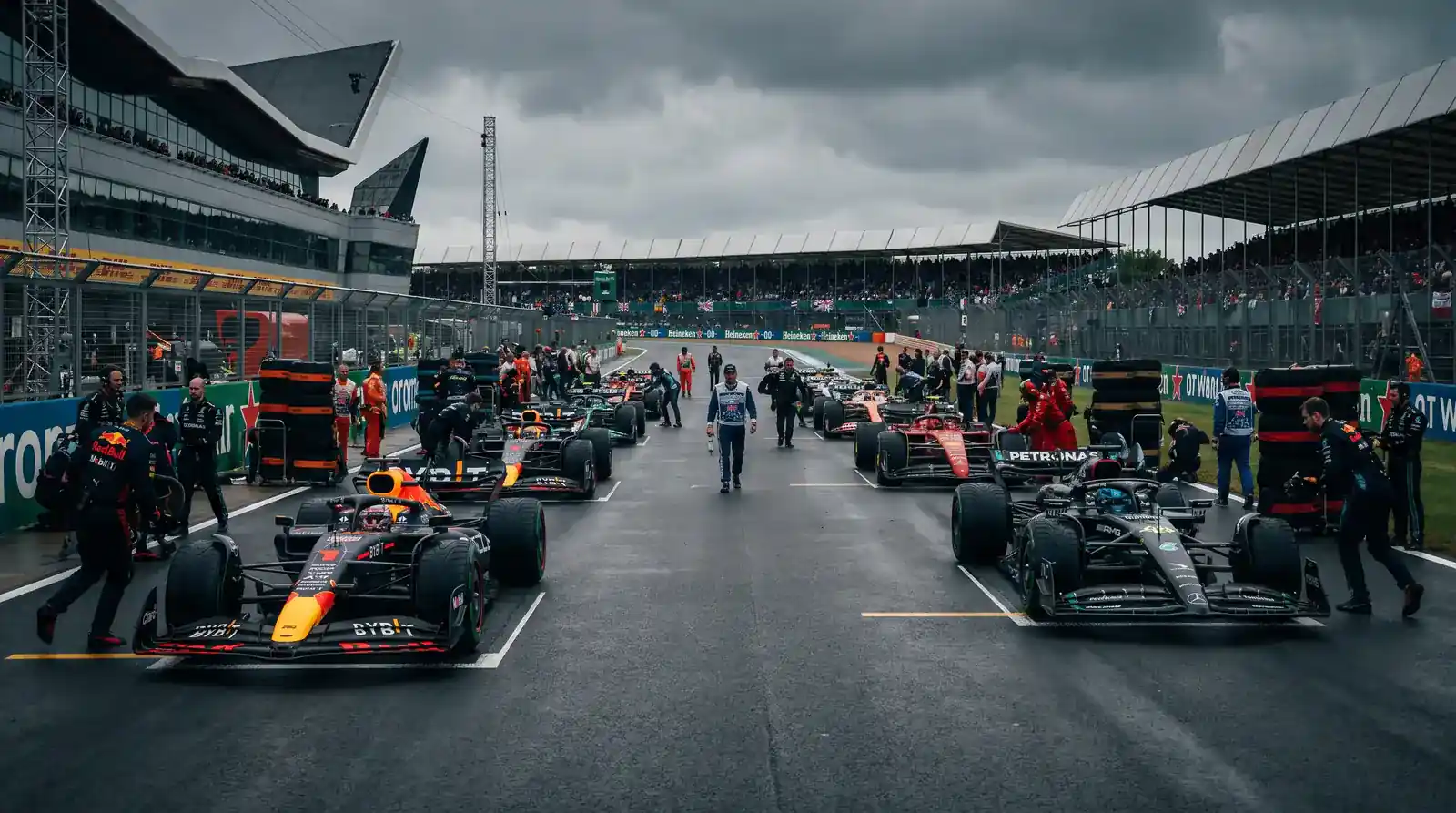
The tactical consideration for sprint betting is that Saturday’s sprint result feeds directly into Sunday’s grid. A driver who crashes out of the sprint starts the main race from the pit lane, drastically altering Sunday’s market. This creates a two-stage analytical chain: your sprint bet should inform your Sunday race bet, and your pre-weekend research needs to account for both events. I treat sprint weekends as two separate analytical exercises rather than one elongated race weekend — the data requirements and market dynamics are distinct enough to demand that separation.
Specials and Prop Bets: Safety Car, DNF and Beyond
The fringe of the F1 betting menu is where things get genuinely interesting — and genuinely dangerous if you do not understand what you are pricing. Specials and prop markets cover events that sit outside standard race classification: safety car deployment (yes/no, over/under a set number), total retirements, first driver to retire, number of pit stops for a named driver and even whether a red flag will be shown.
Safety car markets have become one of the fastest-growing F1 prop categories. The telemetry data feeding into modern bookmaker models can now estimate safety car probabilities with increasing sophistication, drawing on real-time car performance data across the entire grid. Jonny Haworth, F1’s Director of Commercial Partnerships, highlighted the potential of the 2026 season specifically — with major regulation changes set to create uncertainty on track, the jeopardy that makes prop markets compelling is baked into the calendar itself.
DNF (Did Not Finish) markets are another growing segment. You can bet on the total number of retirements in a race, which driver will be first to retire or whether a specific driver will fail to finish. These markets reward research into team reliability patterns. Power unit limitations mean each driver has a finite allocation of engine components per season; as the season progresses and components accumulate mileage, mechanical DNF probabilities rise — especially for teams running older-specification parts. If you track component usage across the grid, you hold an informational advantage that most casual punters lack.
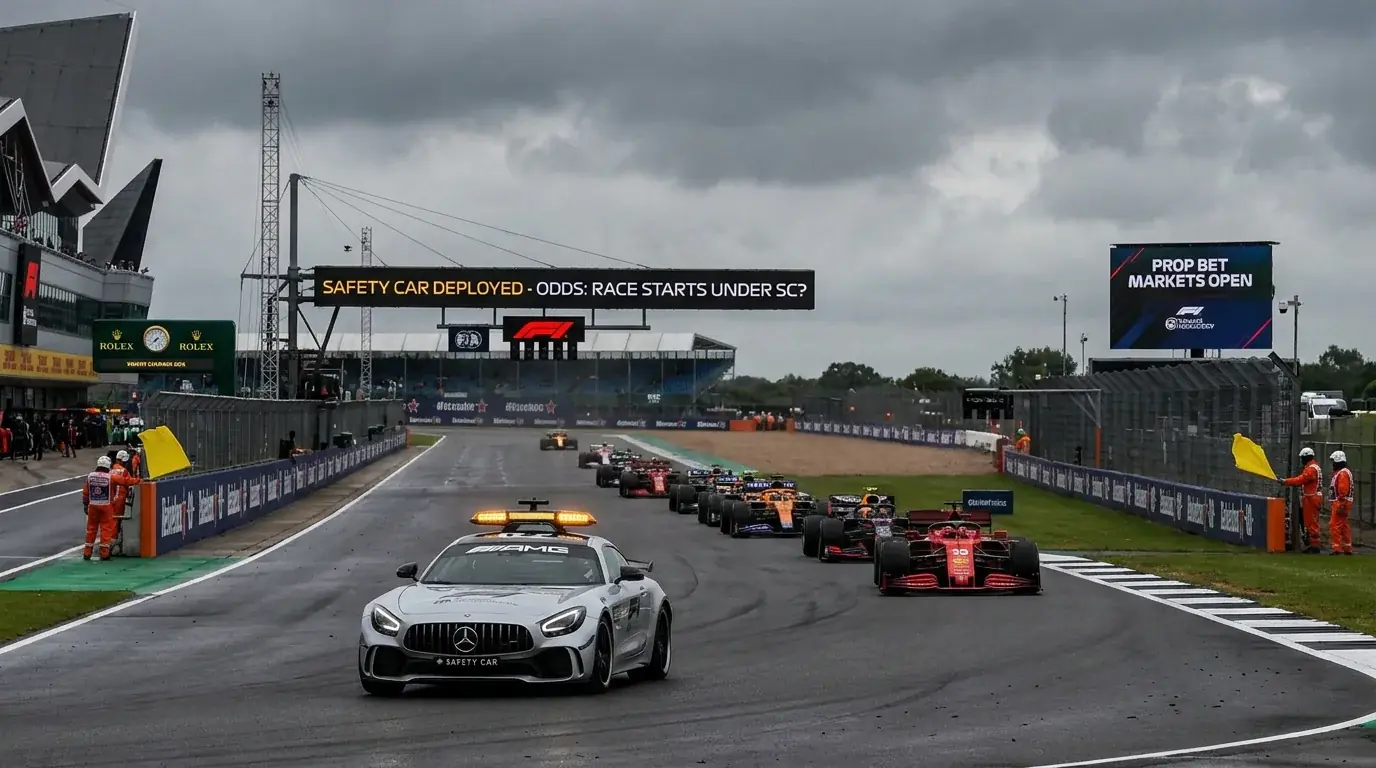
The catch with all specials is the overround. Bookmakers price these niche markets with wider margins than mainstream markets, because lower volume gives them less data to refine their models and more reason to protect themselves. A safety car yes/no market might carry an overround of 130-140%, compared to 115-120% on race winner. The value threshold is therefore higher — you need a bigger edge to overcome the bigger margin.
When Each-Way Makes Sense in F1
Each-way betting is essentially two bets in one: a win bet and a place bet. If your driver wins, both halves pay out. If they finish in the top three (the standard F1 place terms), the place half pays at a fraction of the win odds — typically one-quarter or one-fifth. Your total stake is doubled because you are placing two bets, which means the break-even calculation changes significantly compared to a straight win bet.
Each-way makes most sense in F1 when you are backing a driver at longer odds who has a realistic podium chance but is unlikely to win. A midfield runner priced at 20/1 with top-three place terms at one-quarter odds gives you a place return of 5/1 — a profitable outcome even if they finish third rather than first. The maths tilts against each-way when you back short-priced favourites: an each-way bet on the 2/1 favourite doubles your stake for a place return of 1/2, which barely covers the extra outlay. For a full breakdown of when each-way delivers better expected value than a win-only bet, including specific place-term comparisons across UK bookmakers, my each-way betting guide works through the calculations step by step.
The place terms offered vary between operators and sometimes between races, so checking before every Grand Prix is essential. Some bookmakers extend to top four or top five for selected races, which fundamentally shifts the value proposition of an each-way punt. Watch for these promotions around high-profile events like the British Grand Prix, where bookmakers compete for attention with enhanced place terms.
Markets FAQ
Which F1 betting market has the best odds for beginners?
Podium finish and head-to-head markets are the most beginner-friendly. Podium bets have a higher strike rate than race winner because three positions pay out instead of one. Head-to-heads simplify the field to just two drivers, removing the need to assess the full 20-driver grid. Both markets are widely available at UK bookmakers and settle on straightforward criteria.
Can I bet on F1 practice sessions?
A small number of bookmakers now offer markets on FP1 and FP2 fastest times, though availability is limited and liquidity tends to be low. The primary betting value of practice sessions lies in the data they generate — long-run pace, tyre degradation and setup direction — which feeds directly into smarter qualifying and race bets rather than standalone practice markets.
What happens to my bet if a driver is disqualified after the race?
Most UK bookmakers settle F1 bets based on the official FIA classification, which includes post-race penalties and disqualifications applied within a defined window (usually 24 to 48 hours). If the winner is disqualified, the runner-up typically becomes the winner for settlement purposes. However, rules vary between operators, so checking your bookmaker’s specific F1 settlement terms before placing is essential.
Are F1 sprint race markets different from main race markets?
Yes. Sprint markets cover a shorter race distance with no mandatory pit stop, which compresses outcomes and generally produces shorter odds on favourites. Sprint-specific markets include sprint winner, sprint top three and sprint head-to-heads. The reduced distance means grid position carries more weight than tyre strategy, making qualifying pace a stronger predictor for sprint markets than for the full-length Sunday race.
Created by the ”f1 Betting” editorial team.